Editor’s PickCompliance·20 Nov 2026·4 min·Plastic, Metal, E-Waste, Tyre
New CBIC notifications mandate 2% GST TDS and reverse charge on scrap purchases, with the first return due by 10 December 2026.

Editor’s PickCompliance·20 Nov 2026·3 min·E-Waste, White Goods
The CPCB has ordered states to audit more than 2,000 recyclers, including 309 e-waste units, after fake compliance certificates surfaced. Forged documents will now count as a major violation, and a unit caught with them can be blocked from issuing EPR certificates.

Compliance·19 Nov 2026·2 min
Industry Trends·13 Nov 2026·2 min·Metal, Ferrous, Non-Ferrous
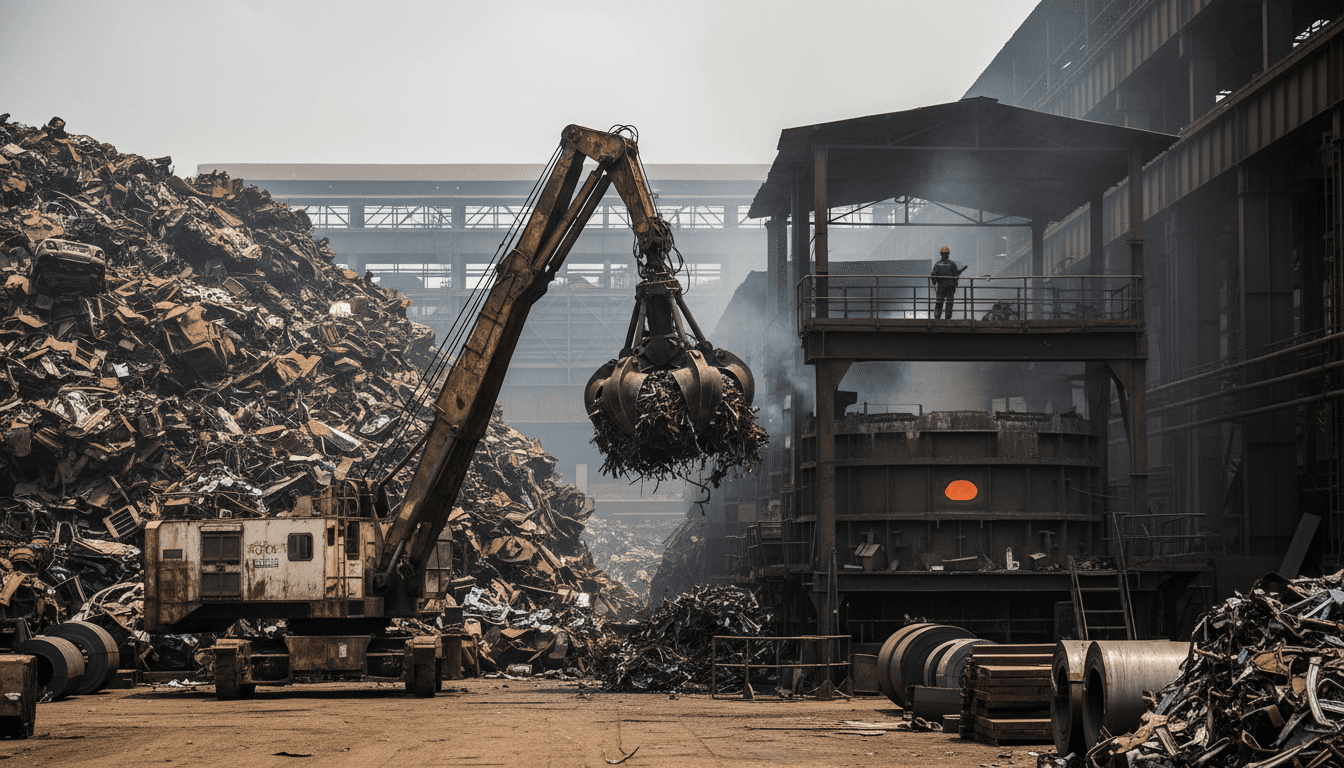
Carbon border payments and reduced quotas push outbound shipments down, turning domestic scrap into prime raw material.
Compliance·12 Nov 2026·5 min·E-Waste
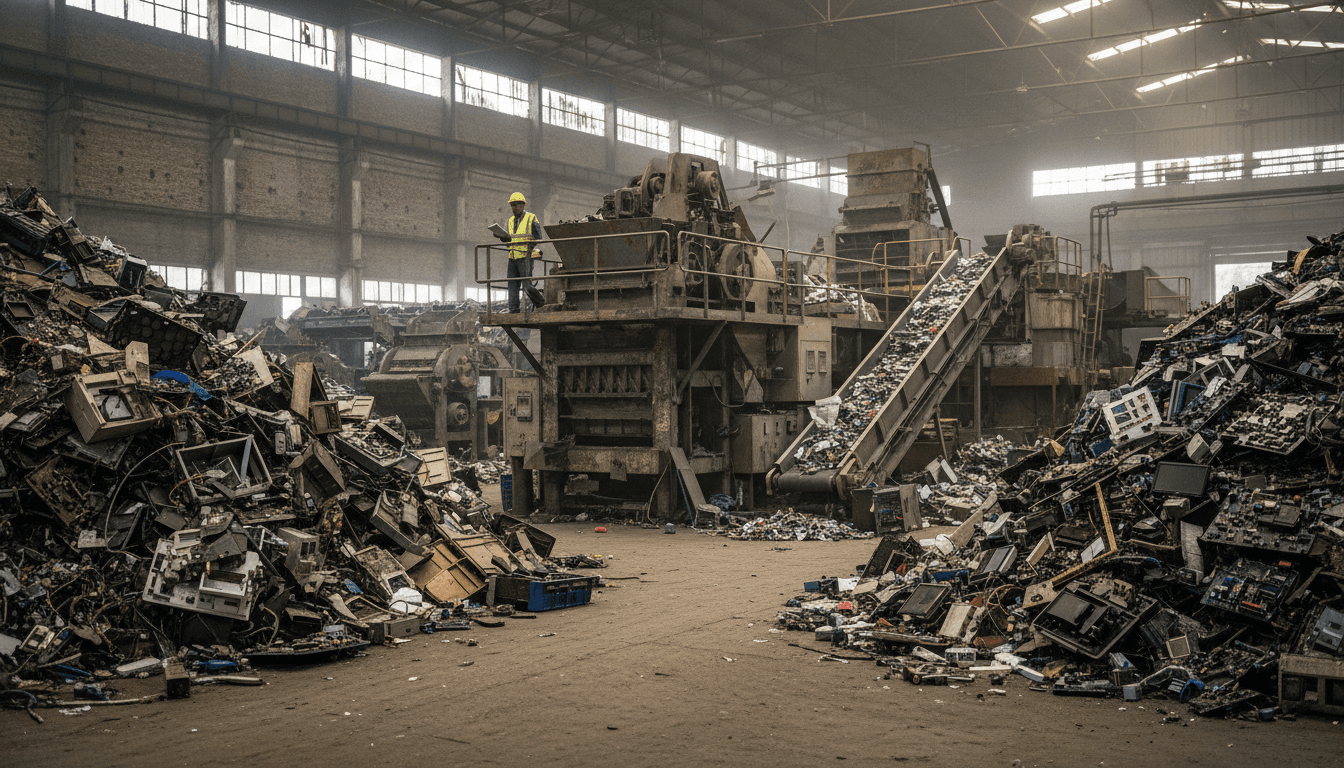
Electronics giants challenge CPCB price controls in court as statutory recycling targets climb to 70 percent.
Compliance·12 Nov 2026·4 min·Plastic
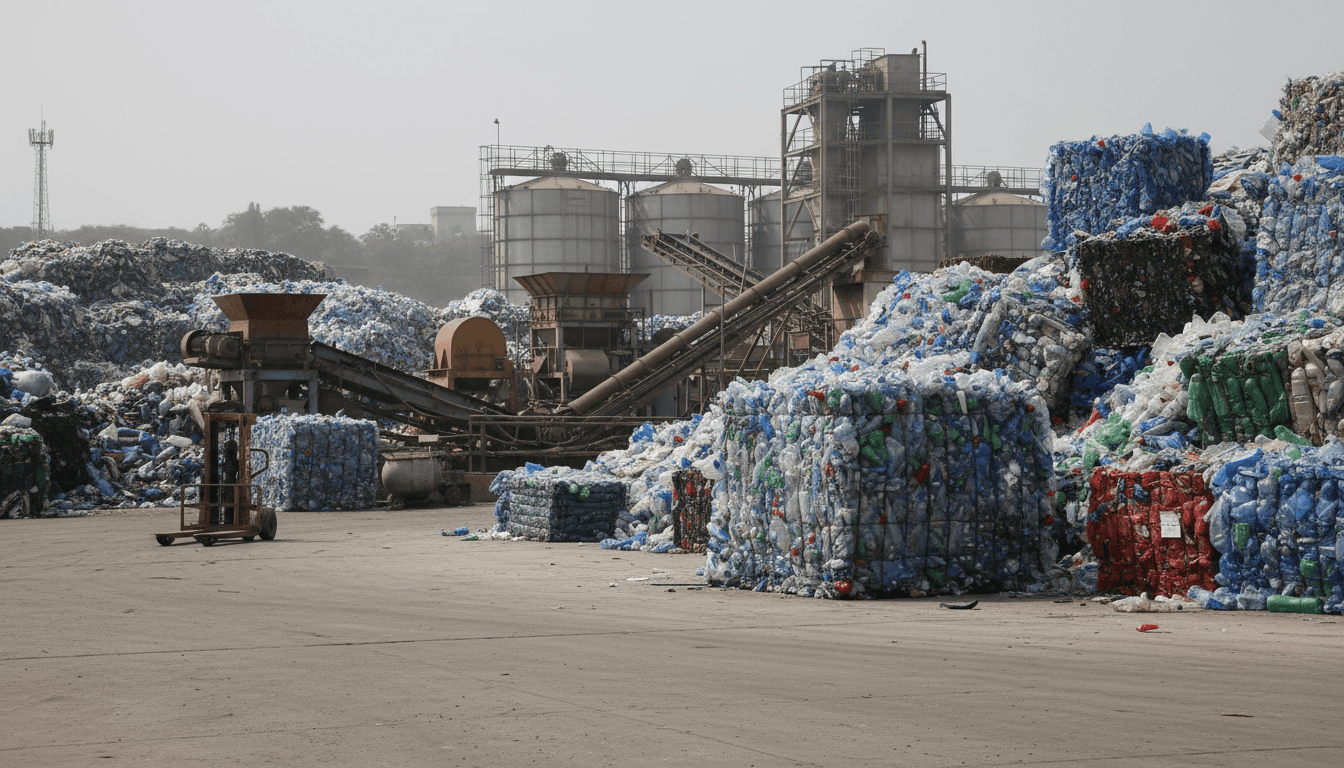
MoEFCC amended rules lift Category I targets while deferring food-contact obligations across three consecutive years.
Compliance·12 Nov 2026·2 min·Plastic
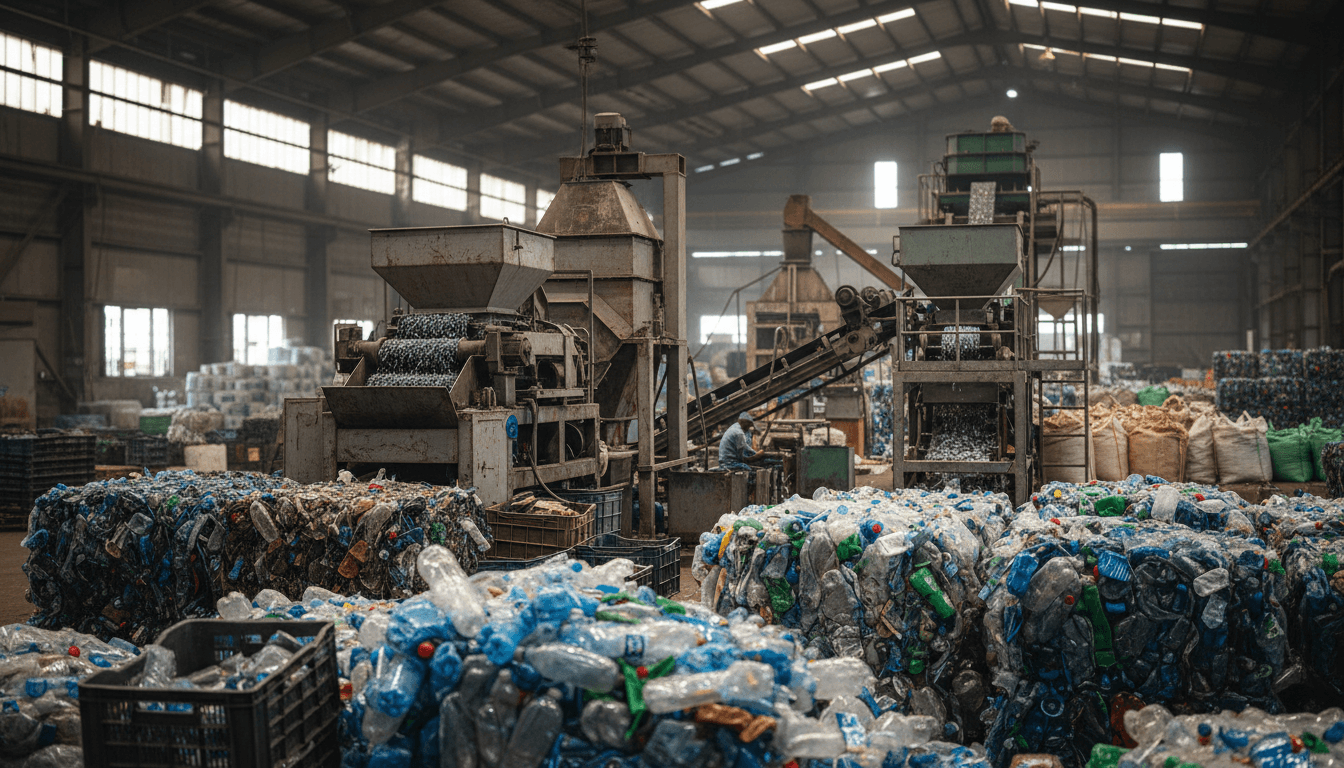
MoEFCC raises Category I mandates while excluding imported packaging credits and setting food-contact carry-forward terms.
Compliance·11 Nov 2026·4 min·E-Waste
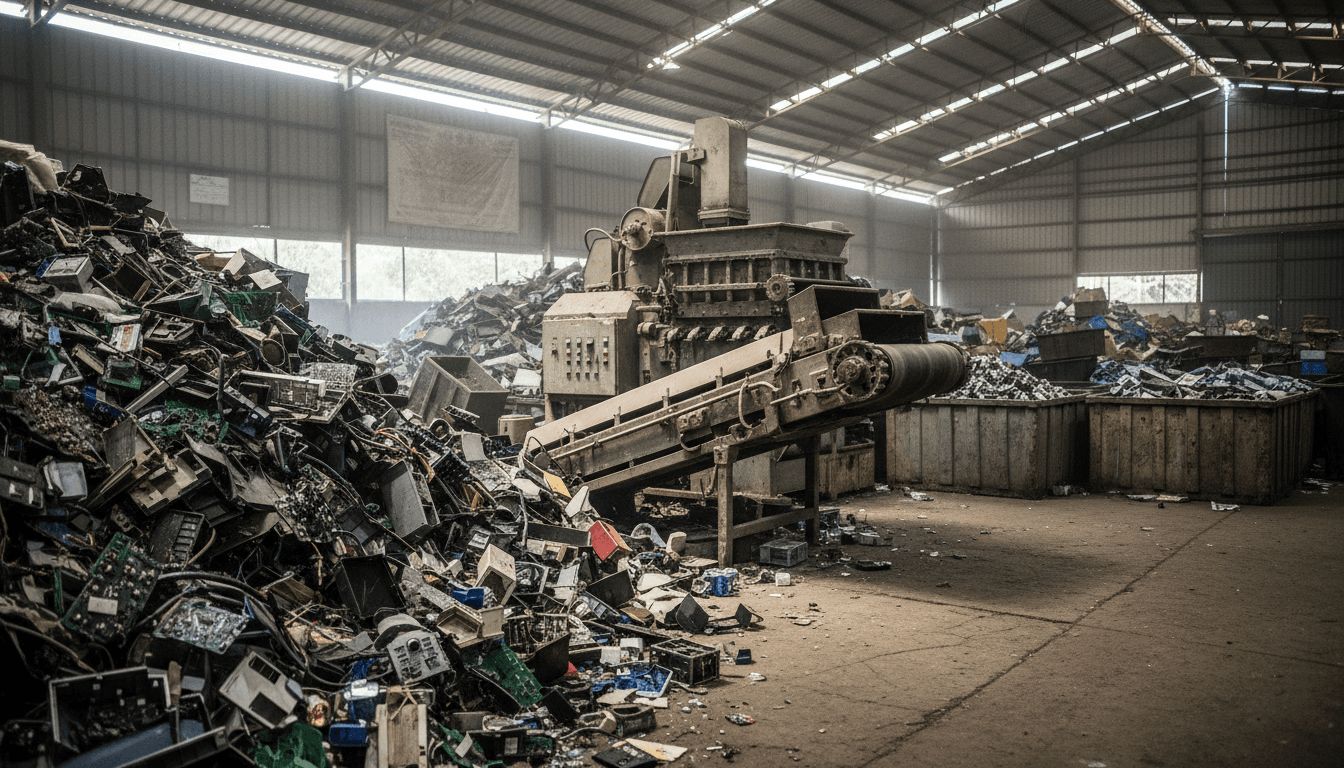
Electronics brands face escalating recycling quotas while legal challenges against mandatory certificate price floors remain unresolved in court.
Compliance·11 Nov 2026·1 min·Plastic
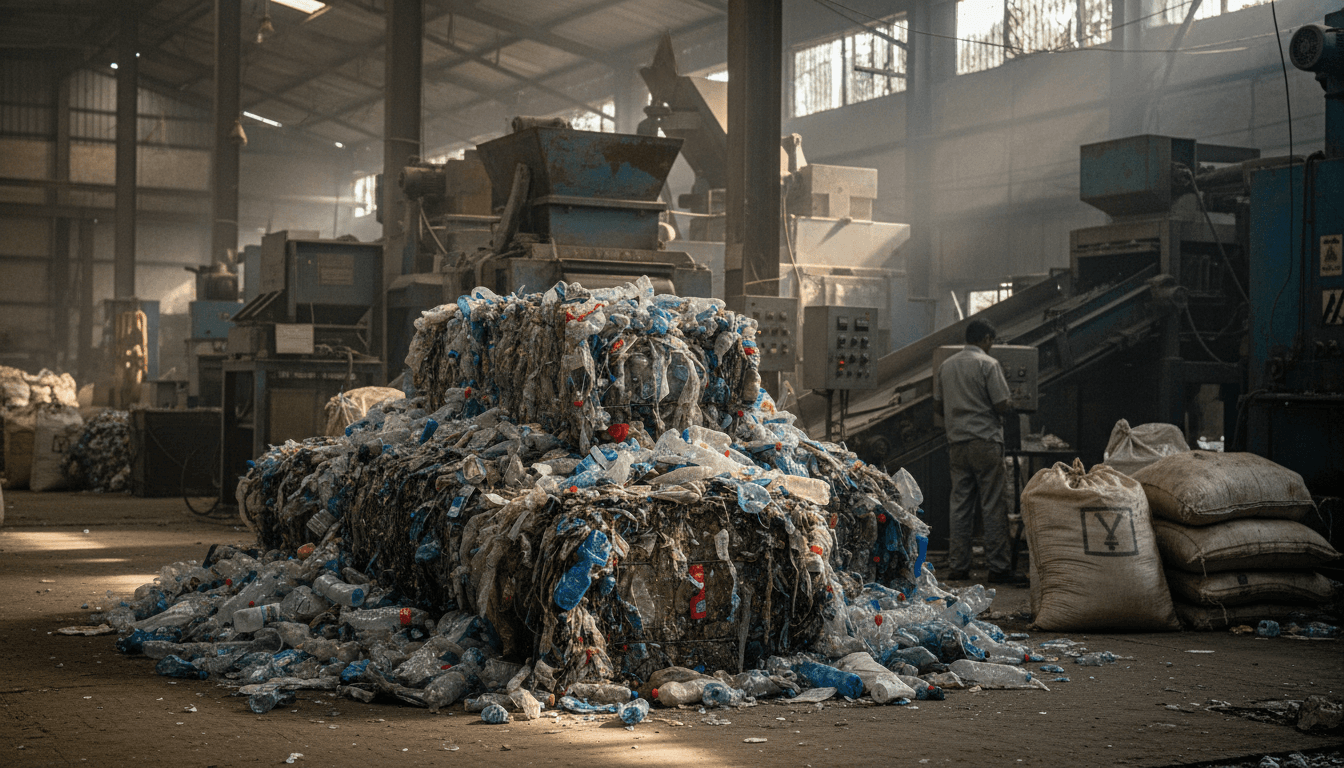
New CBIC notifications extend the tax model previously used for metal scrap to plastic waste.
Compliance·11 Nov 2026·2 min·Plastic
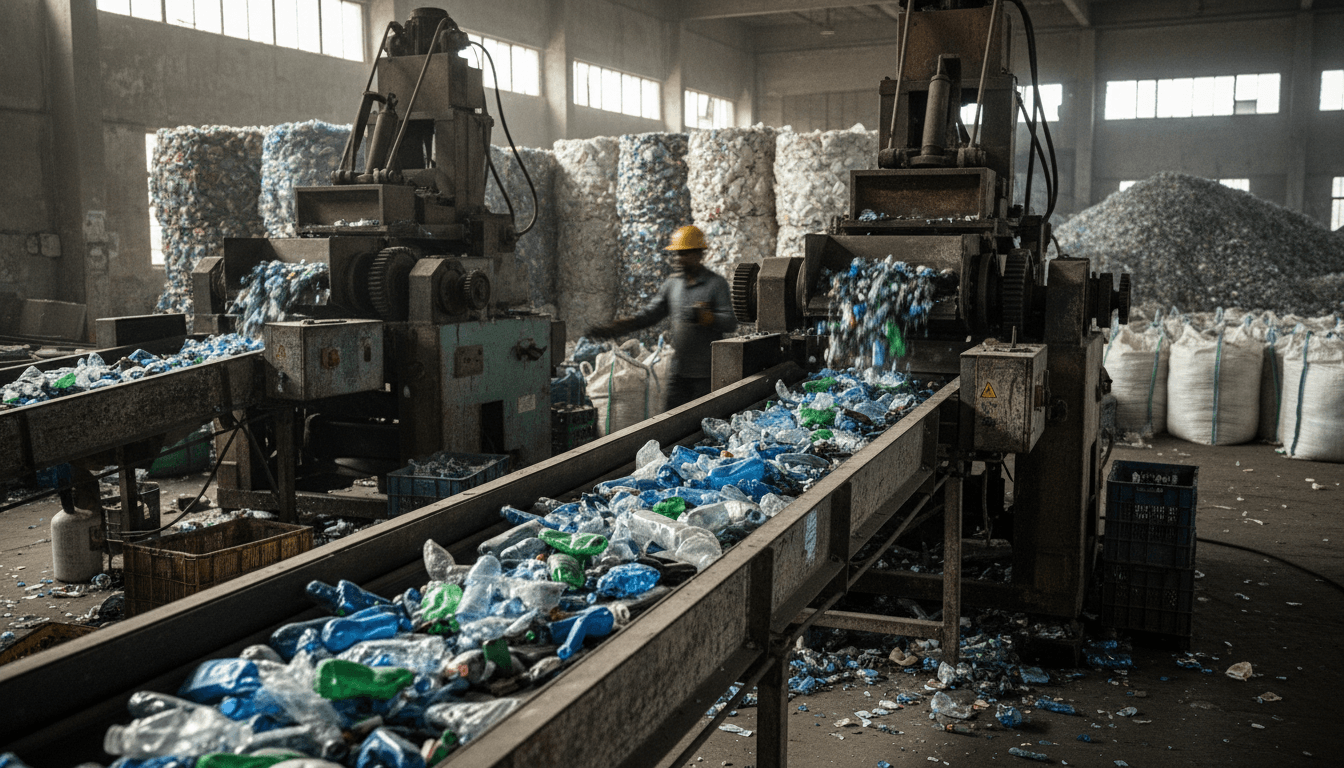
Notification G.S.R. 237(E) establishes mandatory recycled plastic content targets for packaging while restricting imported credit claims.
Editor’s PickCompliance·8 Nov 2026·9 min·Plastic
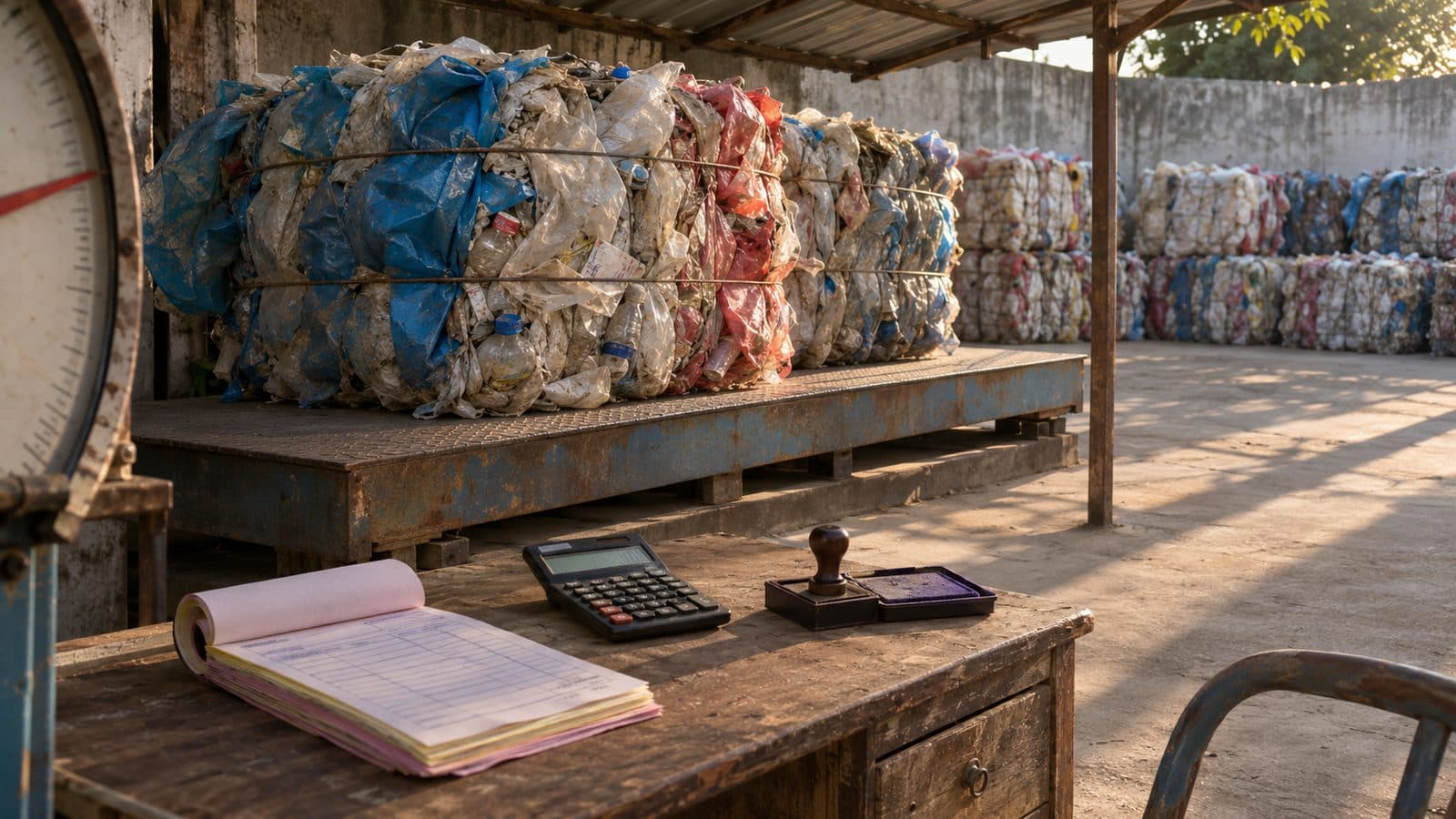
On 1 November 2026, three CBIC notifications changed how plastic waste and scrap is taxed. Buy from an unregistered supplier and you now pay the GST yourself, in cash, at 18%. Buy from a registered one and you deduct 2% at source instead. From 1 January 2027 every purchase from an unregistered supplier also needs an e-invoiced self-invoice. The paperwork, not the rate, is what will reshape who sells plastic scrap in India.
Editor’s PickCompliance·6 Nov 2026·5 min·E-Waste
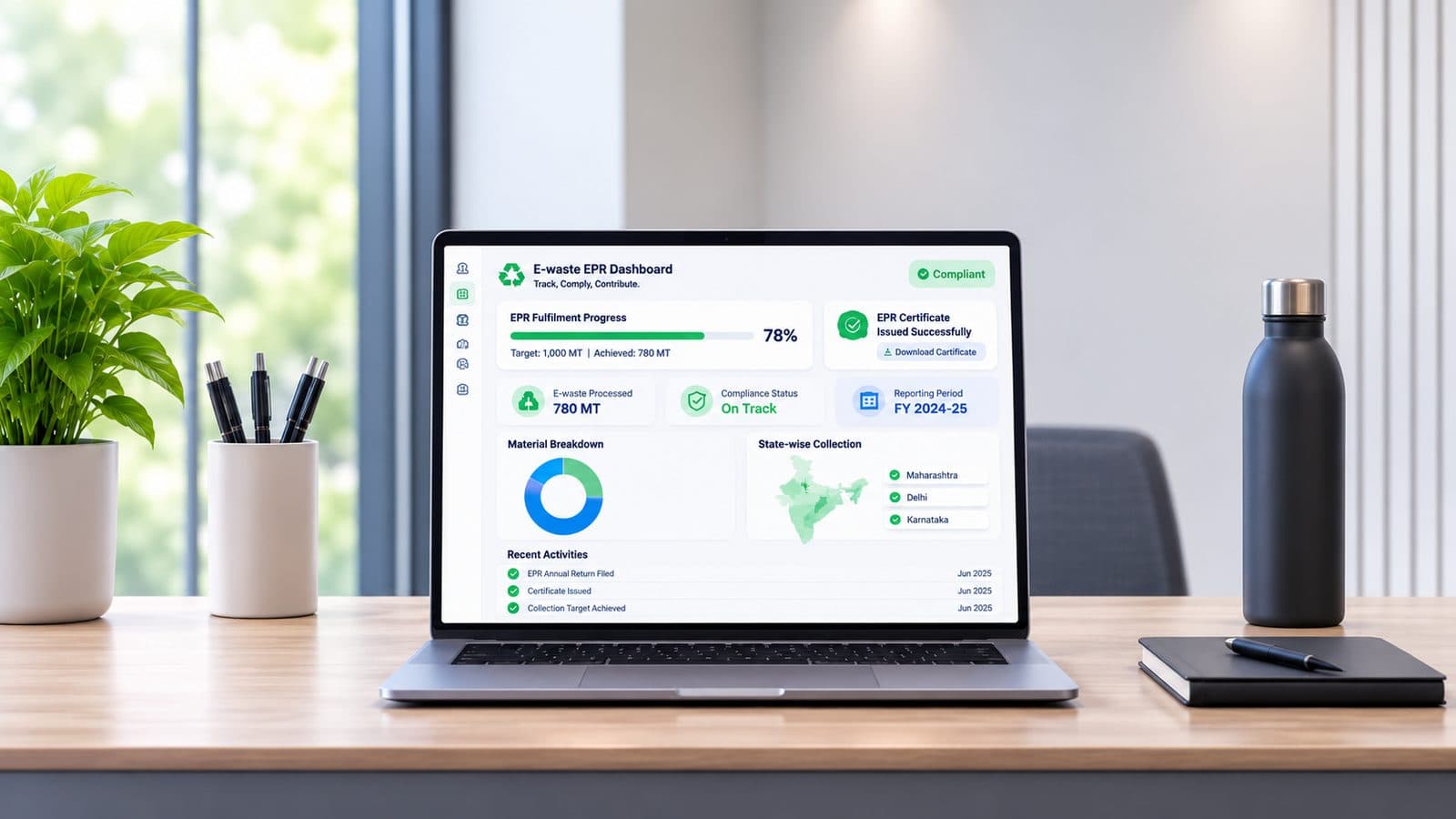
For years, the weak spot in e-waste EPR was the certificate nobody could trace. A CPCB direction dated 7 July 2026 closes that gap. On the E-Waste EPR Portal, a recycling certificate now stands only if a GST e-invoice backs the sale of the recovered metal. If it does not, CPCB calls it a false certificate. For a producer who buys certificates to meet an EPR target, this is the best protection handed to you in a long time.
Editor’s PickCompliance·29 Oct 2026·6 min·Plastic, PET
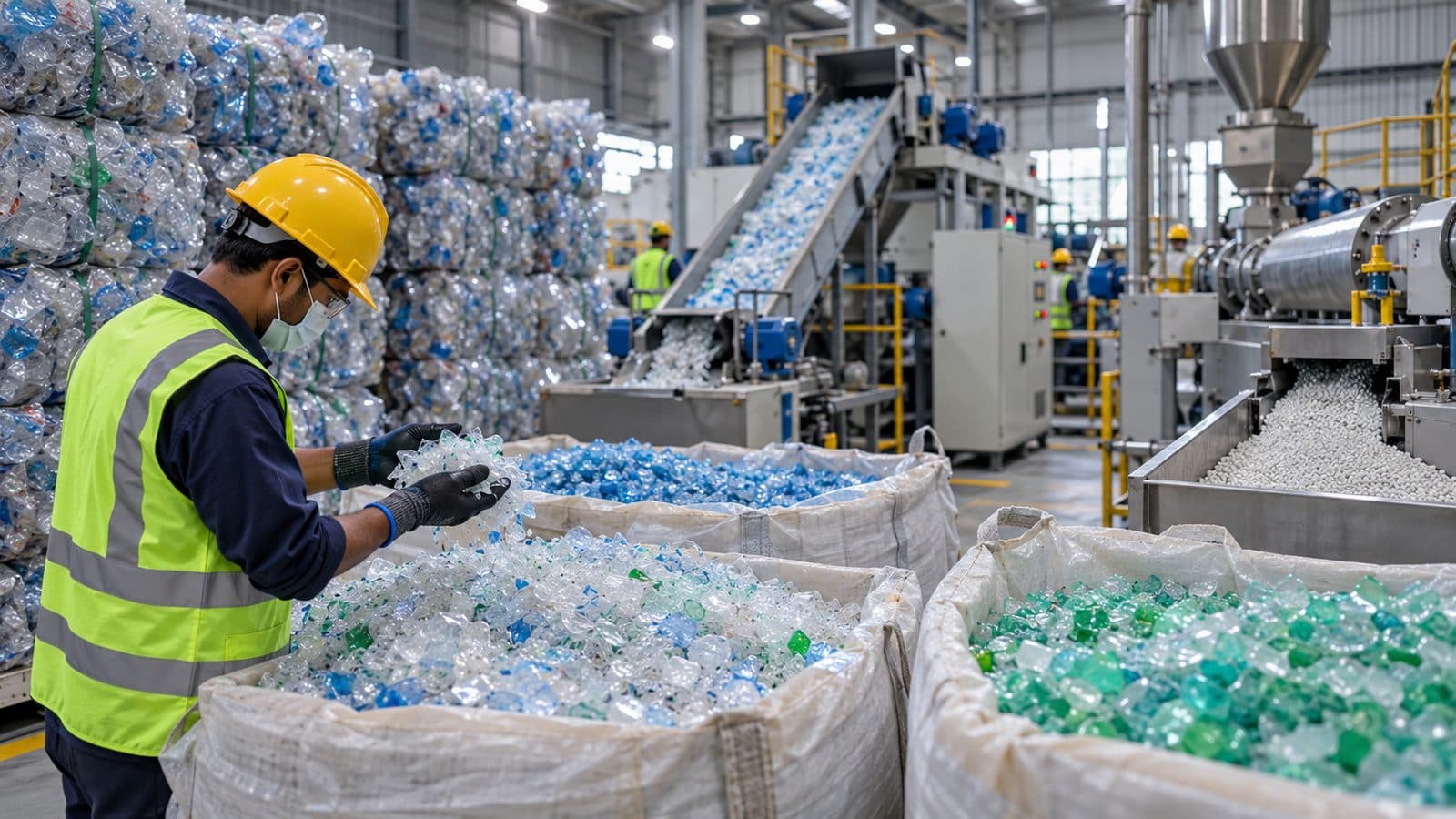
India's 2026 plastic rules now force brands to put 40% recycled content in rigid packaging this financial year, rising to 60% by 2028-29. That is a standing order to buy your recycled plastic. But the system meant to verify those claims, registered auditors and a CPCB guideline that was due around September 2026, has not fully arrived, which makes auditable, standard-grade recycled output the thing worth paying for.
Editor’s PickCompliance·29 Oct 2026·11 min·Battery, Lithium-ion, Lead Acid
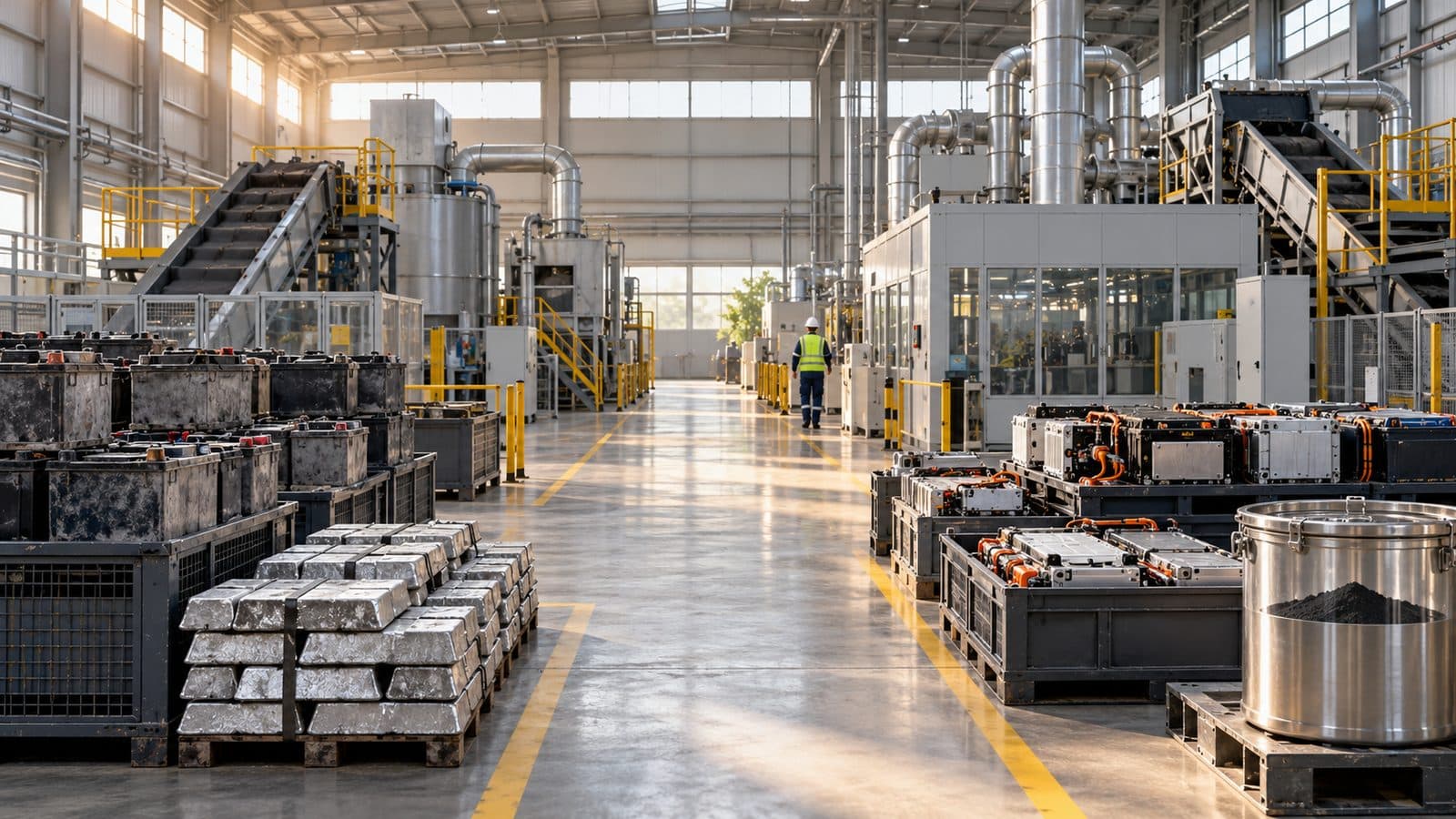
India has one national EPR system for waste batteries, but it does not have one functioning certificate market. A 29 October 2026 snapshot of CPCB’s public dashboard shows a deep pool of lead credits and a remarkably small pool of lithium credits. For battery brands, the compliance question is no longer simply whether certificates exist, but whether the correct metal-specific certificate exists when it is needed.

Compliance·27 Oct 2026·9 min·Plastic, Metal, Battery, E-Waste, Paper
On 16 October 2026, GSTN opened the e-Invoicing system to recipient-generated self-invoices under the Reverse Charge Mechanism (RCM) for taxpayers with an Aggregate Annual Turnover (AATO) of ₹5 crore and above. Two new supply type codes now sit in the e-Invoice schema: RCMDOM for domestic purchases from unregistered sellers, and RCMIMP for import of services from suppliers outside India. Knowing which code fits which purchase bill decides how your accounts team generates the Invoice Reference Number (IRN).
Editor’s PickCompliance·26 Oct 2026·6 min·Battery, Lithium-ion, Lead Acid
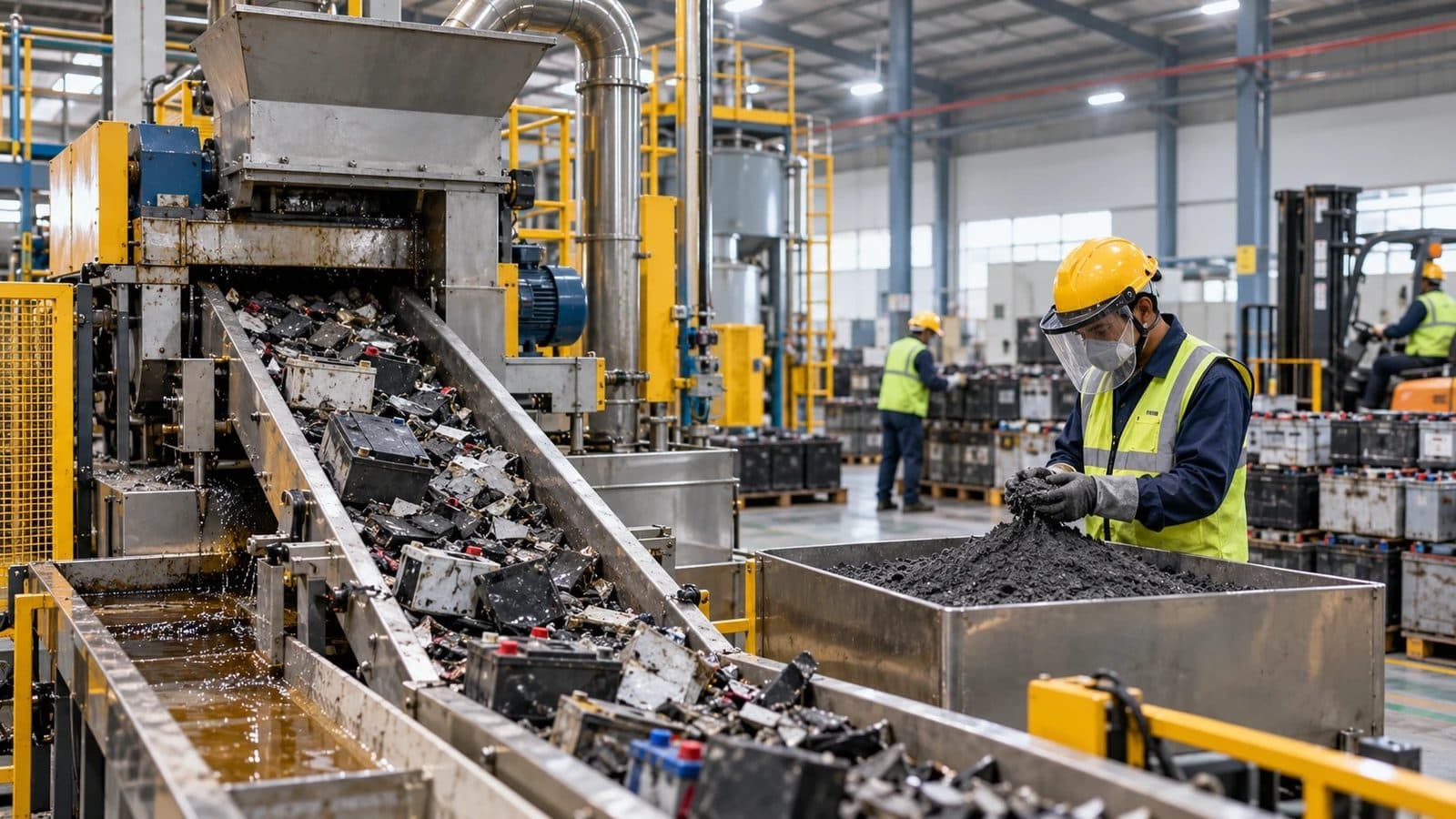
CPCB's 2026 battery recycling guidelines do two things that change who gets to stay in the trade. They put manual acid-battery breaking on a hard clock, and they sort lithium recyclers into licensed tiers around "black mass", the halfway product that is quietly becoming the industry's new unit of value.
Editor’s PickCompliance·24 Oct 2026·7 min·E-Waste
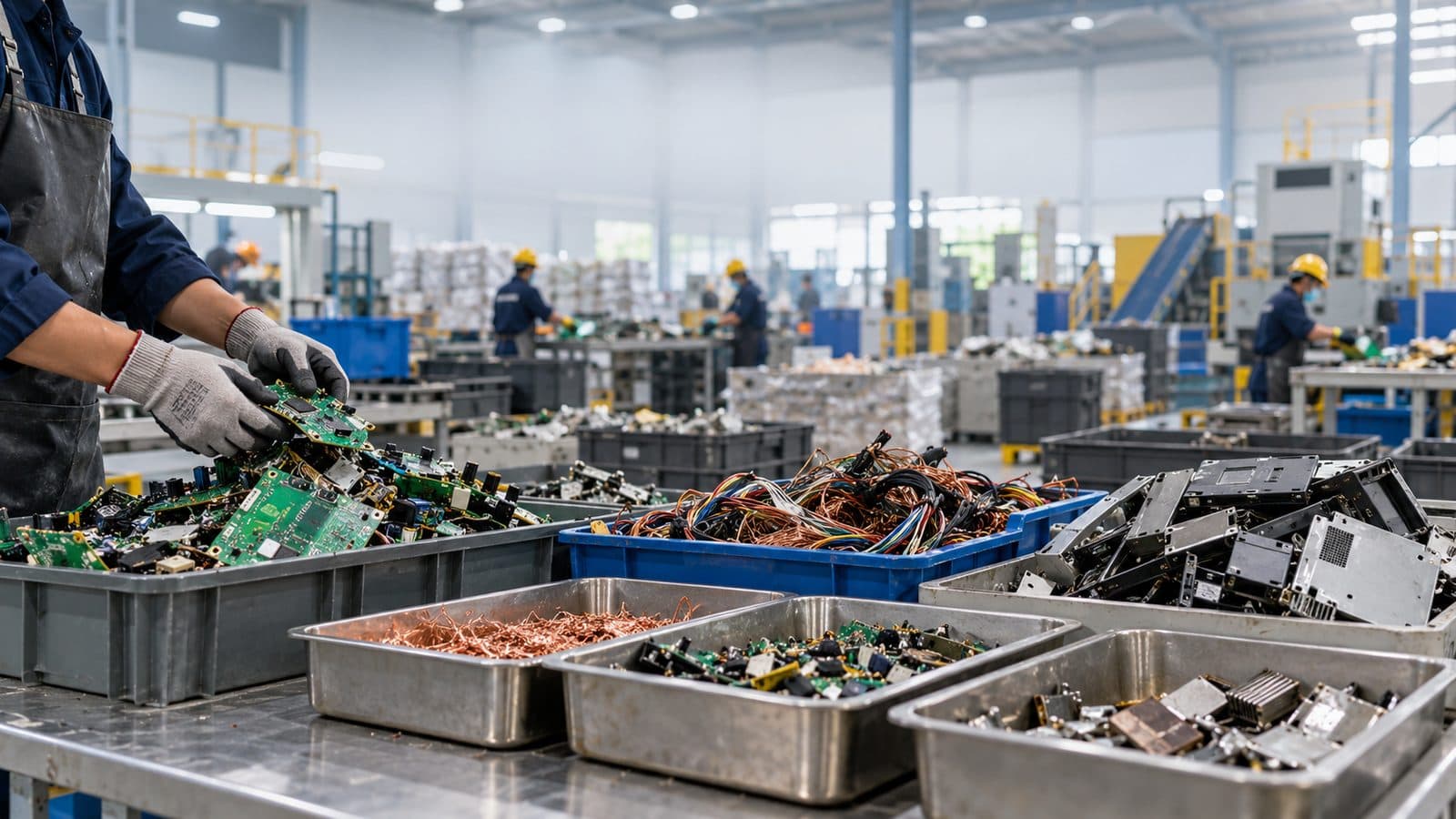
The government fixed a floor price for e-waste recycling certificates, 30% of the environmental compensation for dodging the rule, which works out to ₹22 a kg for consumer electronics and ₹10 to ₹41 across other categories. That floor is what lets a registered recycler pay a real rate for your old TV or laptop instead of a race-to-the-bottom price. On 22 October 2026 the Environment Minister called for "coordination between producers and recyclers." In e-waste, that coordination is a court fight: Samsung, LG, Havells, Daikin and Voltas have asked the Delhi High Court to strike the floor down and let the market set the price. For the collector and the recycler, the whole economics of doing it the legal way rests on how that case ends.
Editor’s PickIndustry Trends·22 Oct 2026·8 min·Plastic
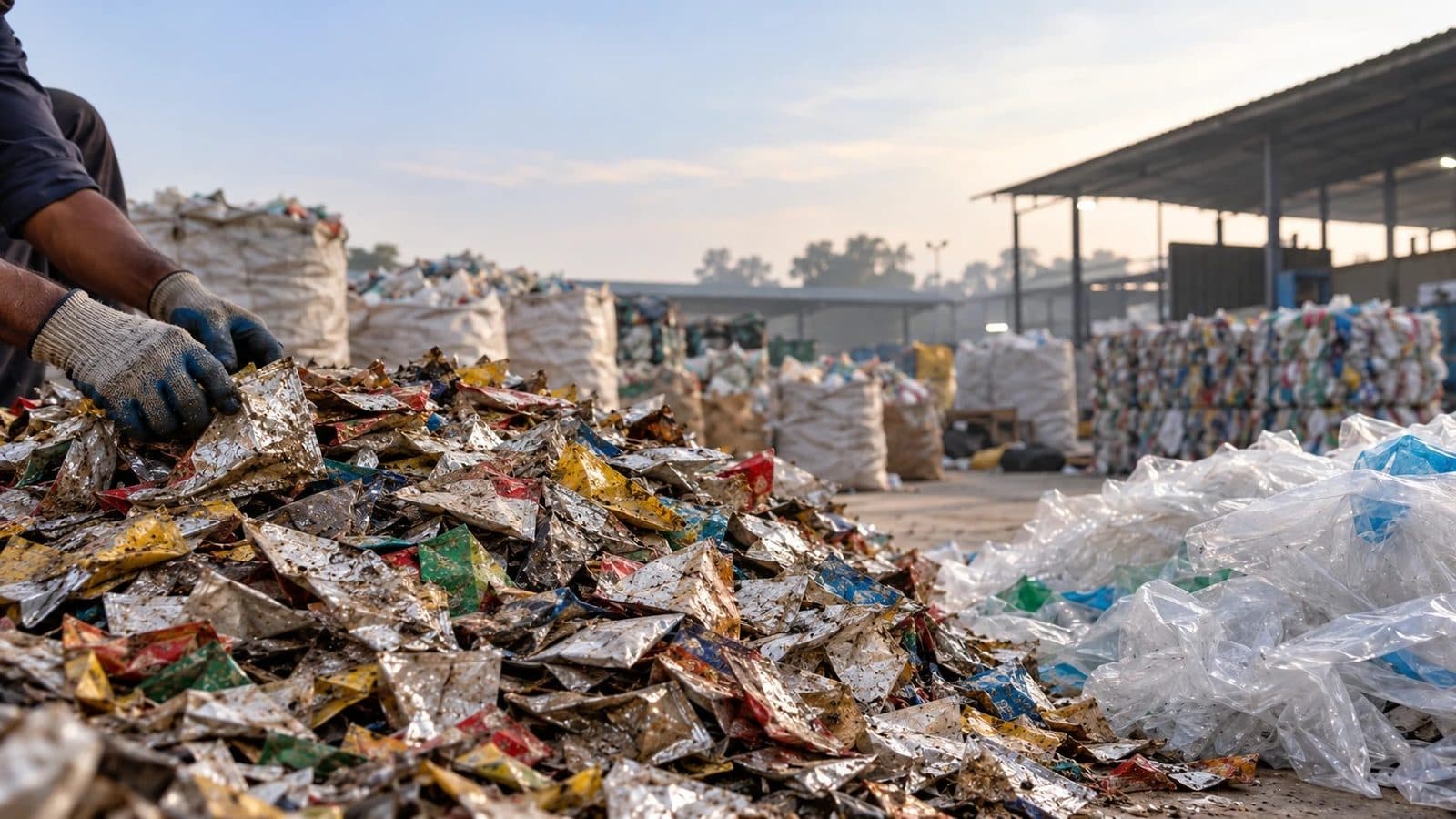
Multi-layered plastic, the foil-lined sachets and pouches that hold shampoo, ketchup, gutka and milk powder, is about 21% of India's plastic waste by the government's own composition data, yet it is the one stream the scrap market barely touches. A collector earns almost nothing for it, because the layers cannot be cleanly separated and the money recovered hardly covers the cost of picking, moving and sorting it. A fresh survey shows the squeeze: Indians say they would pay more for sustainable packaging, the most willing of any country, but at the shop the cheapest sachet still wins. What is changing is not the scrap value. It is who pays, and the answer, increasingly, is the brand, through EPR.
Editor’s PickCompliance·16 Oct 2026·11 min·Rubber, Tyre
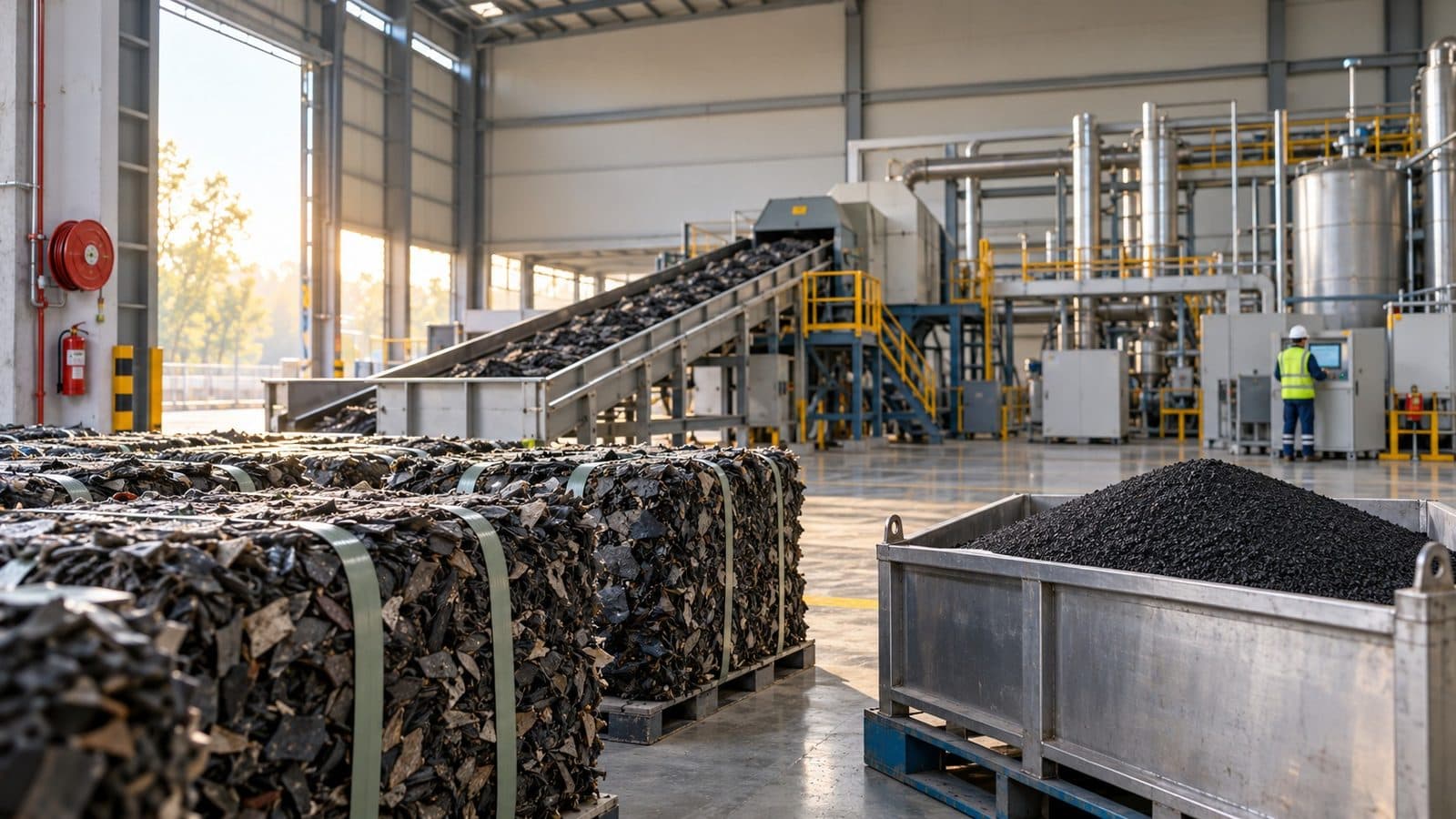
India's latest waste-tyre import decision recommends 288,219 tonnes across 23 applications. But 91,479 tonnes, nearly one-third of the total, is linked to further EPR verification or CPCB checks. The message for importers, recyclers and tyre brands is clear: capacity may open the gate, but only a consistent trail from import to production, sale and certificate can keep it open.
Editor’s PickCompliance·14 Oct 2026·11 min·Battery, Lithium-ion, Lead Acid
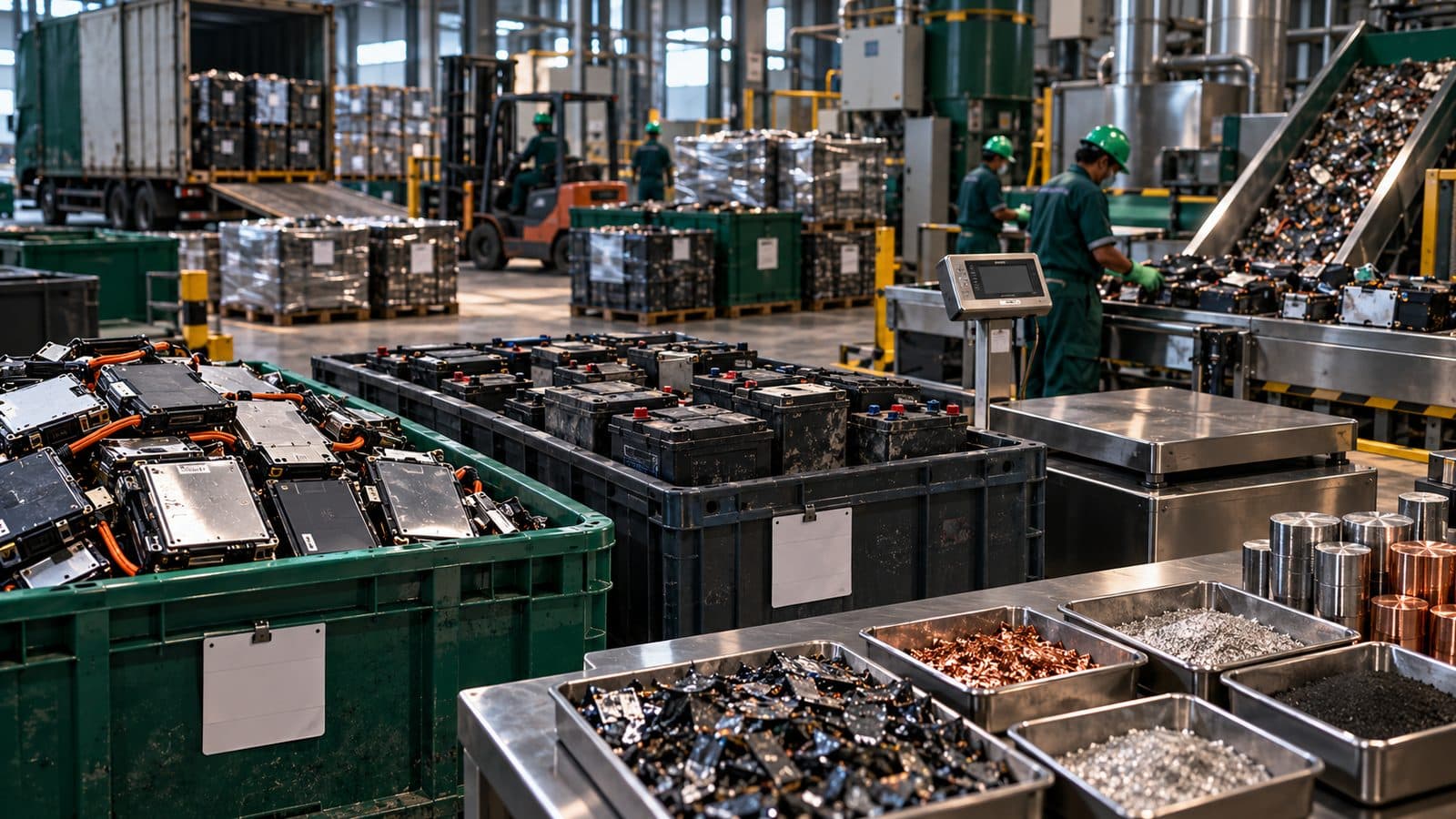
Between 1 April and 30 September 2026, India's battery rules did not receive a new Gazette amendment. The operating standard still changed sharply. A GST e-invoice cutover and two detailed CPCB guidelines connected battery-scrap collection, storage, transport, recycling, recovered-material sales and EPR certificates more tightly than before.