Industry Trends·18 Nov 2026·2 min·Metal, Ferrous
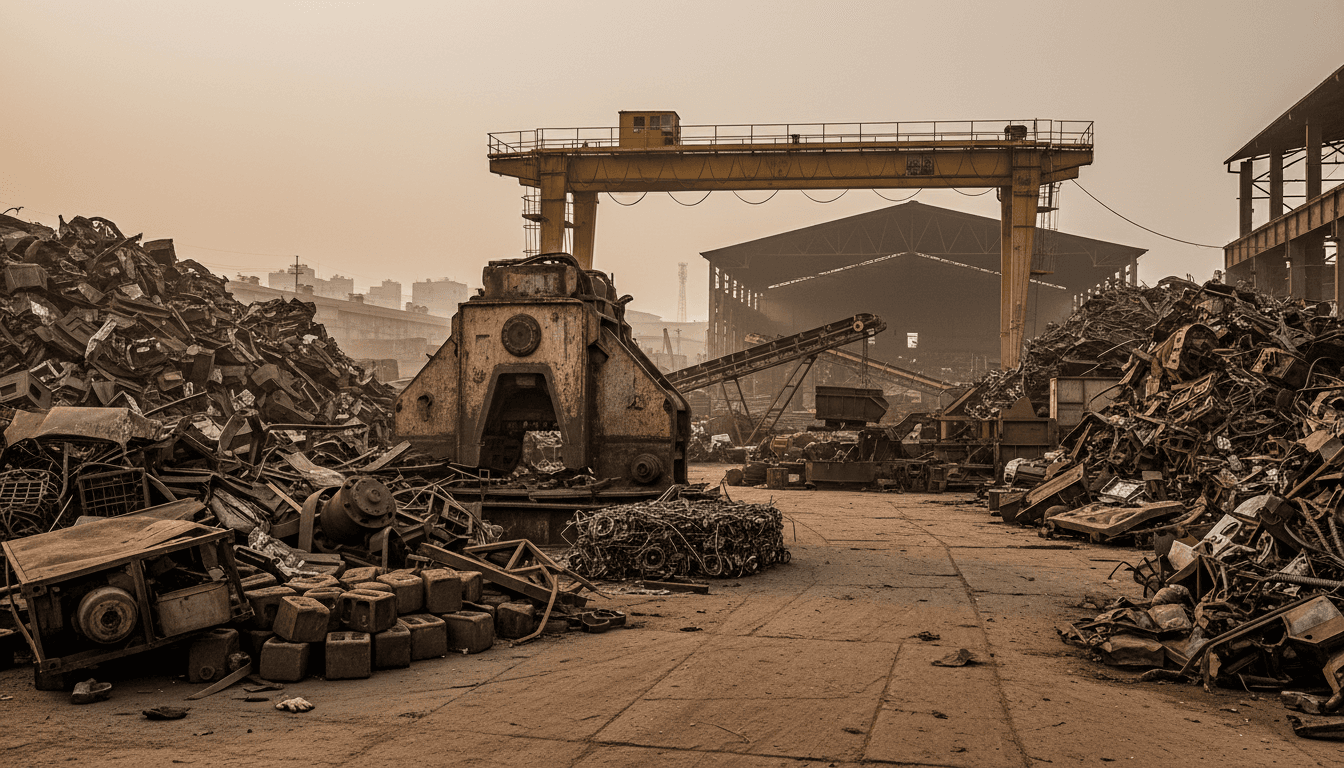
Steel mills are buying less scrap as finished steel demand softens across major northern markets like Mandi Gobindgarh.

Editor’s PickIndustry Trends·18 Nov 2026·3 min·Battery
A 30% capital subsidy program accelerates the buildout of domestic processing capacity for recycled battery materials and raw minerals.
Editor’s PickIndustry Trends·17 Nov 2026·3 min·Plastic
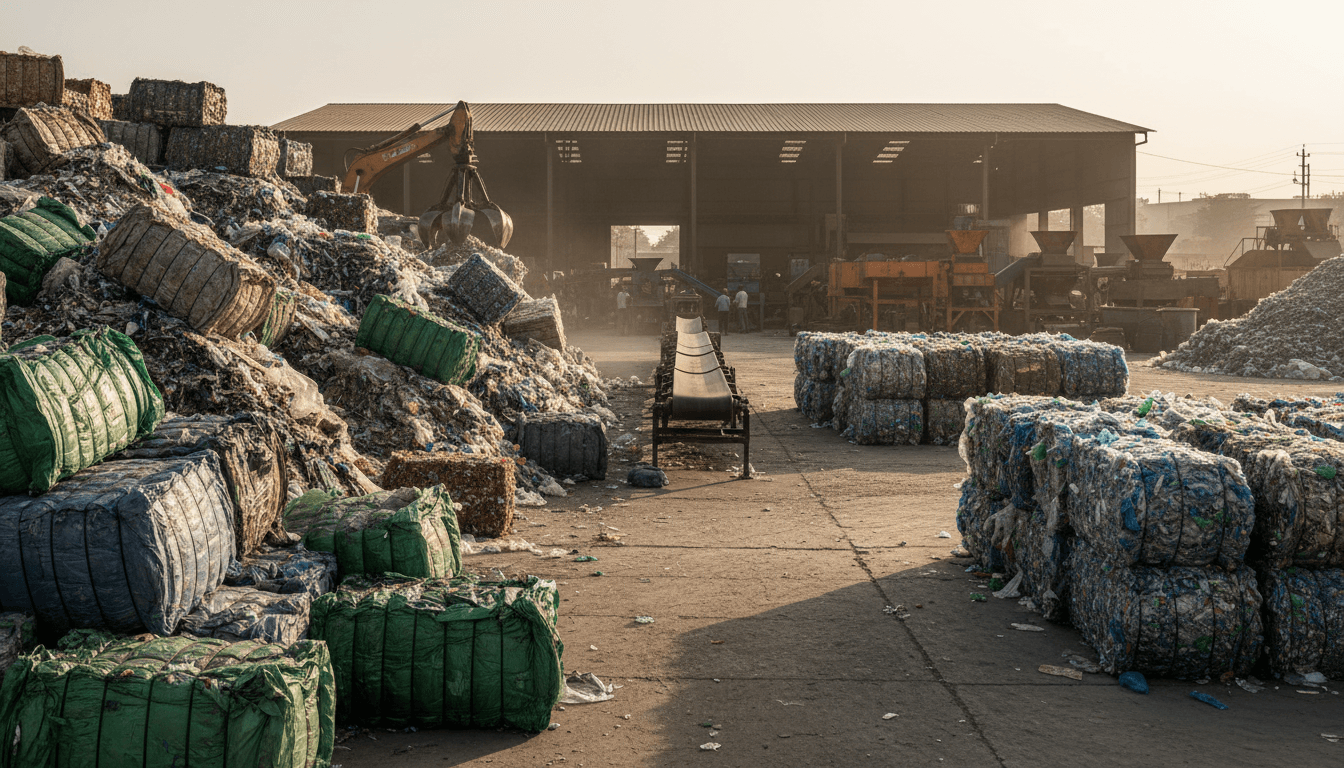
Regulation (EU) 2024/1157 sets a 21 November 2026 deadline, forcing Indian recyclers to shift from European bales to domestic supply chains.
Industry Trends·14 Nov 2026·2 min·Metal, Non-Ferrous
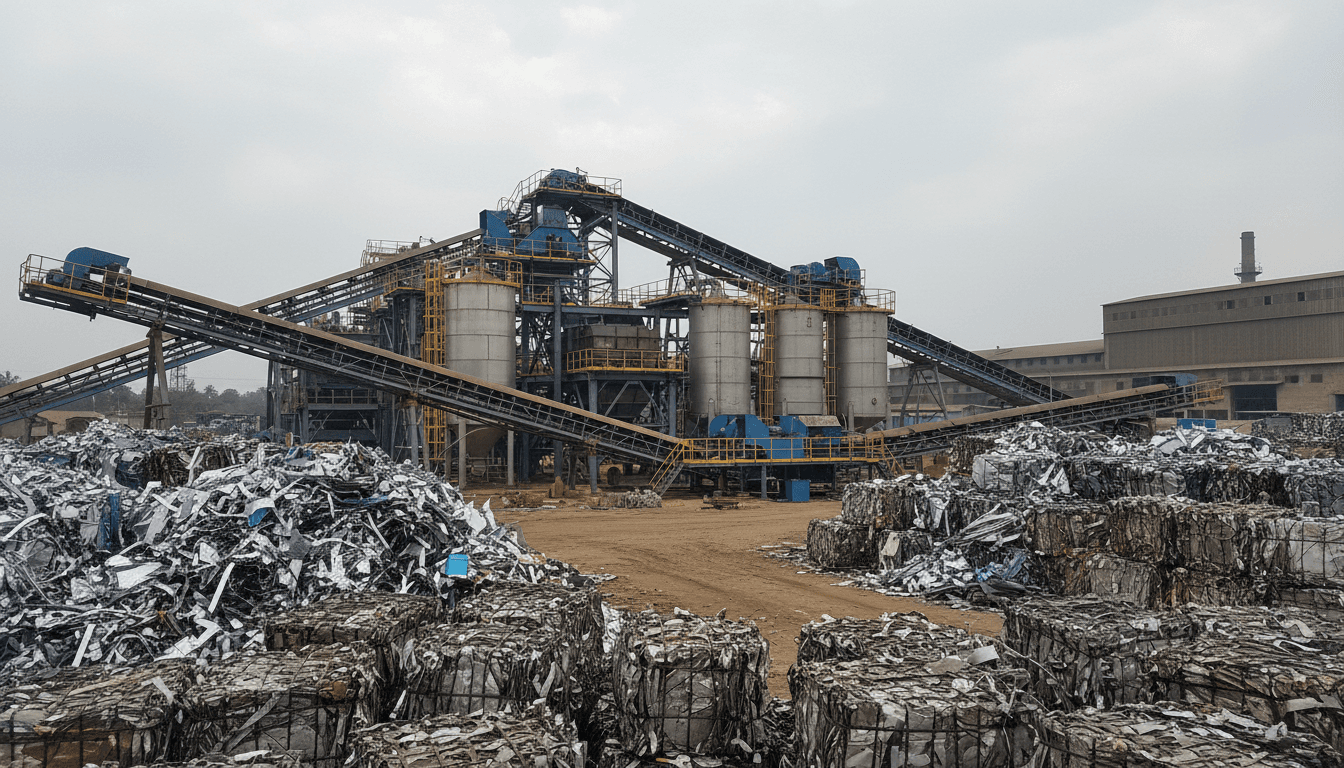
A massive expansion in Odisha will boost domestic demand for aluminium scrap and dross.
Industry Trends·14 Nov 2026·2 min·Metal, Ferrous
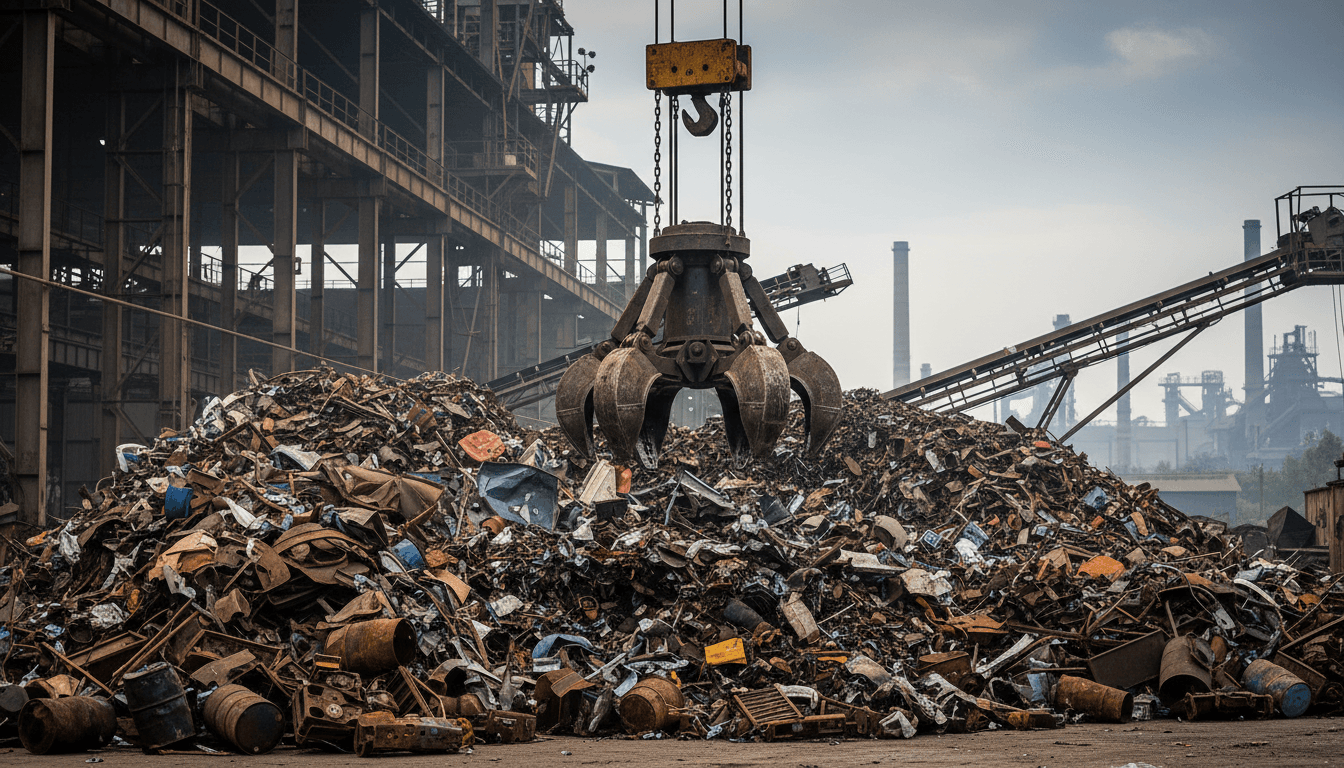
NCDEX and BigMint launched a scrap futures contract for HMS 80:20 that helps mills and scrap dealers lock in prices.
Editor’s PickIndustry Trends·13 Nov 2026·4 min
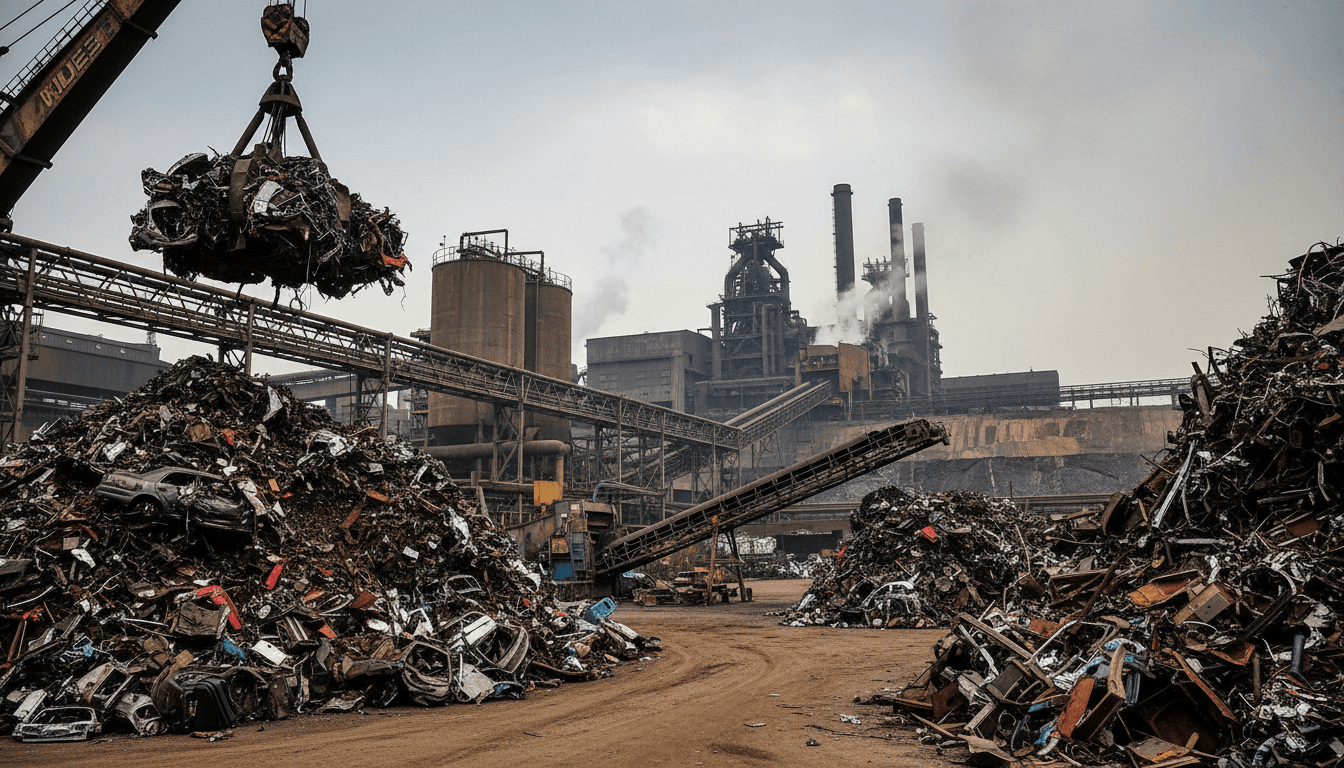
Carbon border payments and reduced quotas push outbound shipments down, turning domestic scrap into prime raw material.
Editor’s PickIndustry Trends·13 Nov 2026·2 min
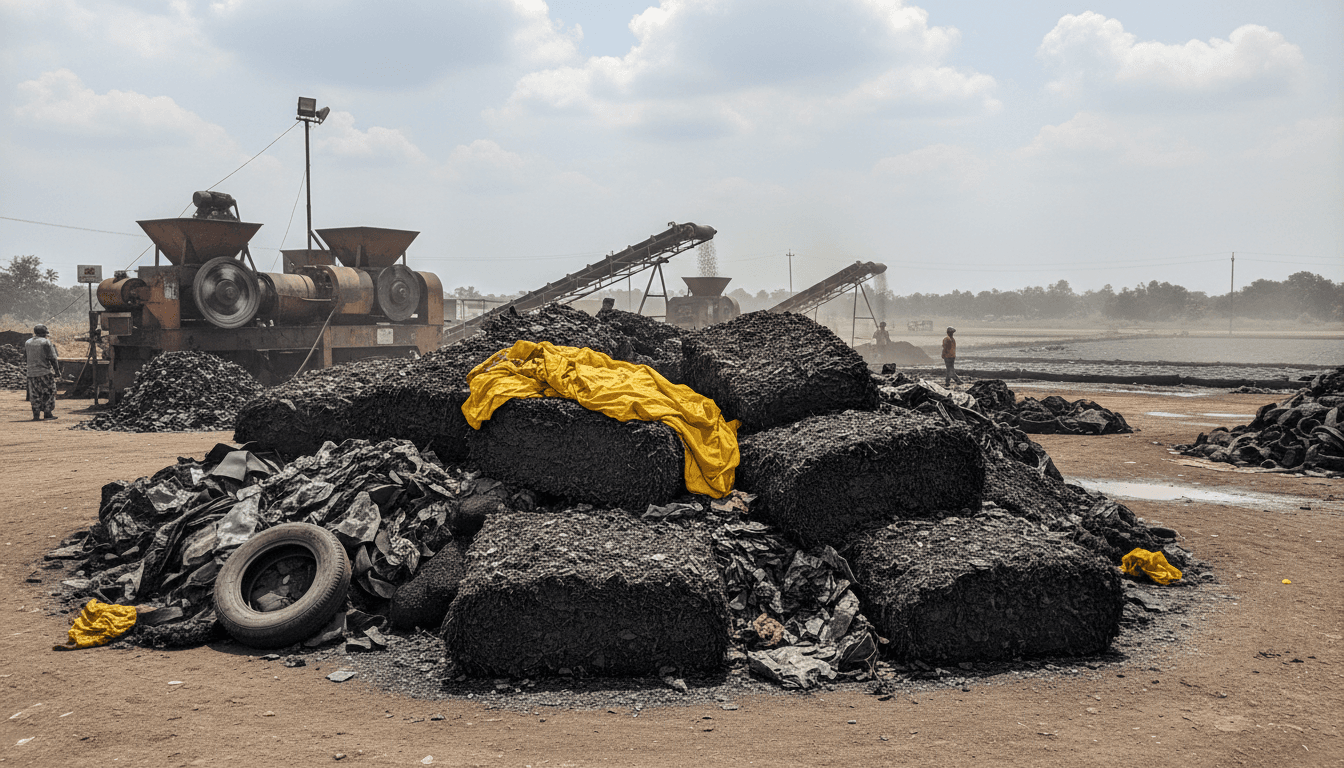
A severe 522,000-tonne supply deficit drives domestic RSS-4 rubber to a 12.5% premium over global benchmarks, accelerating secondary rubber adoption.
Industry Trends·13 Nov 2026·2 min·Steel
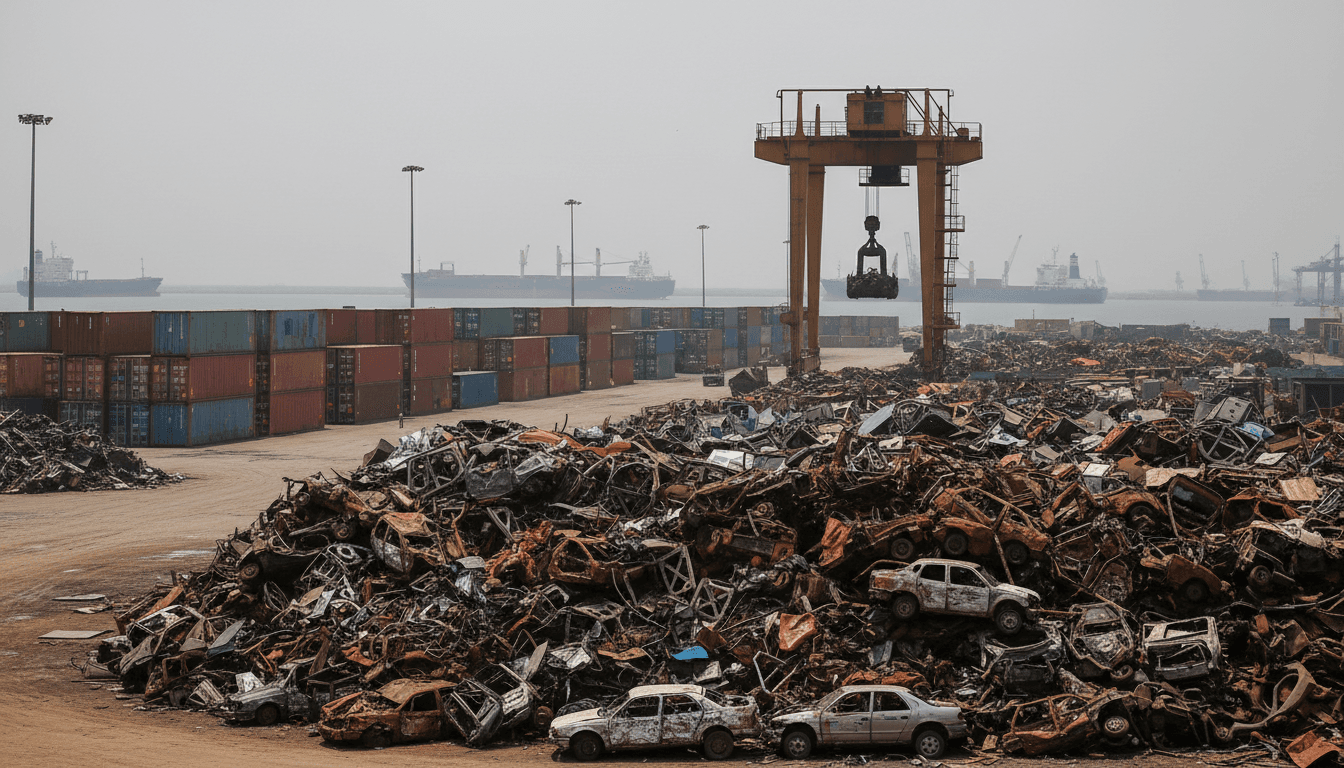
Domestic scrap discounts of up to INR 4,000 per tonne and elevated ocean freight compress buyer margins across Indian ports.
Government·13 Nov 2026·2 min·Metal, Ferrous, Non-Ferrous
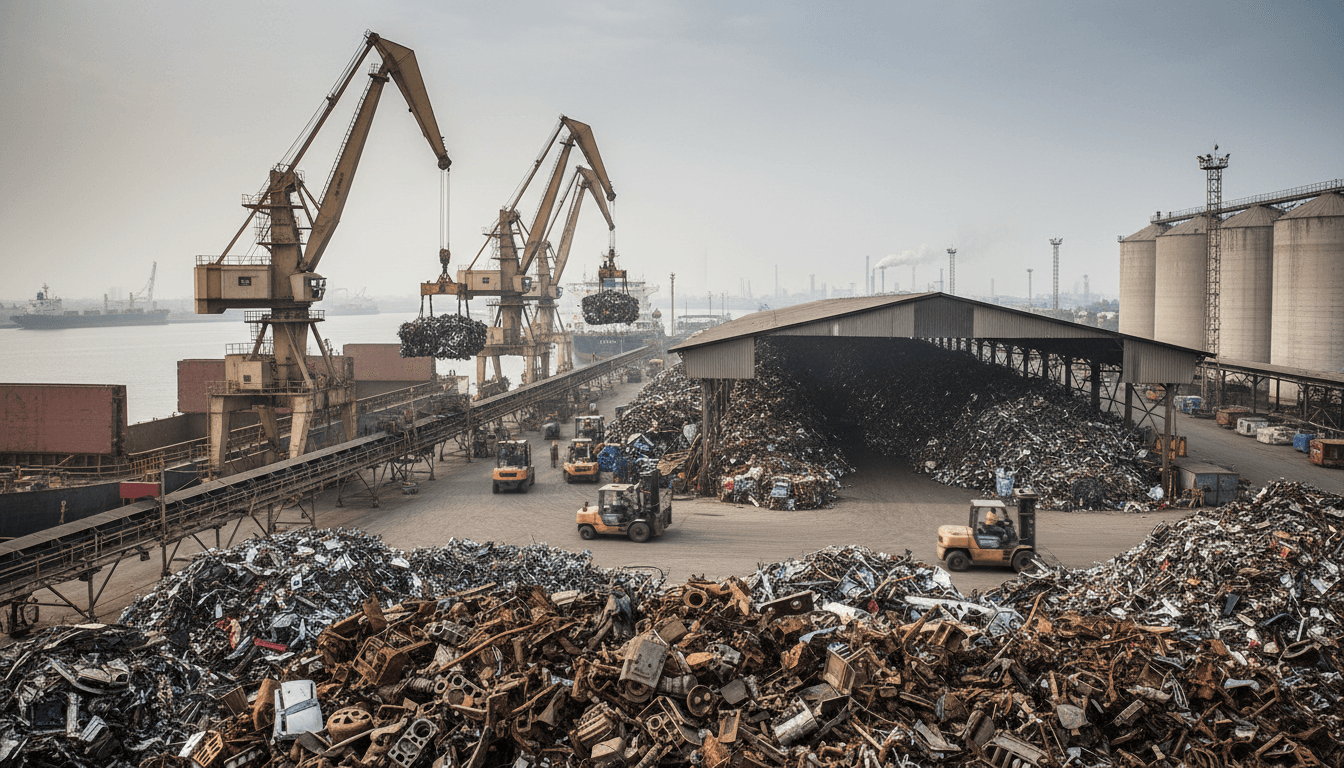
The European Commission draft under Regulation (EU) 2024/1157 omits India for ferrous and non-ferrous metals, threatening feedstock at Mundra, Kandla, and JNPT
Industry Trends·13 Nov 2026·2 min·Metal, Ferrous, Non-Ferrous
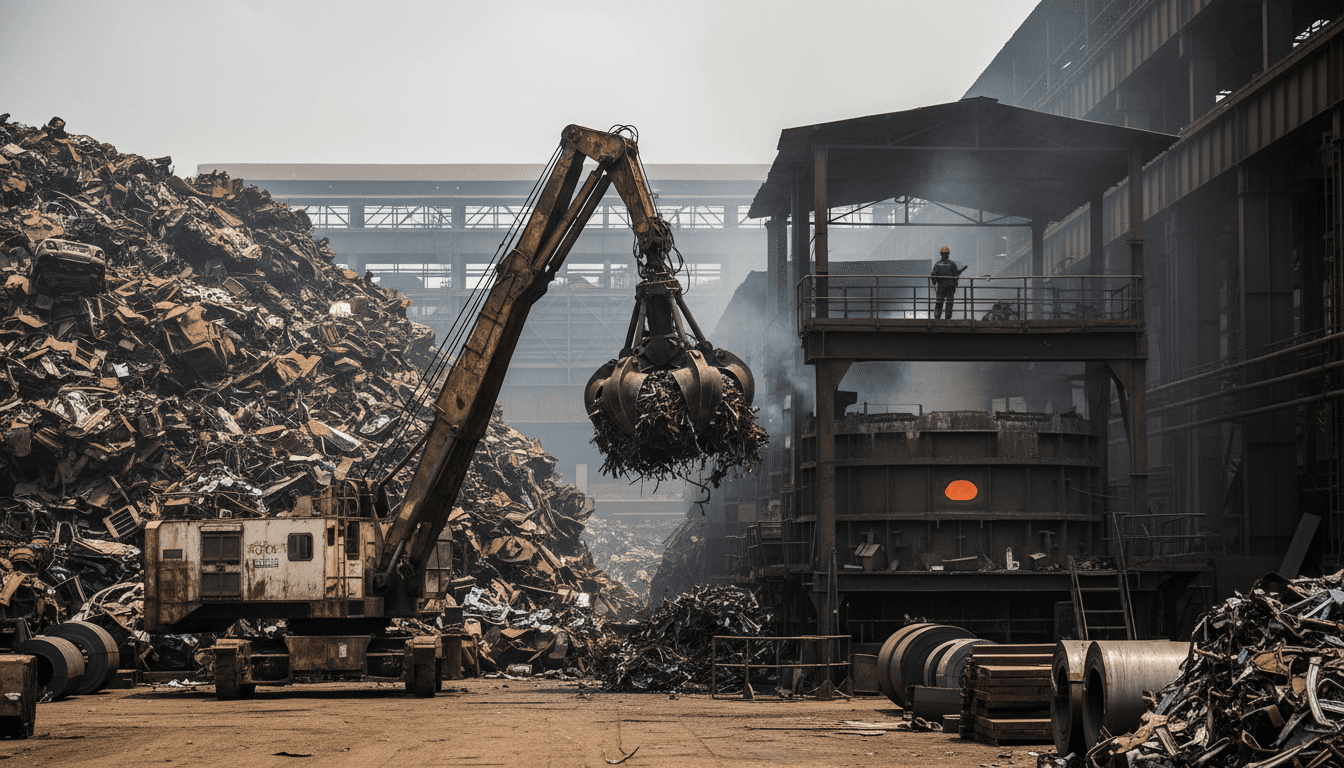
Carbon border payments and reduced quotas push outbound shipments down, turning domestic scrap into prime raw material.
Compliance·12 Nov 2026·5 min·E-Waste
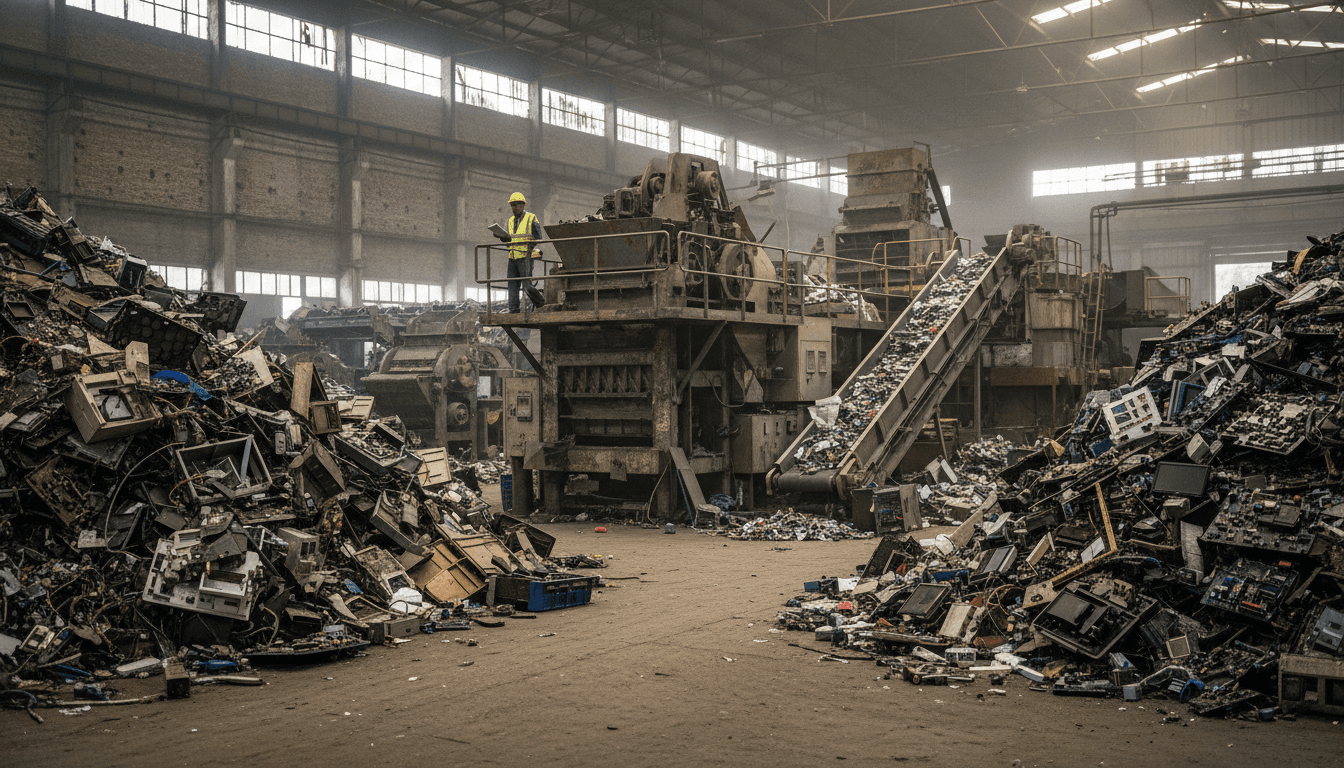
Electronics giants challenge CPCB price controls in court as statutory recycling targets climb to 70 percent.
Industry Trends·12 Nov 2026·2 min·PET
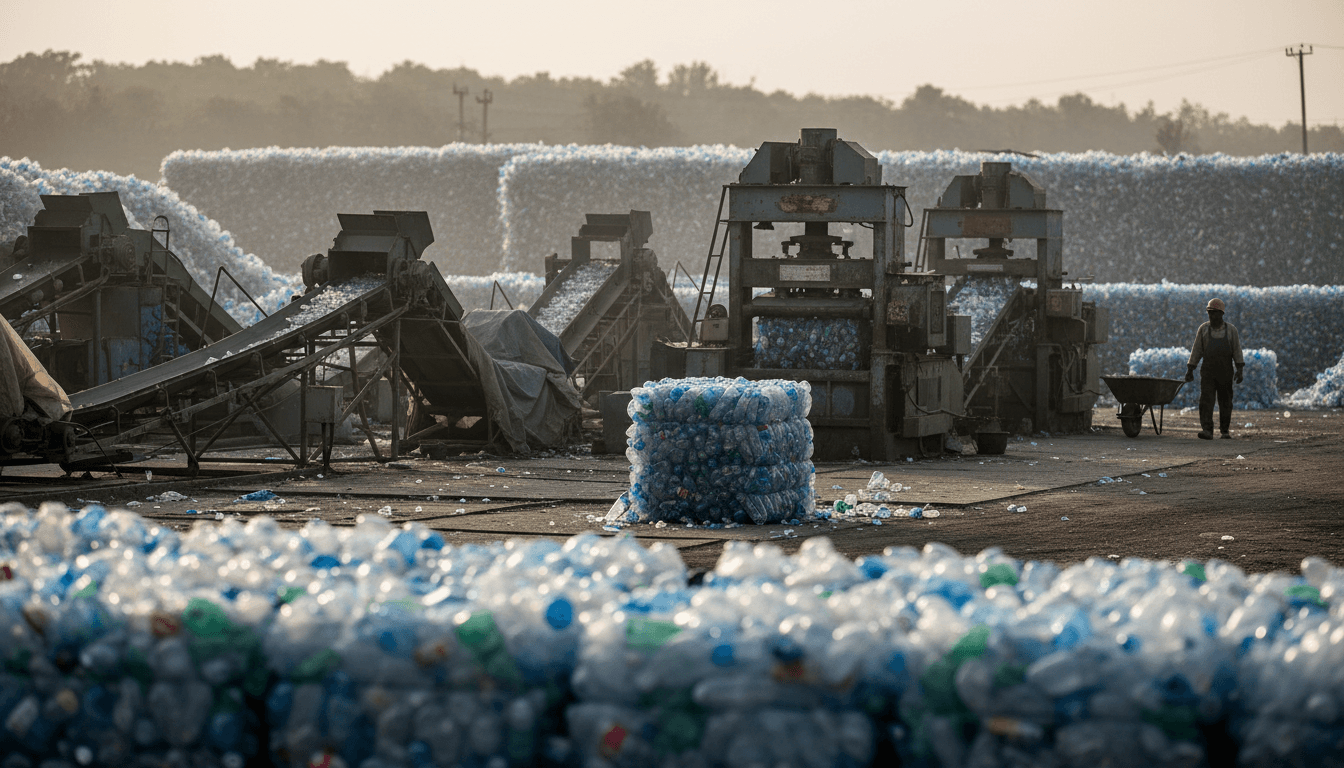
Rising can shell costs and Middle East supply chain disruptions force beverage brands to reallocate volume to PET and glass ahead of the festive season.
Government·12 Nov 2026·2 min
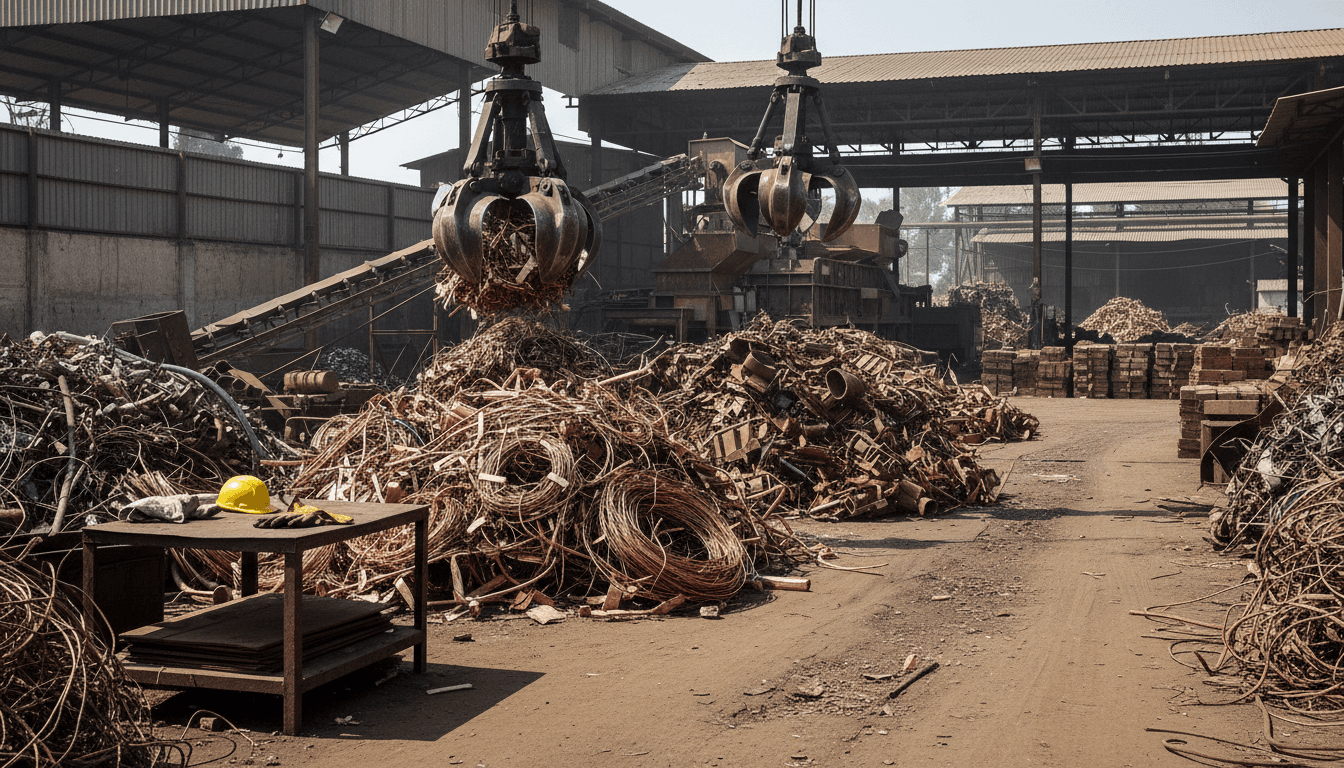
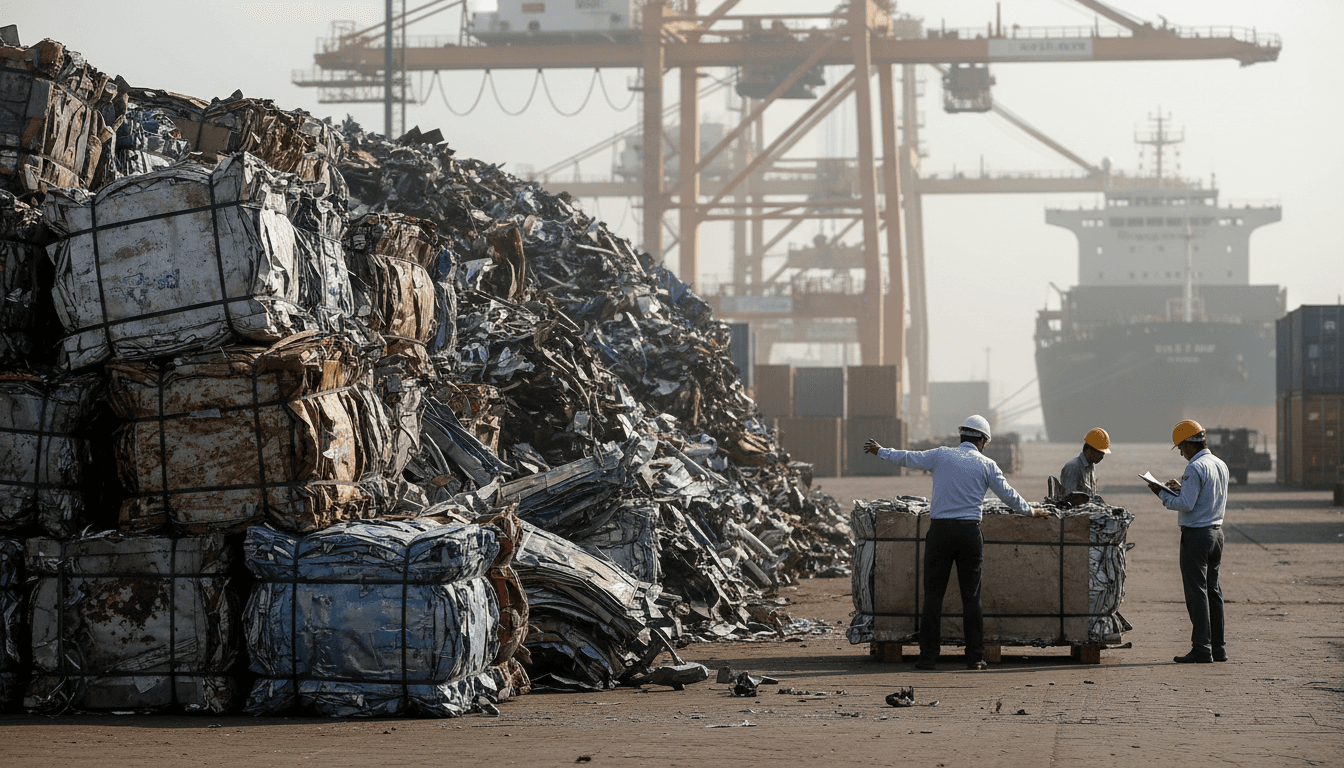
Major supplying regions are taking regulatory and tariff actions to keep copper scrap for local processing, putting pressure on import supply.
Government·12 Nov 2026·3 min
Importers face competing petitions as recyclers push to abolish the 2.5% customs duty while primary producers demand a hike to 7.5% on lower grades.
Government·12 Nov 2026·3 min·E-Waste
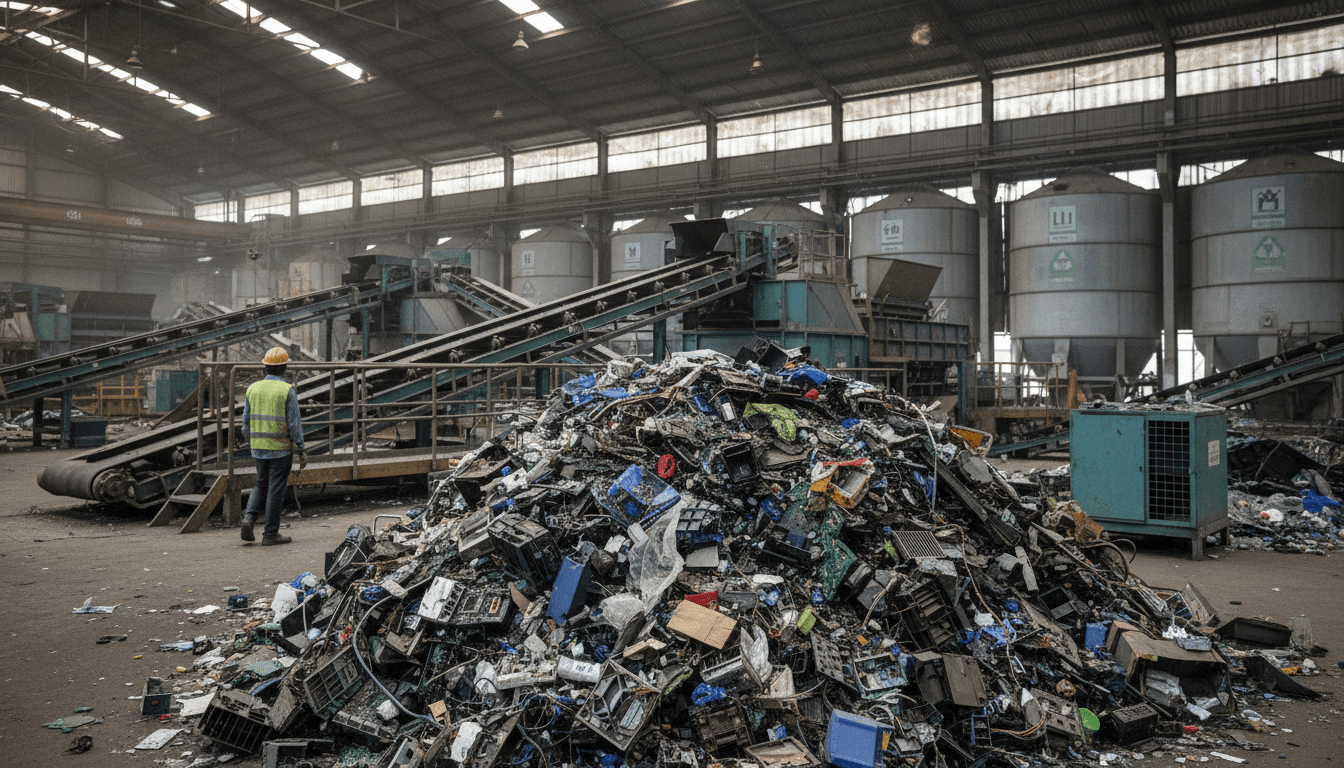
New processing capacities chase a domestic waste pool governed by escalating recovery mandates.
Government·11 Nov 2026·4 min·Black Mass
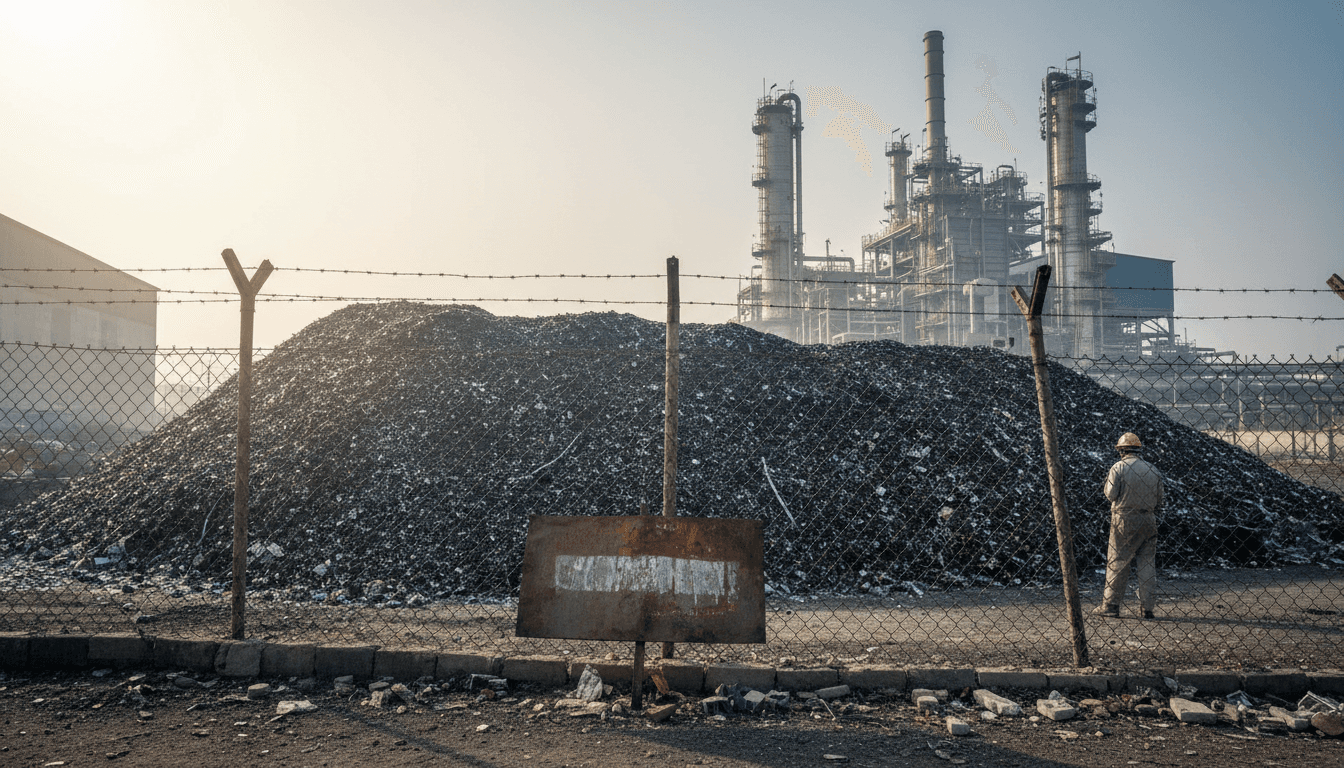
The Cabinet capital subsidy funds four mega-refineries, but lithium guidelines mandate ores and concentrates over recycled feeds.
Industry Trends·11 Nov 2026·1 min·Stainless Steel
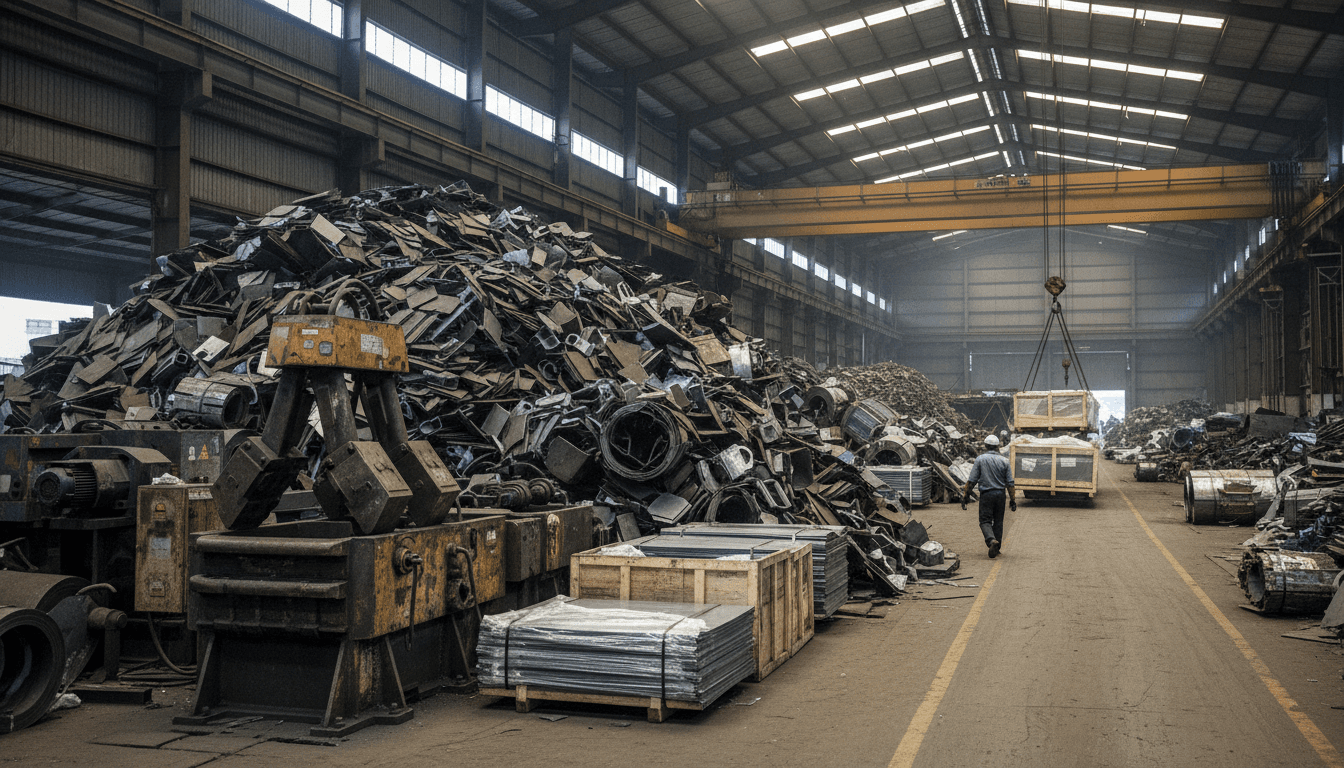
Relaxed quality norms allowed overseas coil imports to spike while domestic stainless flat production dropped 9%.
Industry Trends·11 Nov 2026·2 min·Stainless Steel
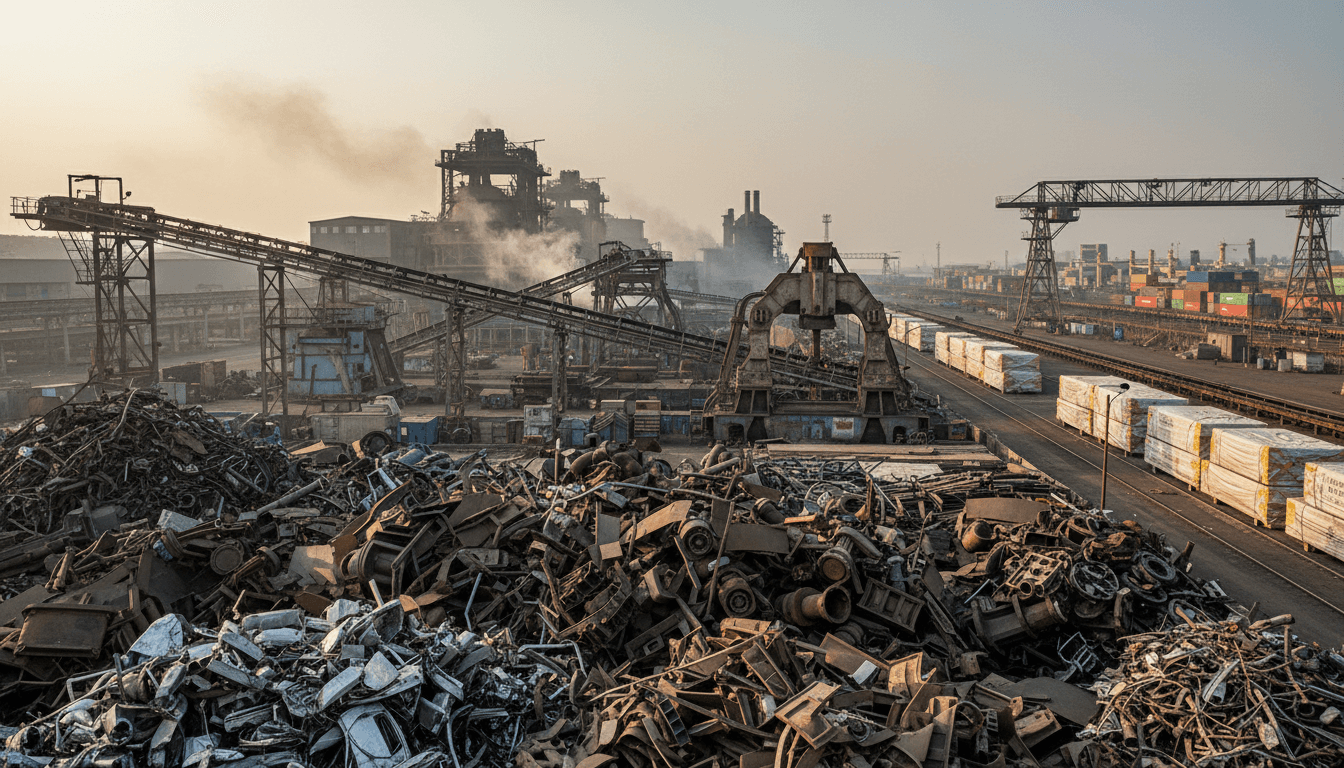
Relaxed quality control orders and cheap overseas coil reduce domestic mill output, reshaping raw material demand across Indian ports.
Compliance·11 Nov 2026·2 min·Plastic
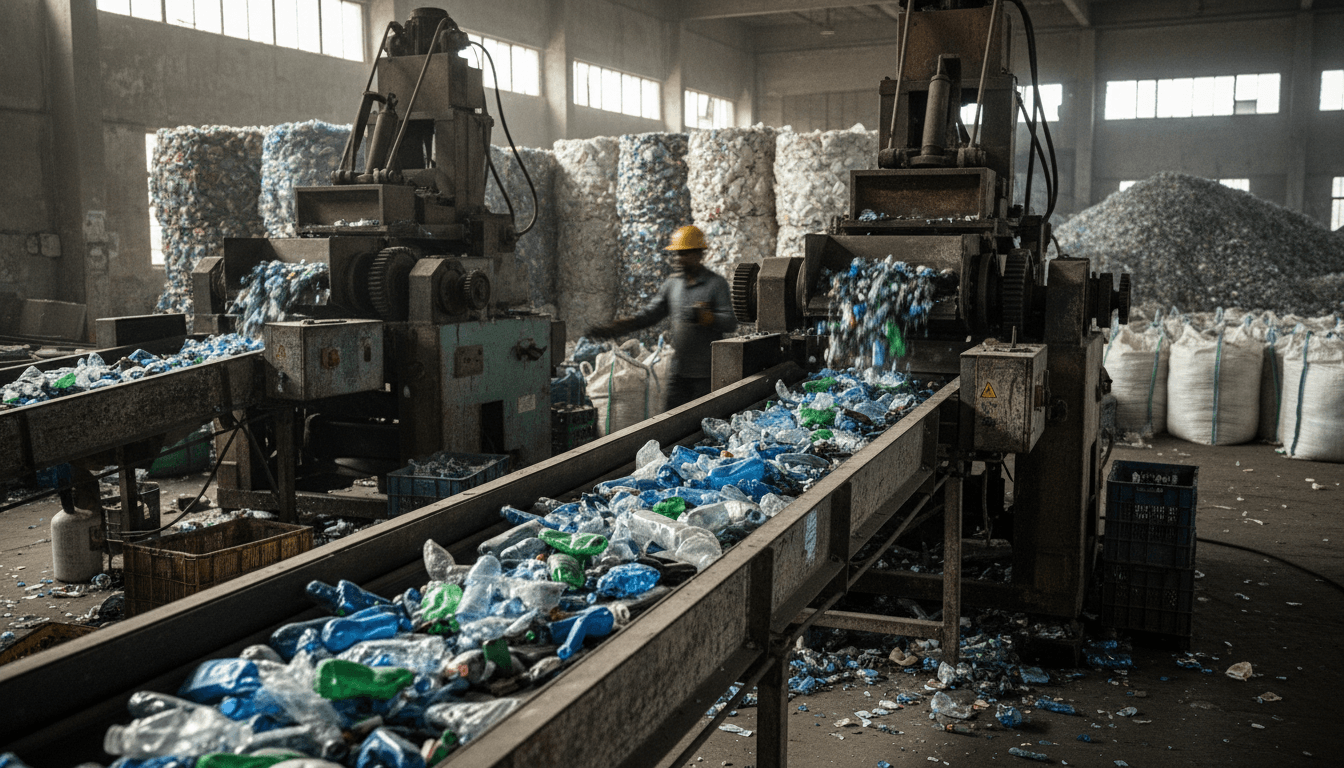
Notification G.S.R. 237(E) establishes mandatory recycled plastic content targets for packaging while restricting imported credit claims.

Editor’s PickIndustry Trends·10 Nov 2026·9 min·Metal, Ferrous, Stainless Steel, Nickel
Trade data published on 7 November 2026 shows India's imports of finished stainless flat products rose 33% to 8.69 lakh tonnes in January to August 2026. In the same months, India's own mills cut finished flat output by 9%. Nobody has joined those two numbers to the thing that follows from them, which is that the furnaces buying your stainless scrap have a smaller order book than they did a year ago.