Editor’s PickGovernment·9 Nov 2026·9 min·Lithium-ion, Nickel
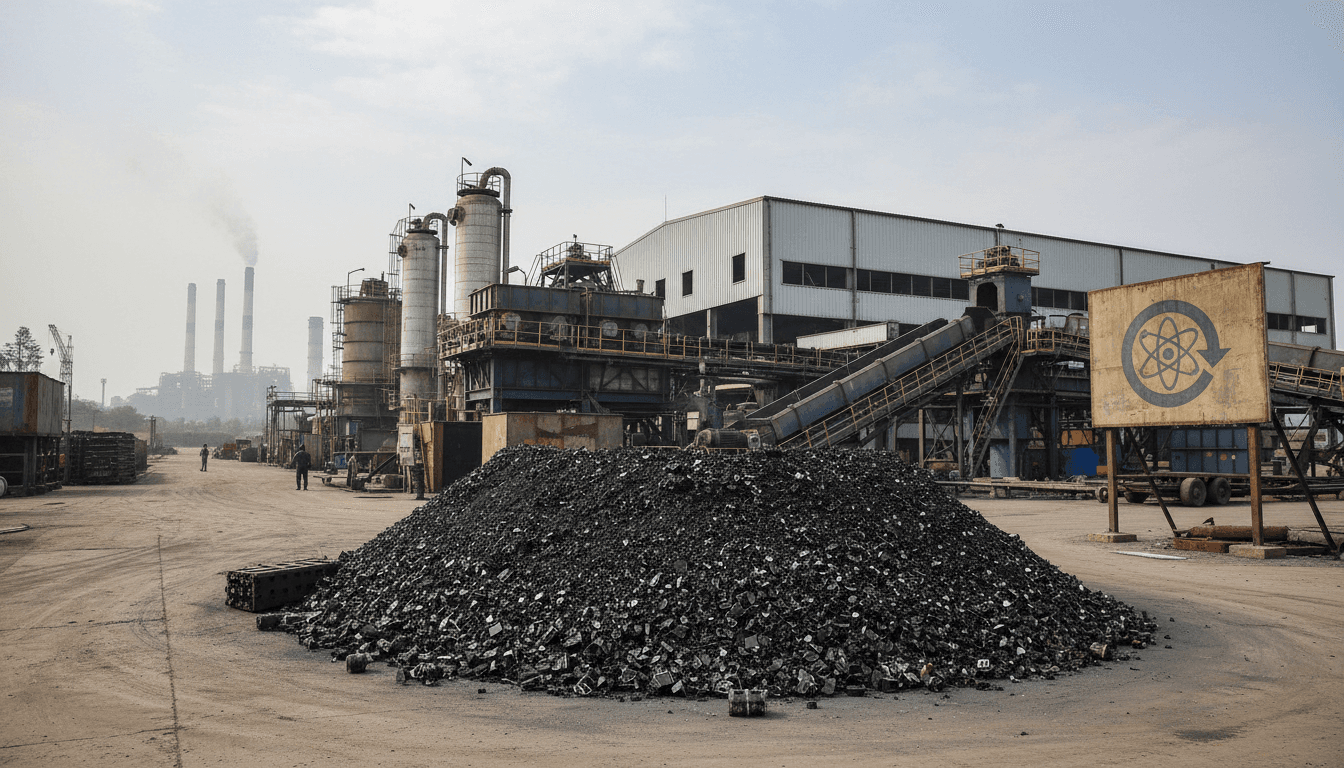
On 4 November 2026 the Union Cabinet put ₹2,814 crore behind four plants that will refine lithium and nickel, the exact step India's battery recyclers have been missing. At the briefing that followed, the minister said the money would take material from mining or recycling alike. The Cabinet's own written order says lithium ores and concentrates. The official note issued the next day is narrower still. If you shred batteries for a living, that gap is the whole story.
Editor’s PickCompliance·8 Nov 2026·9 min·Plastic
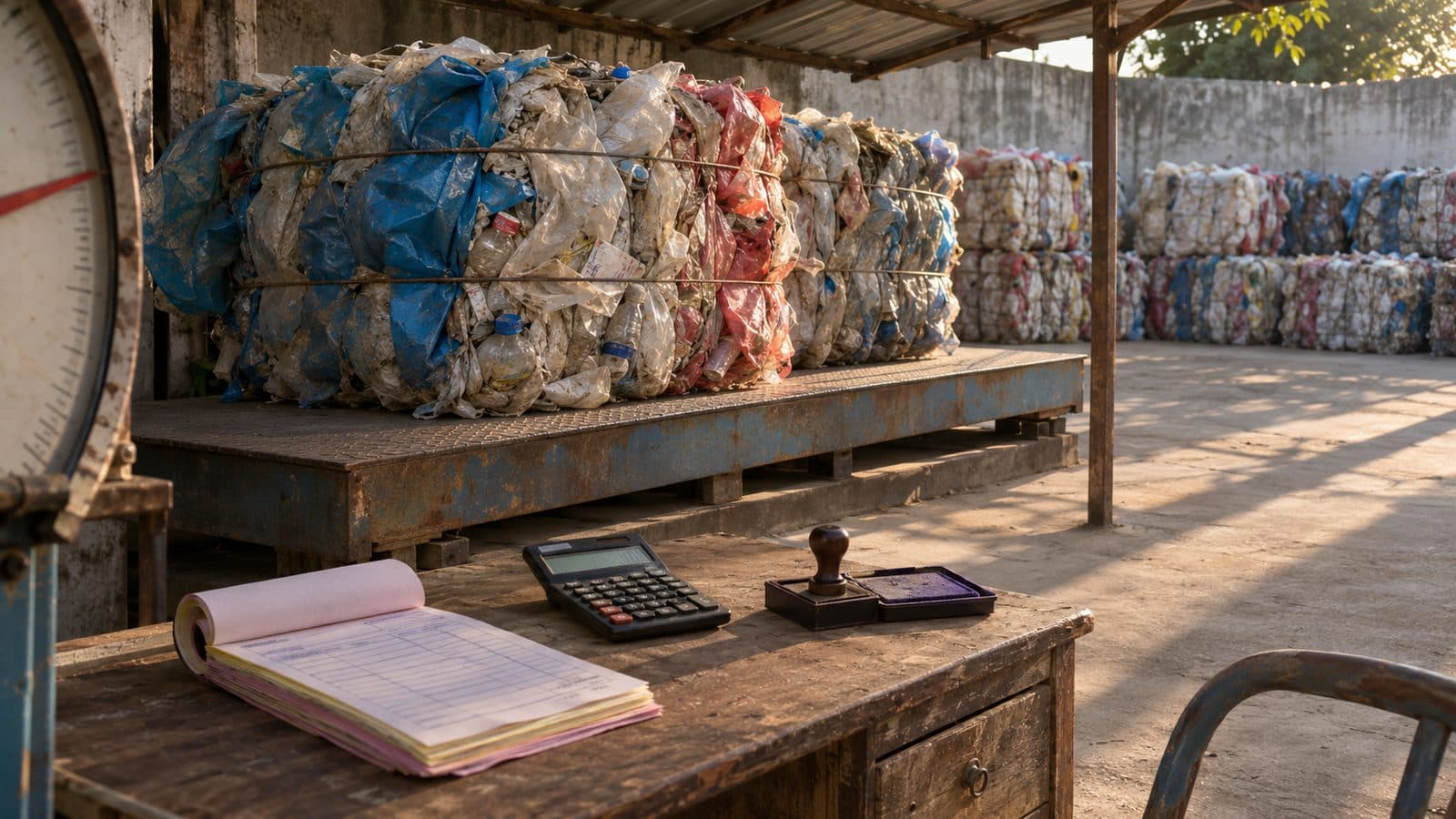
On 1 November 2026, three CBIC notifications changed how plastic waste and scrap is taxed. Buy from an unregistered supplier and you now pay the GST yourself, in cash, at 18%. Buy from a registered one and you deduct 2% at source instead. From 1 January 2027 every purchase from an unregistered supplier also needs an e-invoiced self-invoice. The paperwork, not the rate, is what will reshape who sells plastic scrap in India.
Editor’s PickTechnology·6 Nov 2026·9 min·Lithium-ion, Nickel
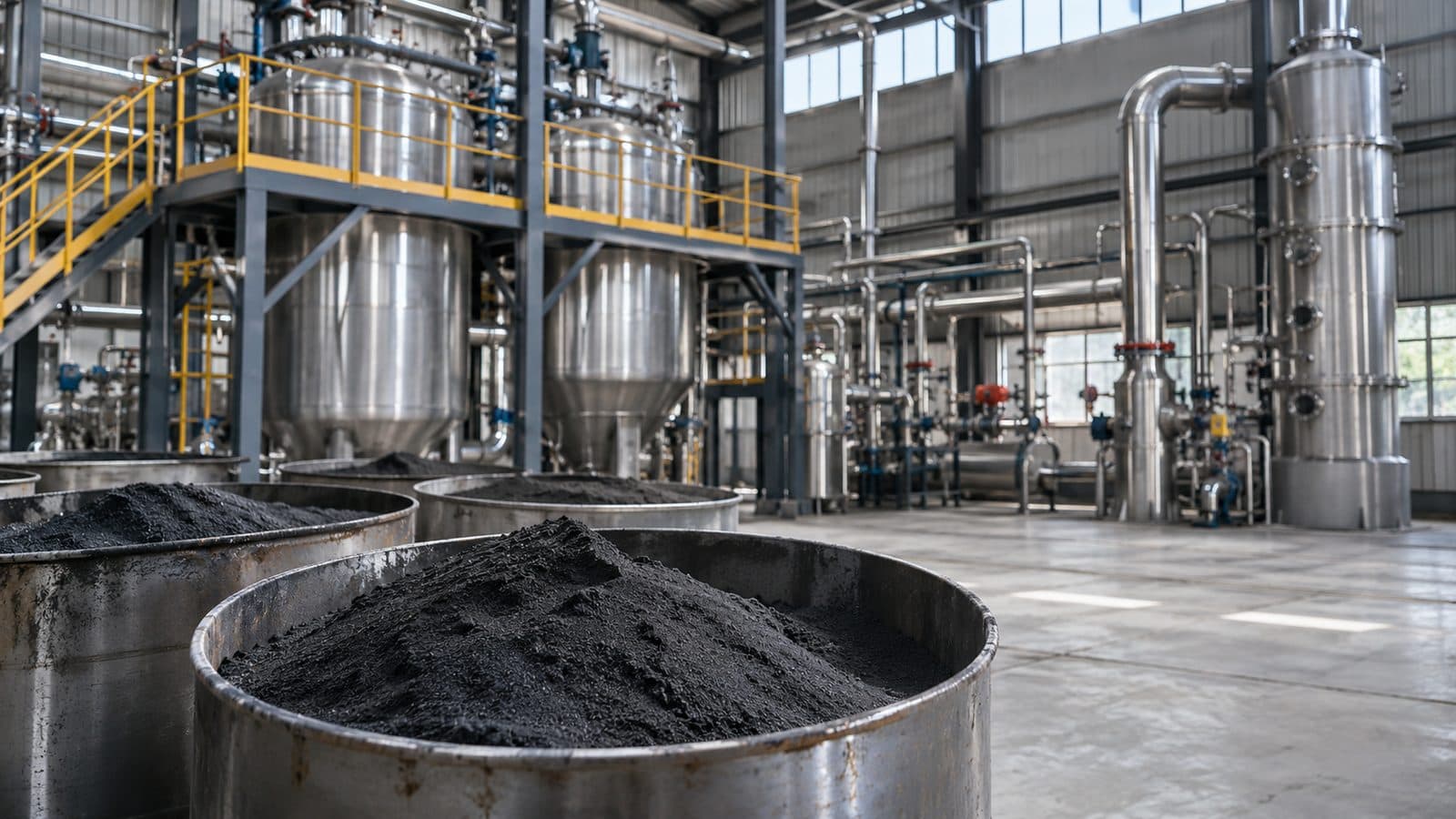
On 9 November 2026, Europe's hazardous-waste code for black mass starts to apply, closing its export for recovery to countries outside the OECD. The US and India have already put gates of their own on the same powder. India's critical mineral recycling scheme pays for the metals that are extracted, not for black mass alone, while payables for the powder sit near the low end of their range for the twelve months to 5 November 2026. Shredding is the half of battery recycling that India has built. Refining is the half that decides who gets paid.
Editor’s PickCompliance·6 Nov 2026·5 min·E-Waste
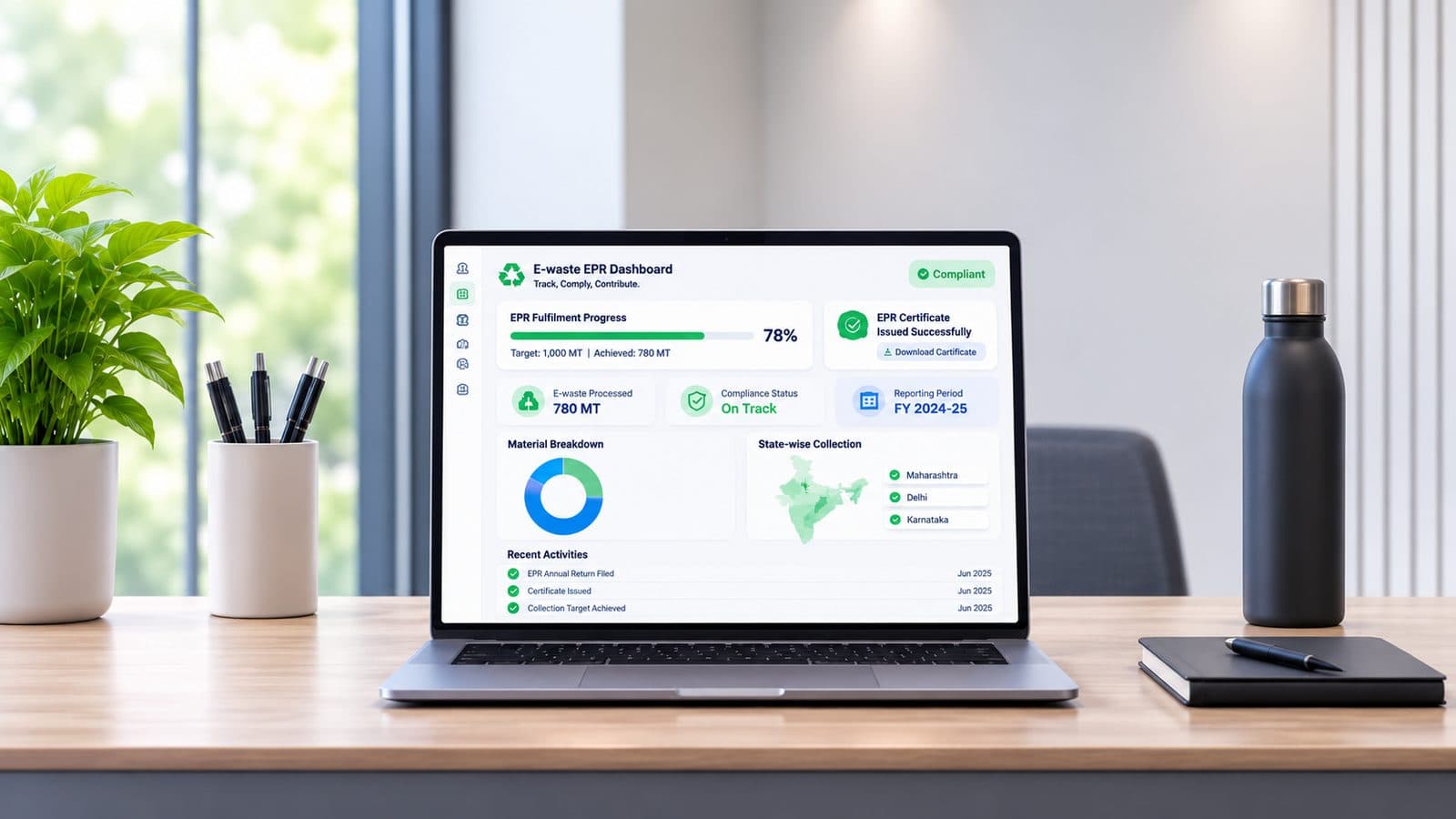
For years, the weak spot in e-waste EPR was the certificate nobody could trace. A CPCB direction dated 7 July 2026 closes that gap. On the E-Waste EPR Portal, a recycling certificate now stands only if a GST e-invoice backs the sale of the recovered metal. If it does not, CPCB calls it a false certificate. For a producer who buys certificates to meet an EPR target, this is the best protection handed to you in a long time.
Editor’s PickIndustry Trends·6 Nov 2026·6 min·Ferrous, Steel, Iron
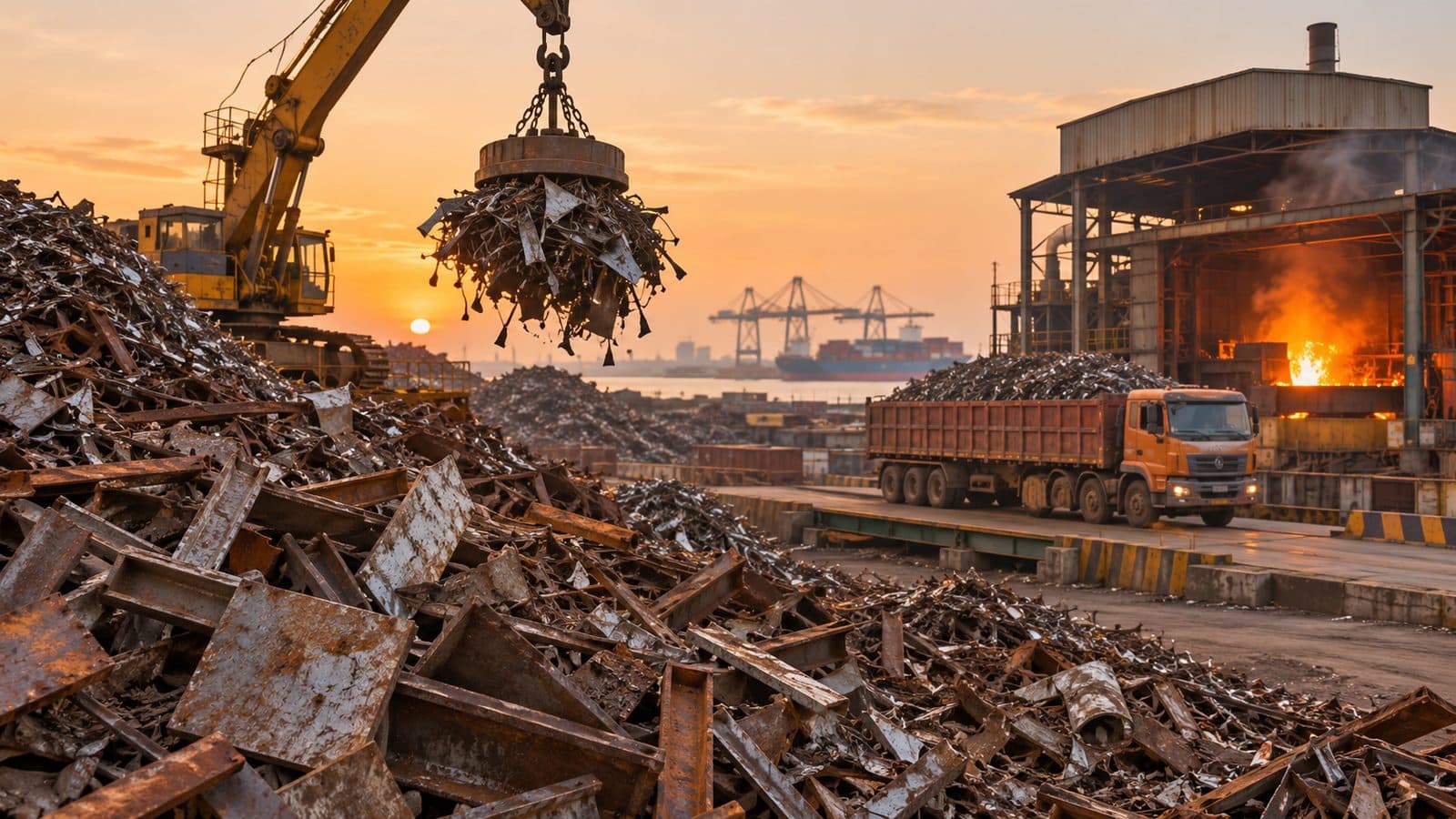
For decades, the price a furnace in Mandi Gobindgarh paid for scrap was really decided somewhere else, in a port in the United States, a yard in Europe, on a ship crossing the Red Sea. In the year to March 2026, that quietly ended. India's mills bought a fifth less imported scrap, home-grown scrap undercut the imported grade by thousands of rupees a tonne, and a global price agency began publishing a daily Indian scrap benchmark for the first time. The feedstock India once had to go abroad for is now cheaper in its own backyard.
Editor’s PickIndustry Trends·4 Nov 2026·3 min·PET
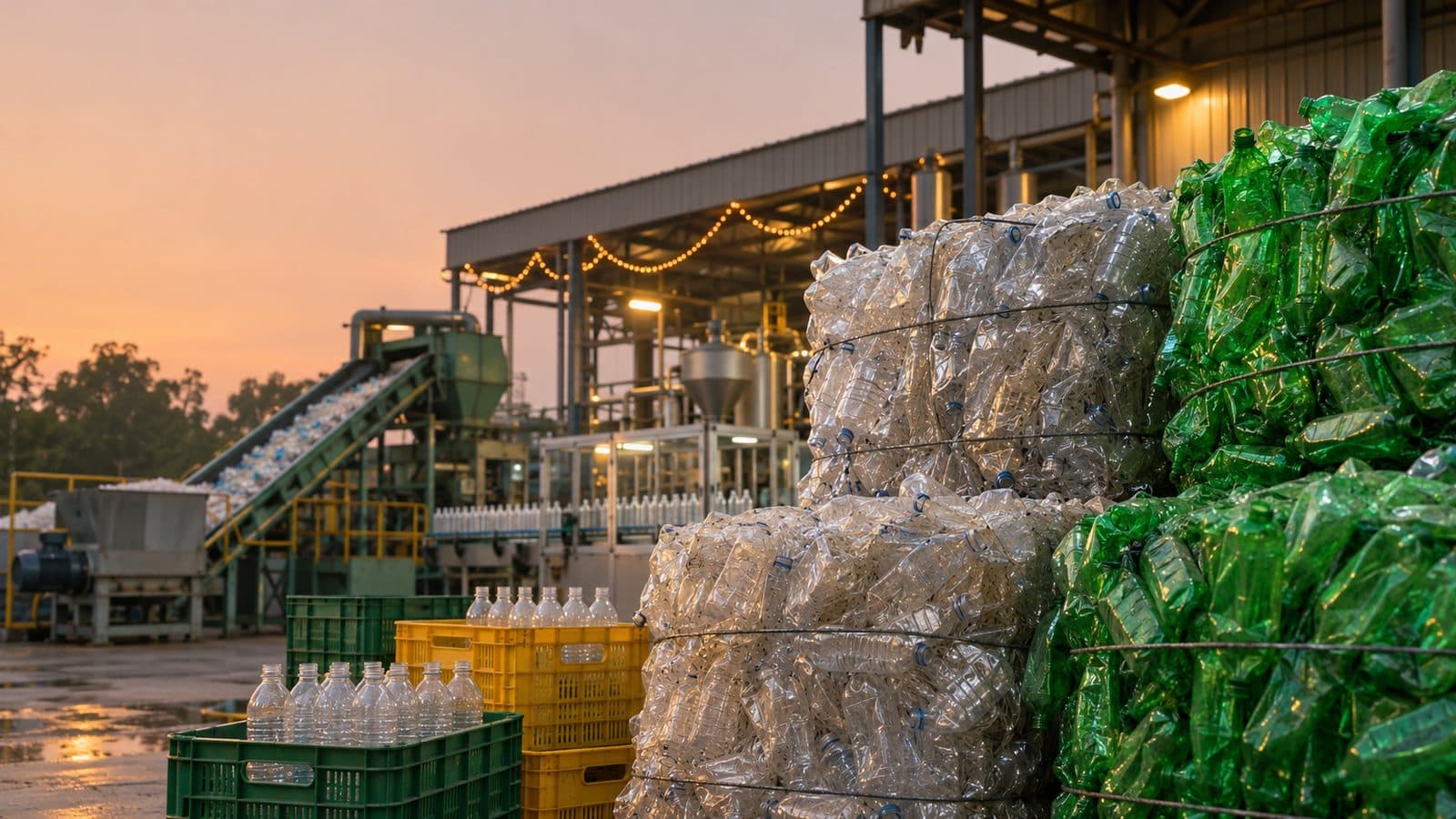
Beverage makers are switching some products to PET bottles as aluminium can supplies tighten. Recykal Times’ internal price intelligence shows that bottle bale prices vary by state, while demand for new packaging does not automatically raise demand for recycled material.
Editor’s PickIndustry Trends·3 Nov 2026·3 min·Ferrous, Steel, Iron
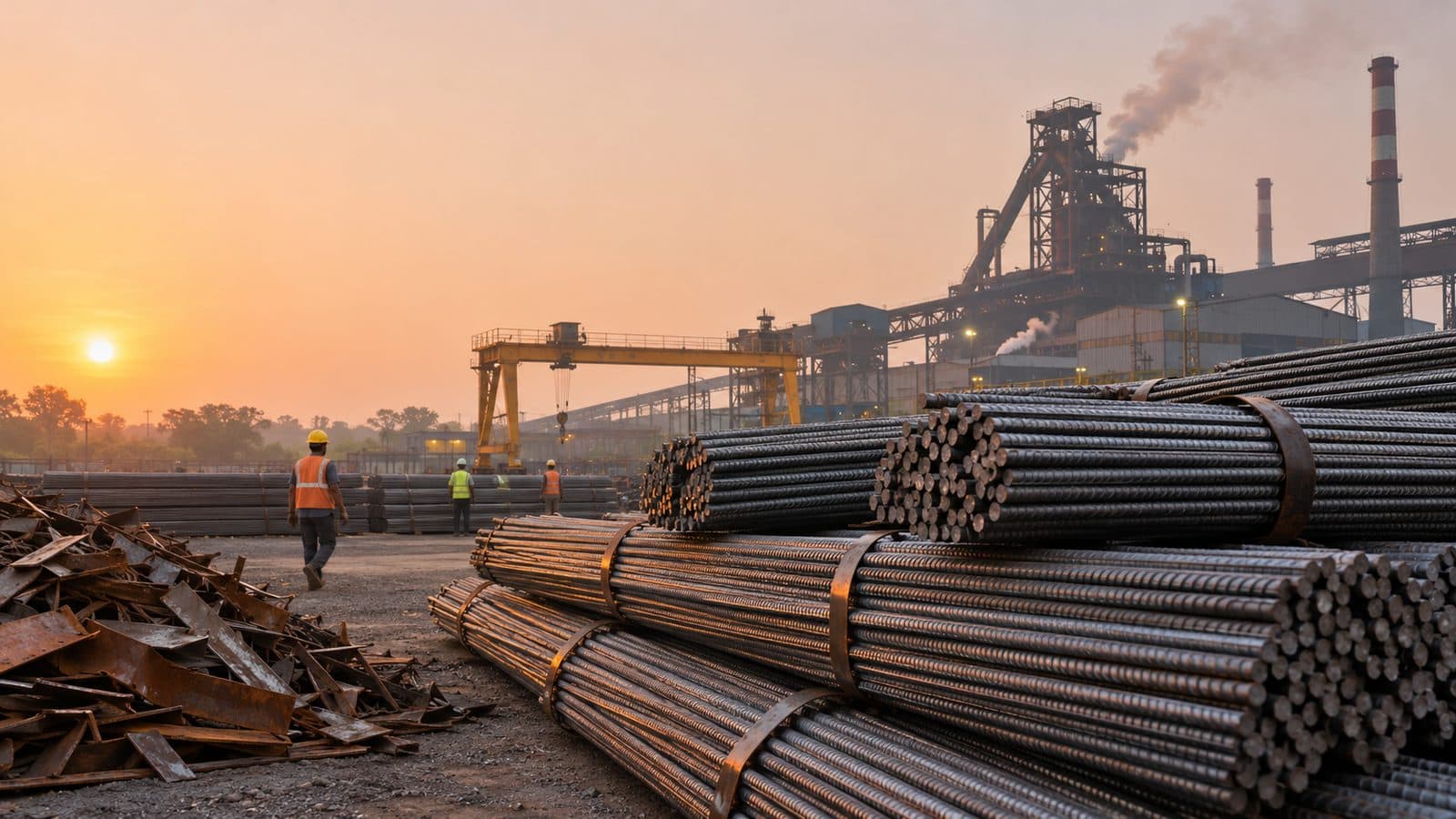
Dated market indications for 3 November show lower Raipur rebar and Mandi HMS scrap, while Mumbai rebar was unchanged. The snapshot suggests the pre-festive market is not moving in one direction.
Editor’s PickIndustry Trends·3 Nov 2026·8 min·Plastic, PET
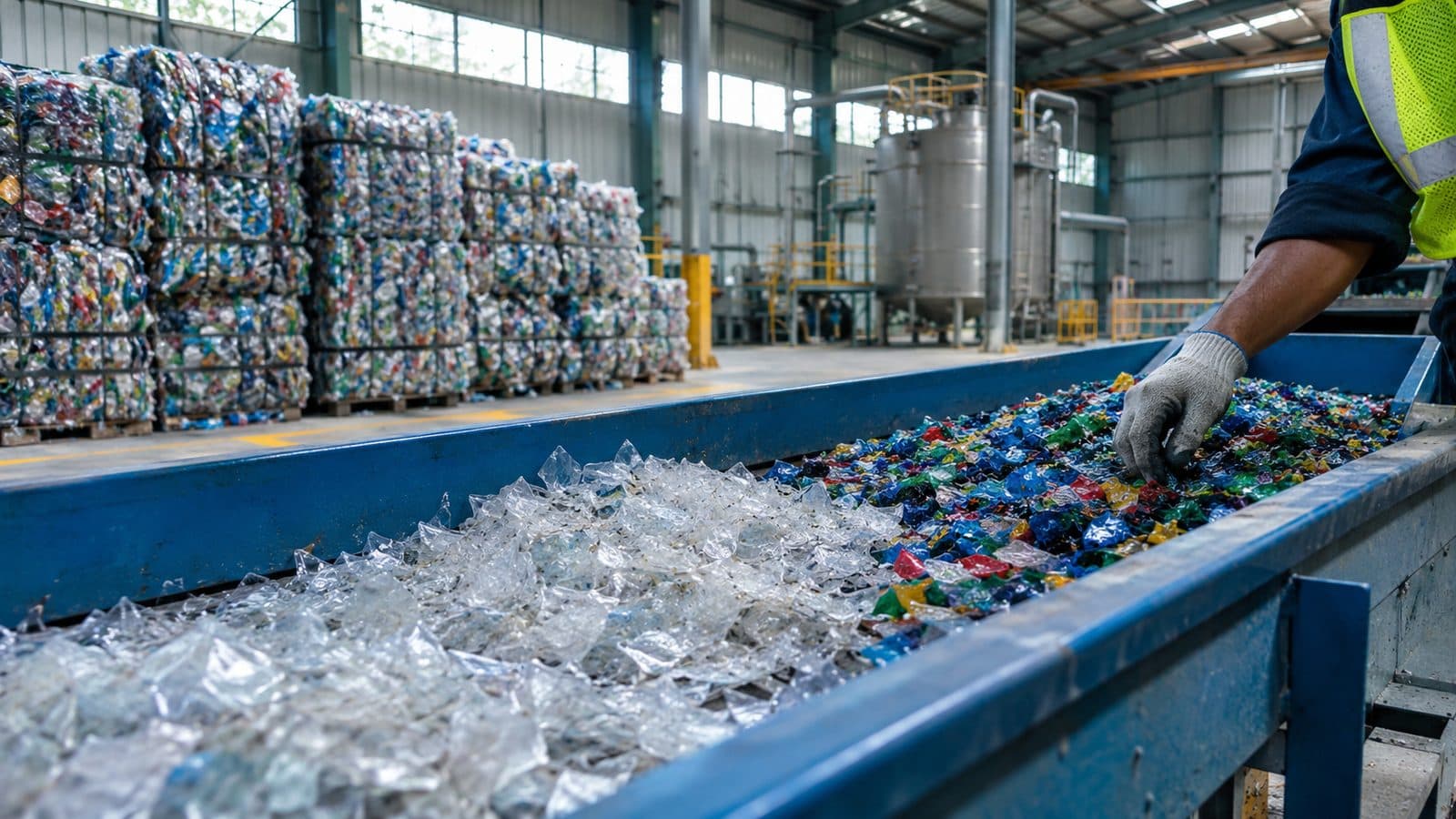
On 15 October 2026, Loop Industries told investors it had shrunk the planned capacity of India's first large-scale PET depolymerisation plant from 70,000 to 45,000 tonnes a year, a 36% cut. Construction has not started. The company's board has formed a committee to weigh a sale. Mechanical recyclers are running ahead, but they cannot eat the coloured, contaminated PET that chemical recycling was supposed to handle. That waste stream just lost its most visible exit.
Editor’s PickGovernment·2 Nov 2026·10 min·Copper
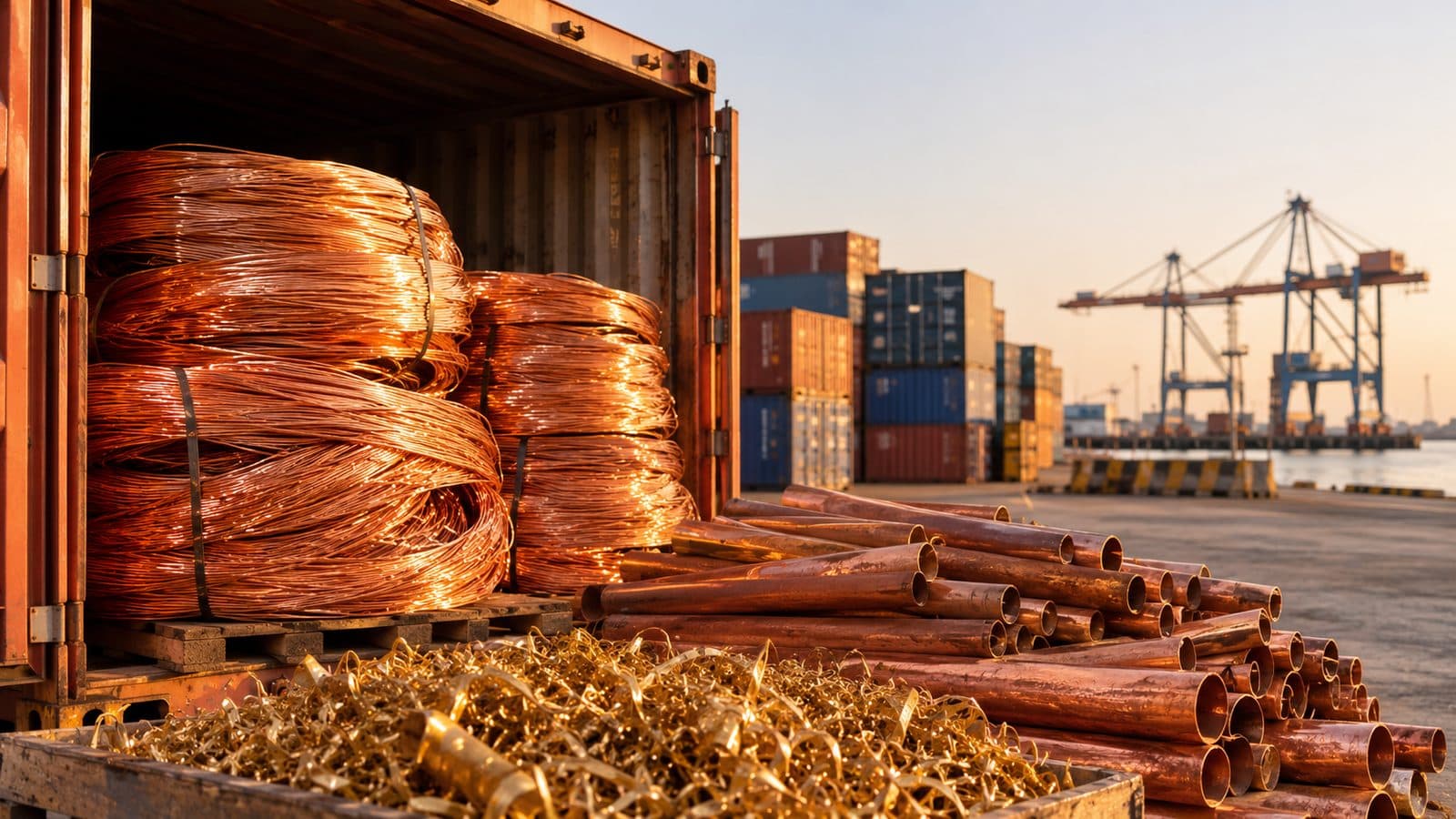
India's copper demand hit a record 2,100 thousand tonnes in 2025-26, and its copper scrap imports jumped about 51% to ₹30,353 crore to help feed it. But the three suppliers that send India the most copper scrap, the Gulf, the United States and the European Union, have each taken steps in 2026 to hold that scrap inside their own borders. For copper and brass recyclers, the message is the same from three directions: the imported tonne is getting harder to count on.
Editor’s PickBusiness Opportunities·30 Oct 2026·8 min·E-Waste
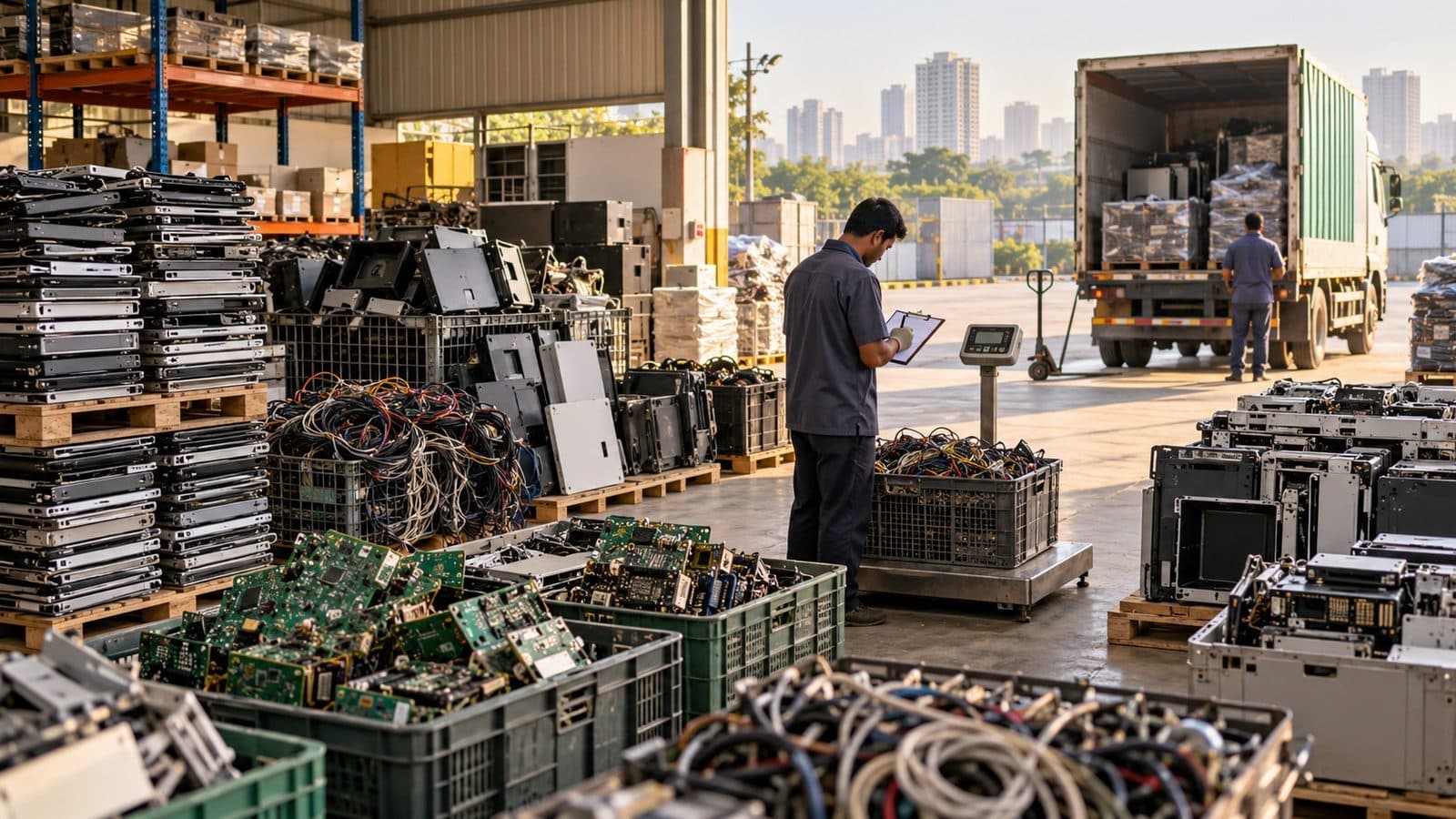
The Mines Minister says recycling can deliver critical minerals years before a new mine opens. India's authorised e-waste recyclers can process close to three times what they actually handled in 2023-24. And most of the material still sits with the people who collect it. That gap is a business, and the people standing in it are not the ones the headlines usually talk about.
Editor’s PickCompliance·29 Oct 2026·6 min·Plastic, PET
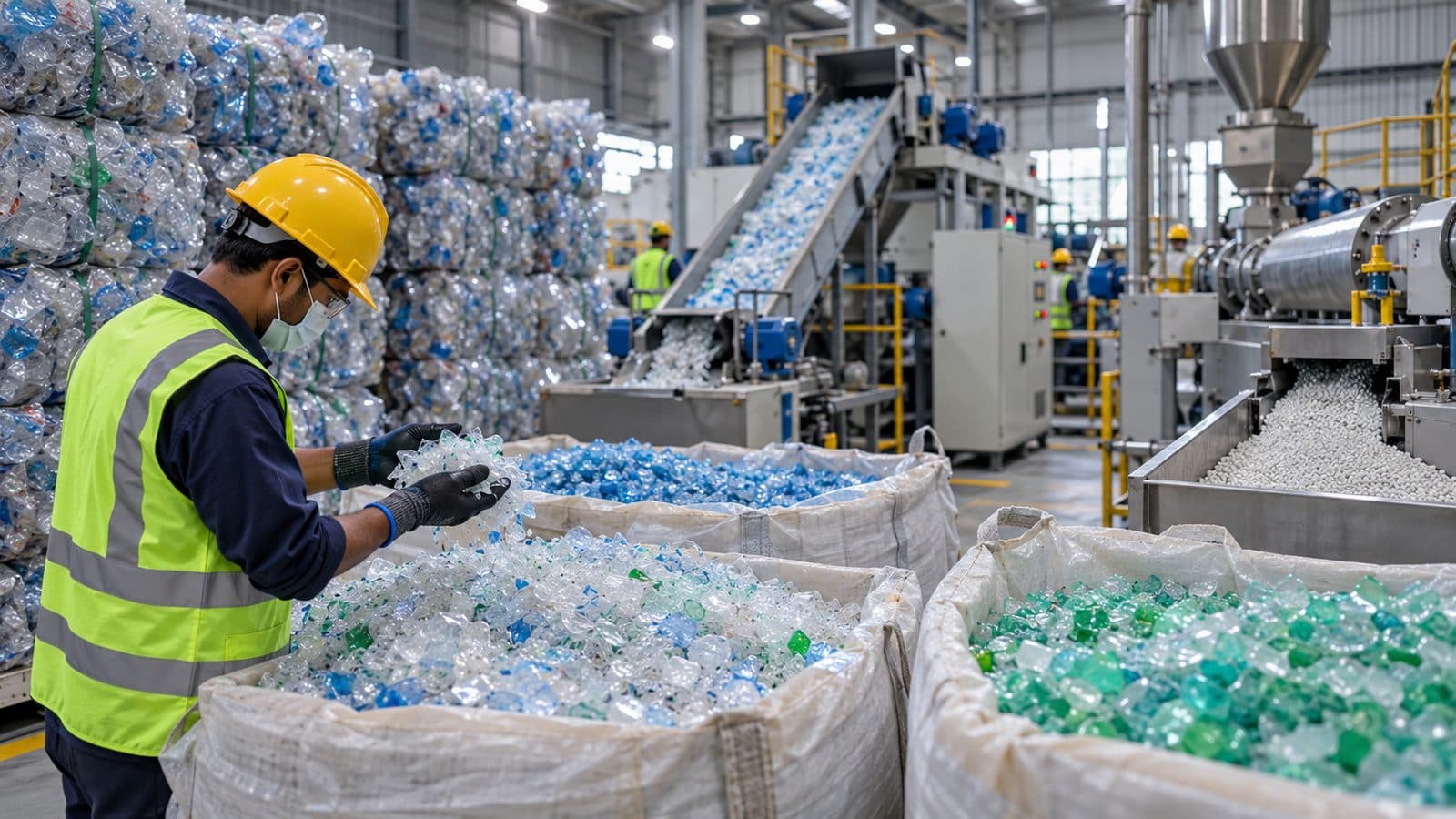
India's 2026 plastic rules now force brands to put 40% recycled content in rigid packaging this financial year, rising to 60% by 2028-29. That is a standing order to buy your recycled plastic. But the system meant to verify those claims, registered auditors and a CPCB guideline that was due around September 2026, has not fully arrived, which makes auditable, standard-grade recycled output the thing worth paying for.
Editor’s PickCompliance·29 Oct 2026·11 min·Battery, Lithium-ion, Lead Acid
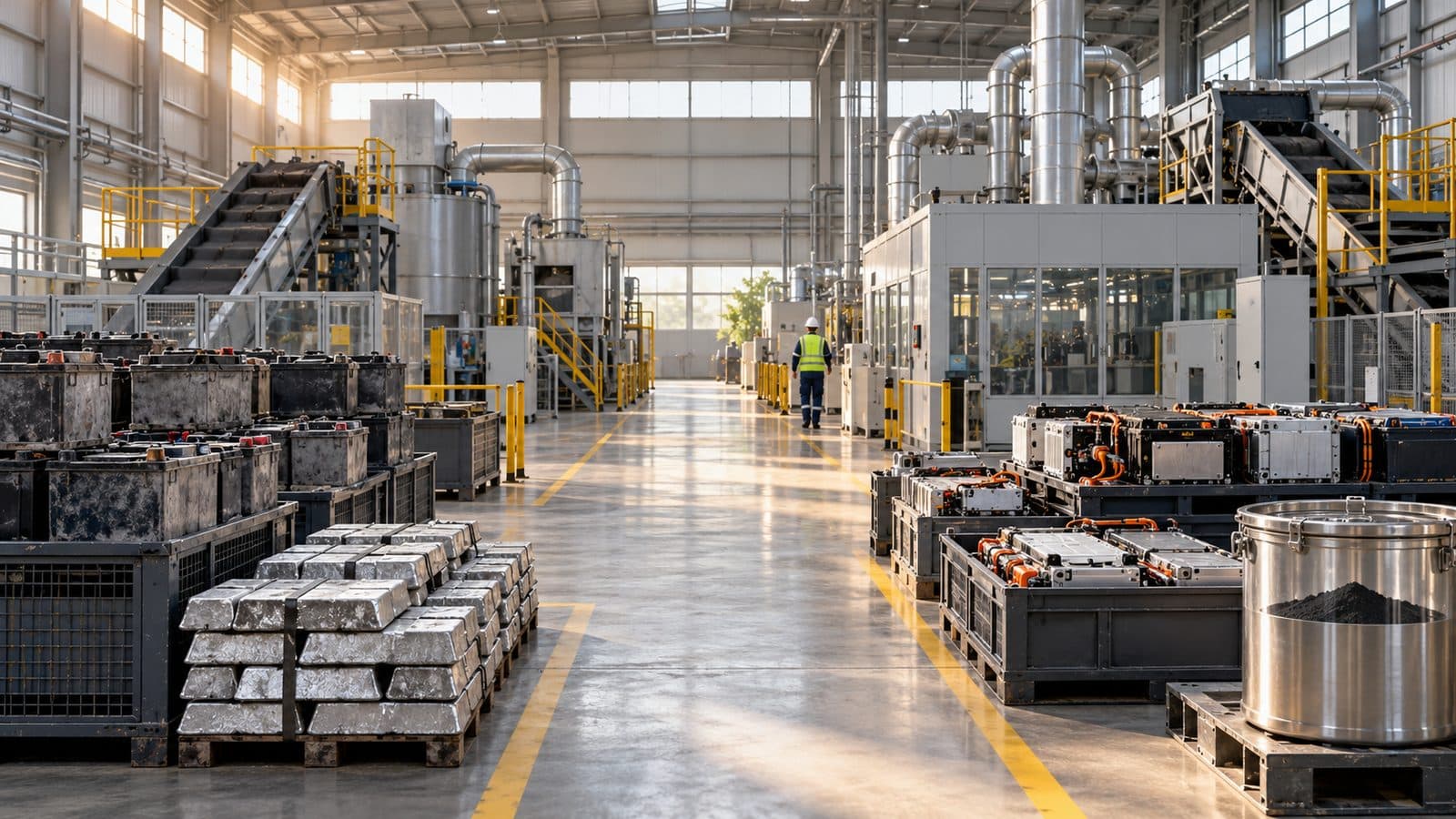
India has one national EPR system for waste batteries, but it does not have one functioning certificate market. A 29 October 2026 snapshot of CPCB’s public dashboard shows a deep pool of lead credits and a remarkably small pool of lithium credits. For battery brands, the compliance question is no longer simply whether certificates exist, but whether the correct metal-specific certificate exists when it is needed.
Compliance·27 Oct 2026·9 min·Plastic, Metal, Battery, E-Waste, Paper
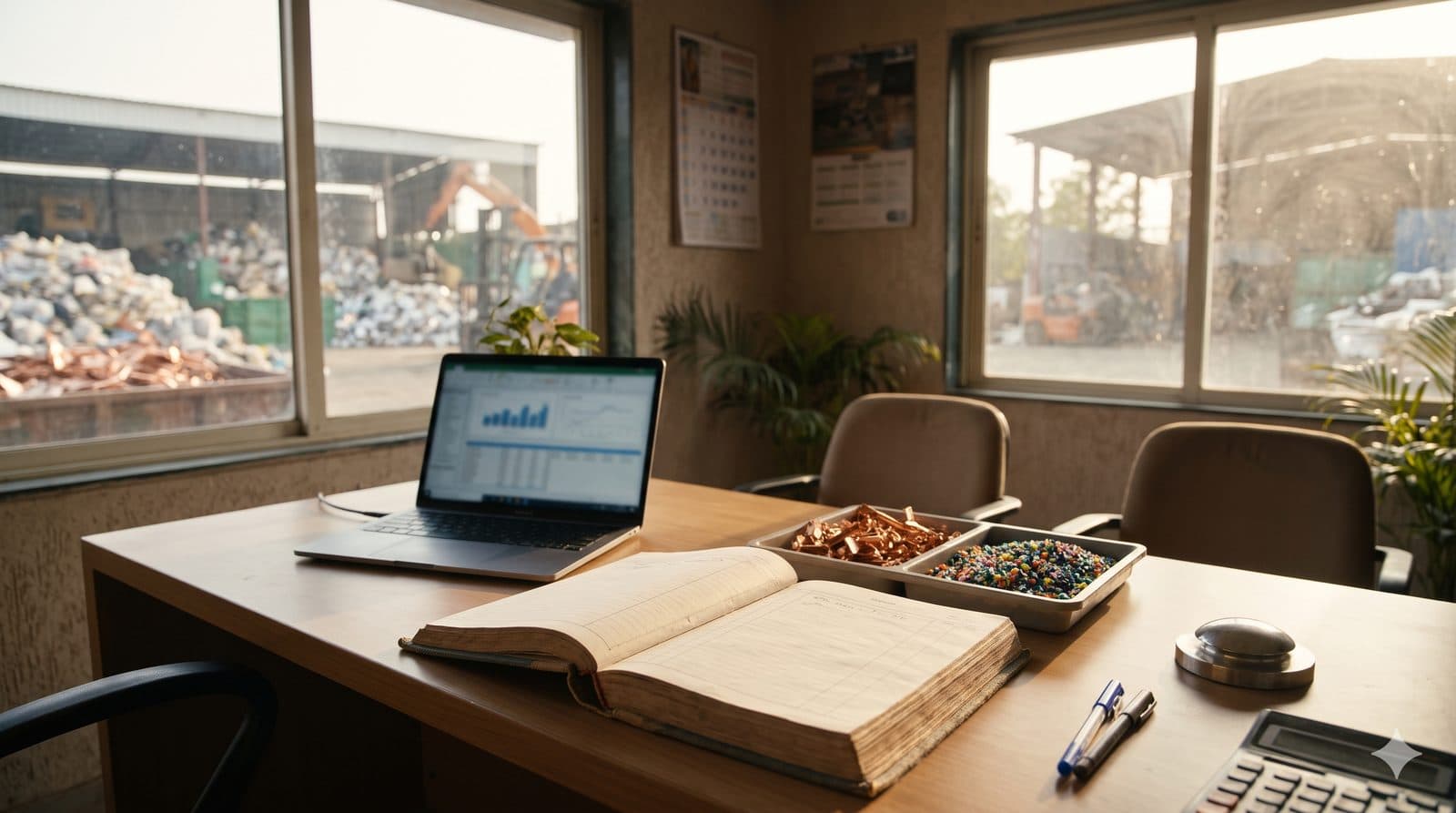
On 16 October 2026, GSTN opened the e-Invoicing system to recipient-generated self-invoices under the Reverse Charge Mechanism (RCM) for taxpayers with an Aggregate Annual Turnover (AATO) of ₹5 crore and above. Two new supply type codes now sit in the e-Invoice schema: RCMDOM for domestic purchases from unregistered sellers, and RCMIMP for import of services from suppliers outside India. Knowing which code fits which purchase bill decides how your accounts team generates the Invoice Reference Number (IRN).
Editor’s PickGovernment·26 Oct 2026·6 min·Metal, Non-Ferrous, Aluminium
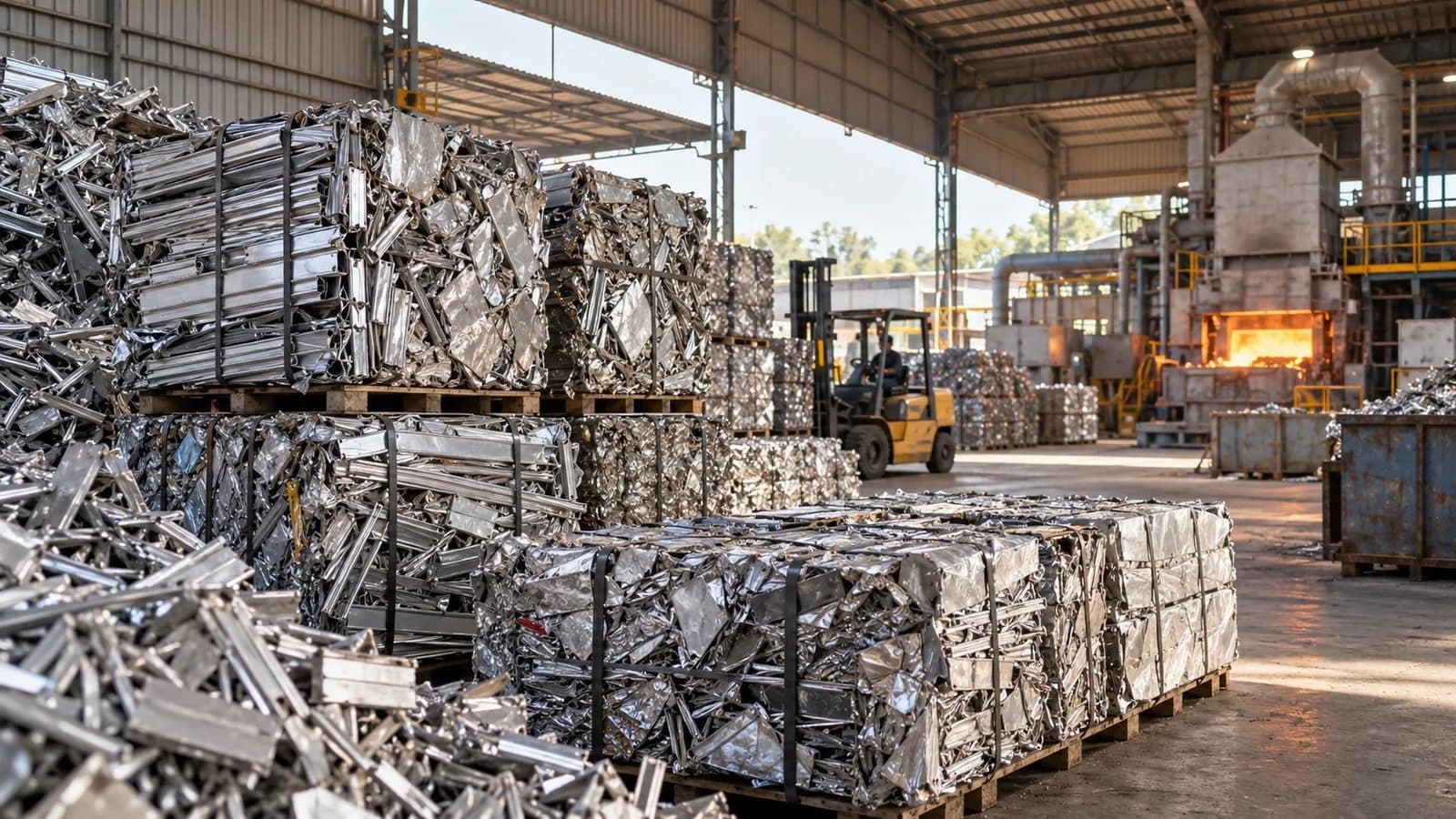
Aluminium scrap is the only major base-metal scrap India still charges an import duty on, after copper, zinc and lead went to nil. Two industry bodies now want that 2.5% changed in opposite directions, and the decision lands at the February 2027 Budget. If you import, trade or remelt aluminium scrap, this fight sets your landed cost for the next year.
Editor’s PickCompliance·26 Oct 2026·6 min·Battery, Lithium-ion, Lead Acid
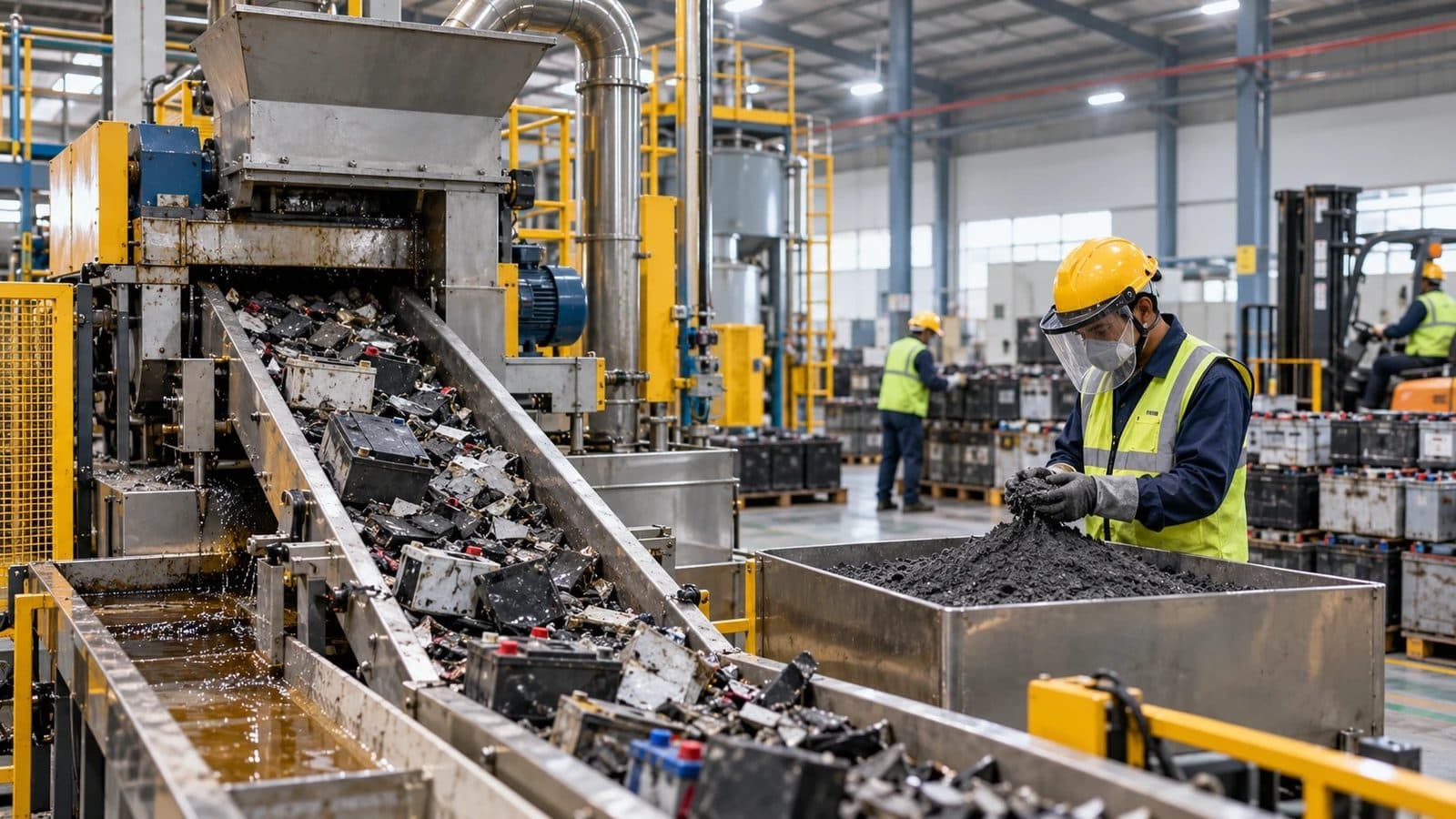
CPCB's 2026 battery recycling guidelines do two things that change who gets to stay in the trade. They put manual acid-battery breaking on a hard clock, and they sort lithium recyclers into licensed tiers around "black mass", the halfway product that is quietly becoming the industry's new unit of value.
Editor’s PickIndustry Trends·25 Oct 2026·7 min·Biomass & Crop Residue
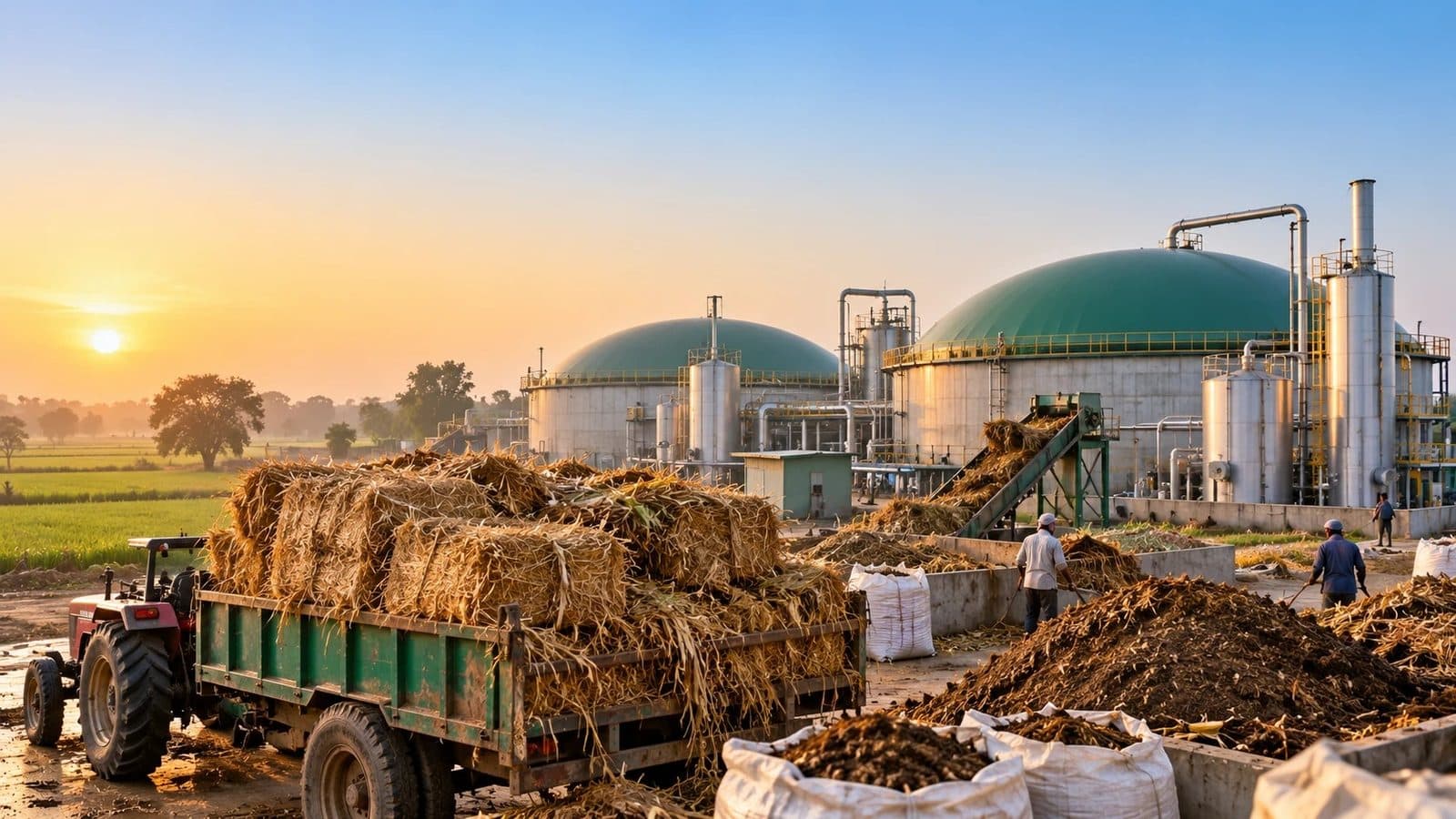
From 2025-26, every city-gas company in India must blend compressed biogas (CBG) into the CNG and cooking gas it sells, starting at 1%, rising to 3% in 2026-27 and 5% by 2028-29. That demand is law, not hope. But only about 217 CBG plants are running against a target of 5,000, and the government's own reading is blunt: the thing holding CBG back is feedstock aggregation. Big money is now rushing in, Petronet LNG just put ₹1,200 crore into ten new plants, and every one of those plants will live or die on a steady supply of the crop residue, cattle dung, press mud and wet market waste that you handle. For once, the scarce link in the chain is not the buyer. It is the supplier.
Editor’s PickCompliance·24 Oct 2026·7 min·E-Waste
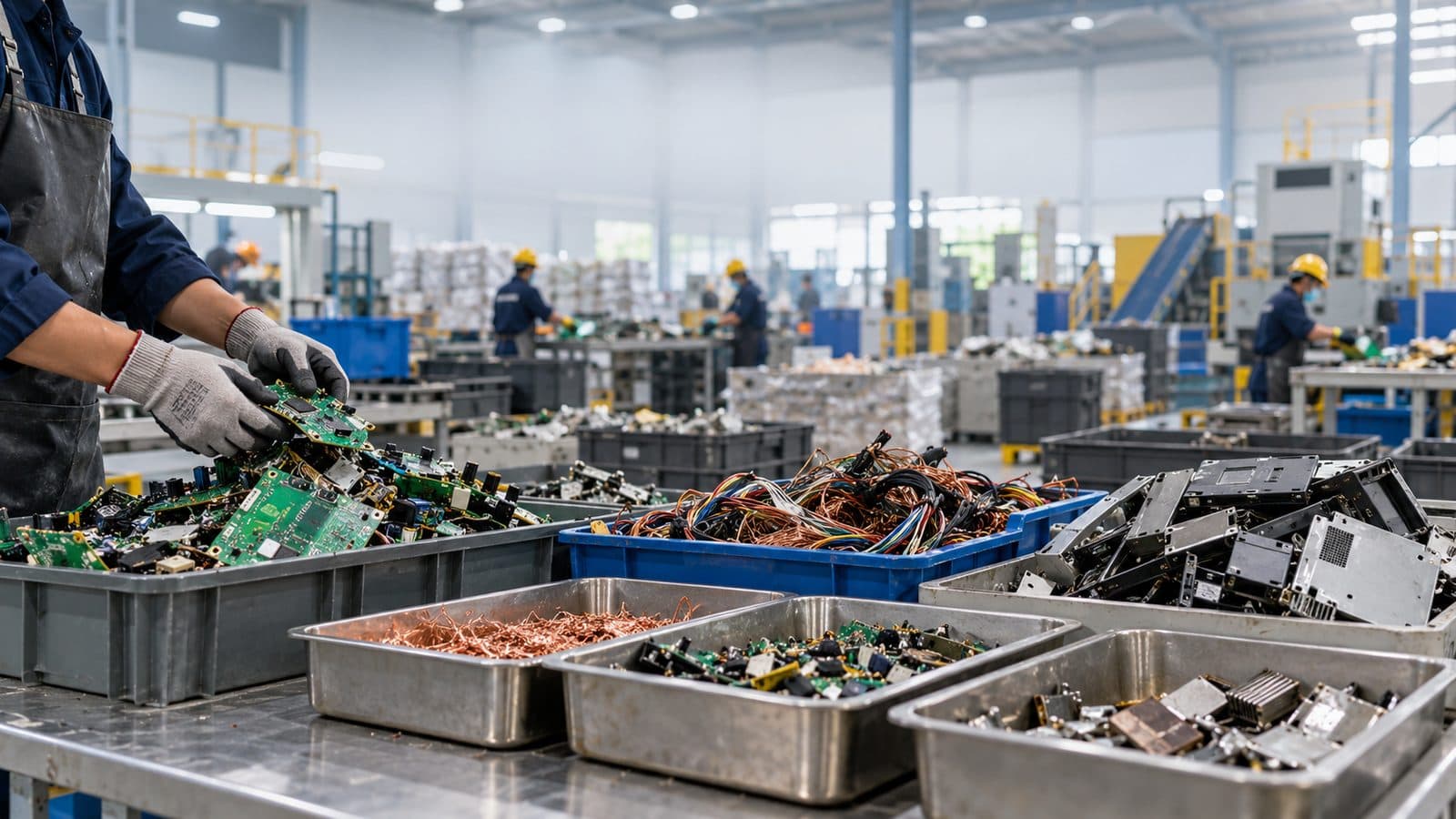
The government fixed a floor price for e-waste recycling certificates, 30% of the environmental compensation for dodging the rule, which works out to ₹22 a kg for consumer electronics and ₹10 to ₹41 across other categories. That floor is what lets a registered recycler pay a real rate for your old TV or laptop instead of a race-to-the-bottom price. On 22 October 2026 the Environment Minister called for "coordination between producers and recyclers." In e-waste, that coordination is a court fight: Samsung, LG, Havells, Daikin and Voltas have asked the Delhi High Court to strike the floor down and let the market set the price. For the collector and the recycler, the whole economics of doing it the legal way rests on how that case ends.
Editor’s PickIndustry Trends·22 Oct 2026·8 min·Plastic
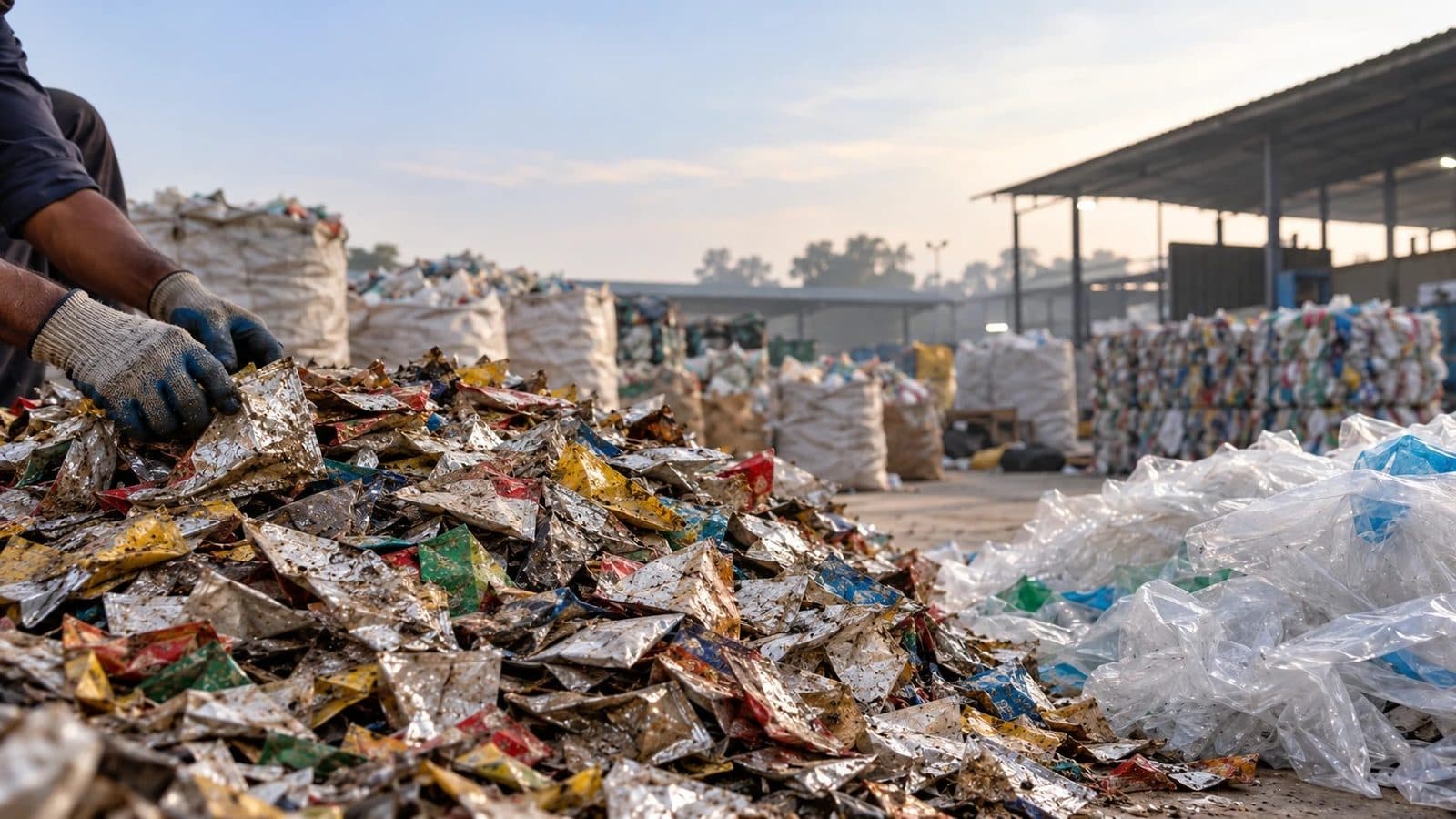
Multi-layered plastic, the foil-lined sachets and pouches that hold shampoo, ketchup, gutka and milk powder, is about 21% of India's plastic waste by the government's own composition data, yet it is the one stream the scrap market barely touches. A collector earns almost nothing for it, because the layers cannot be cleanly separated and the money recovered hardly covers the cost of picking, moving and sorting it. A fresh survey shows the squeeze: Indians say they would pay more for sustainable packaging, the most willing of any country, but at the shop the cheapest sachet still wins. What is changing is not the scrap value. It is who pays, and the answer, increasingly, is the brand, through EPR.
Editor’s PickGovernment·21 Oct 2026·12 min·Ferrous, Steel, Aluminium, Copper
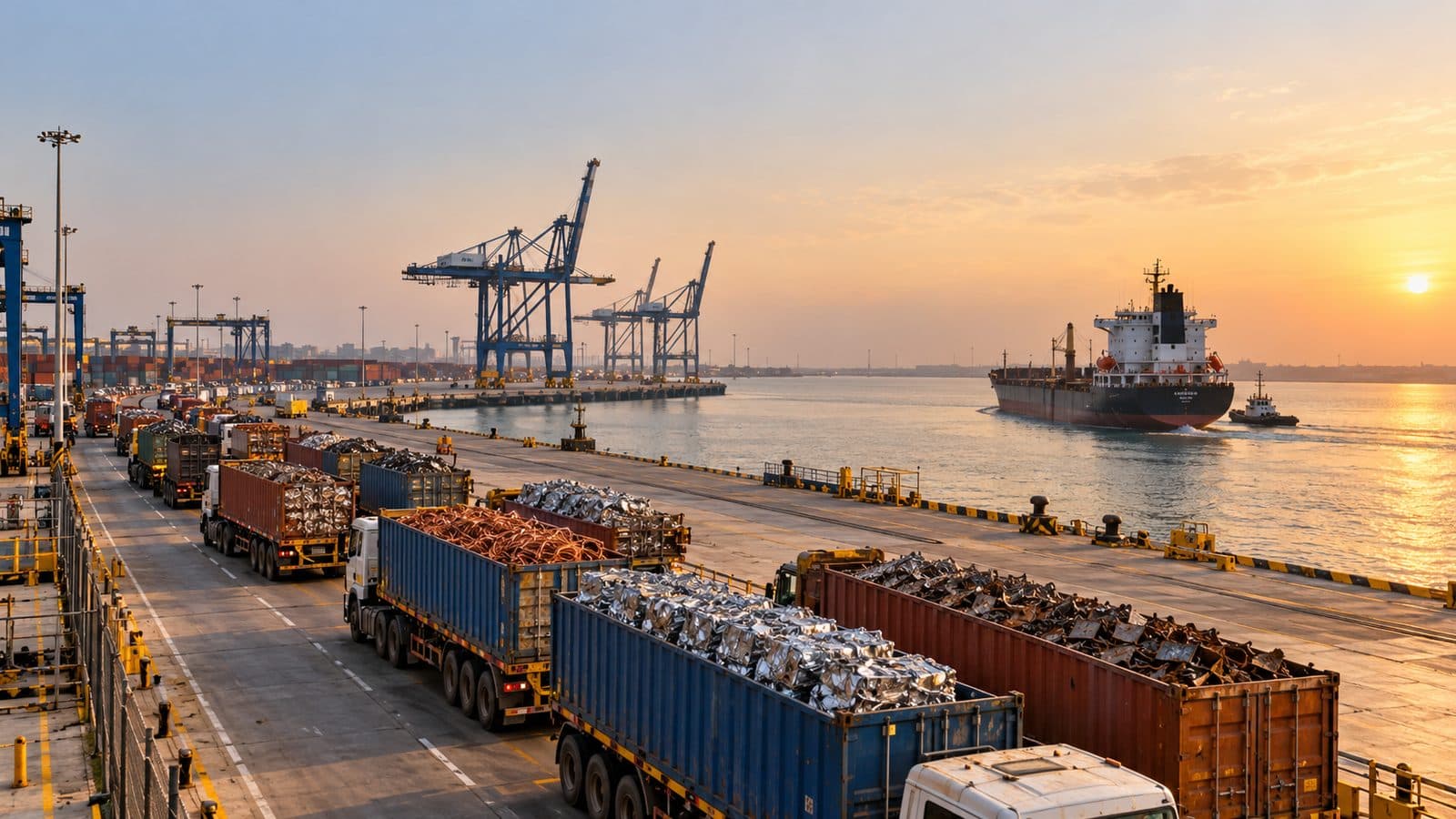
A DGFT notice dated 21 October 2026 lets certificate-free scrap from six safe regions enter India through 11 ports instead of 8, and be cleared at inland container depots. Official trade data show those six regions supplied about half of India's ₹1.17 lakh crore metal scrap import bill in 2025-26. The European Union, about a third of that flow, has proposed stopping metal scrap exports to India from 21 May 2027, and its final list is due by 21 November 2026.

Editor’s PickIndustry Trends·20 Oct 2026·5 min
National heavy melting scrap (HMS) fell 3.9% on our price page from 5 to 19 October 2026, from ₹38.60 to ₹37.10 a kg, and a public market report shows Mandi falling 3.8% in the week to 16 October. Diwali is on Sunday 8 November. We went back through public trade reports for the three earlier festivals. In each, prices were soft in the weeks before Diwali. What came after was different every time: a strong rebound in 2024, a weak one in 2025 and none in 2023. Four festivals are too few to call a rule, but they show what a yard can and cannot count on.