Editor’s PickIndustry Trends·19 Oct 2026·8 min·E-Waste
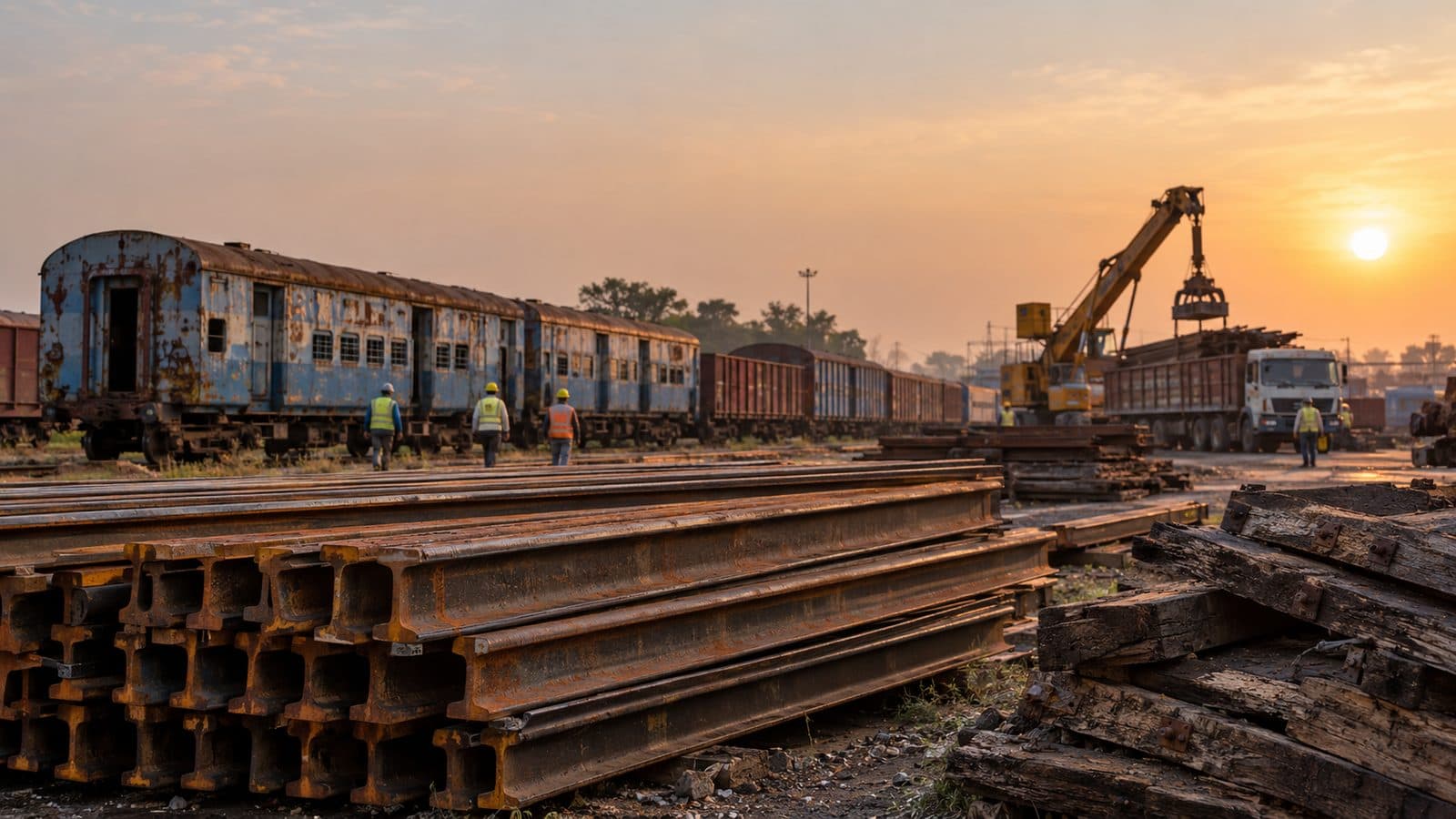
On 19 October 2026, the government said its office clean-up campaign had earned ₹491.28 crore from scrap since 2 October. The figure was ₹304.72 crore at the same point in 2025. Of that, ₹425.06 crore came from the Ministry of Railways, about 86% by our estimate. Railways also sells scrap all year. It reported more than ₹6,700 crore for 2025-26, which is more than the ₹5,102.91 crore the campaign has reported across five years and all ministries. The lots include cut rail, old sleepers, locomotives, coaches, wagons and a small amount of e-waste. This is what is being sold, how the sales work, and where to find open lots on our Auctions page.
Editor’s PickIndustry Trends·18 Oct 2026·7 min·Plastic, PET
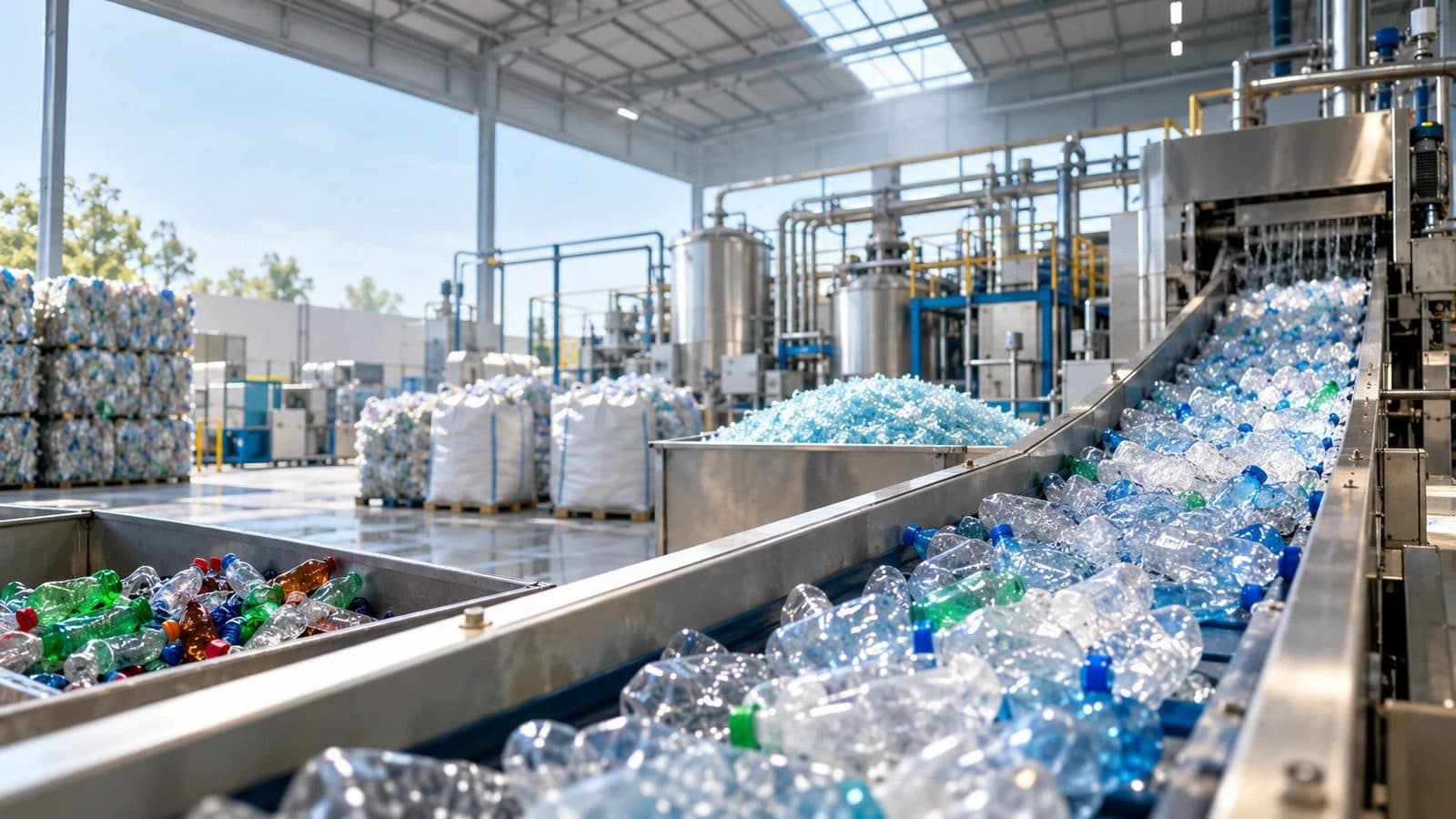
On 15 October 2026, the country's largest PET recycler cleared its fourth food-grade recycled-PET line, part of a wave of capacity built to meet the rule that food and drink brands must use 40% recycled plastic in 2026-27. India now has about 17 FSSAI-approved food-grade rPET plants with roughly 3 lakh tonnes a year of capacity, heading towards an estimated 7.5 lakh tonnes by March 2027. But a food-grade plant cannot run on just any bottle. It needs clean, clear, well-sorted PET, and that is exactly the material the collection chain is worst at supplying. The bottleneck is no longer plants. It is feedstock.
Editor’s PickIndustry Trends·16 Oct 2026·7 min·Ferrous, Aluminium, Copper
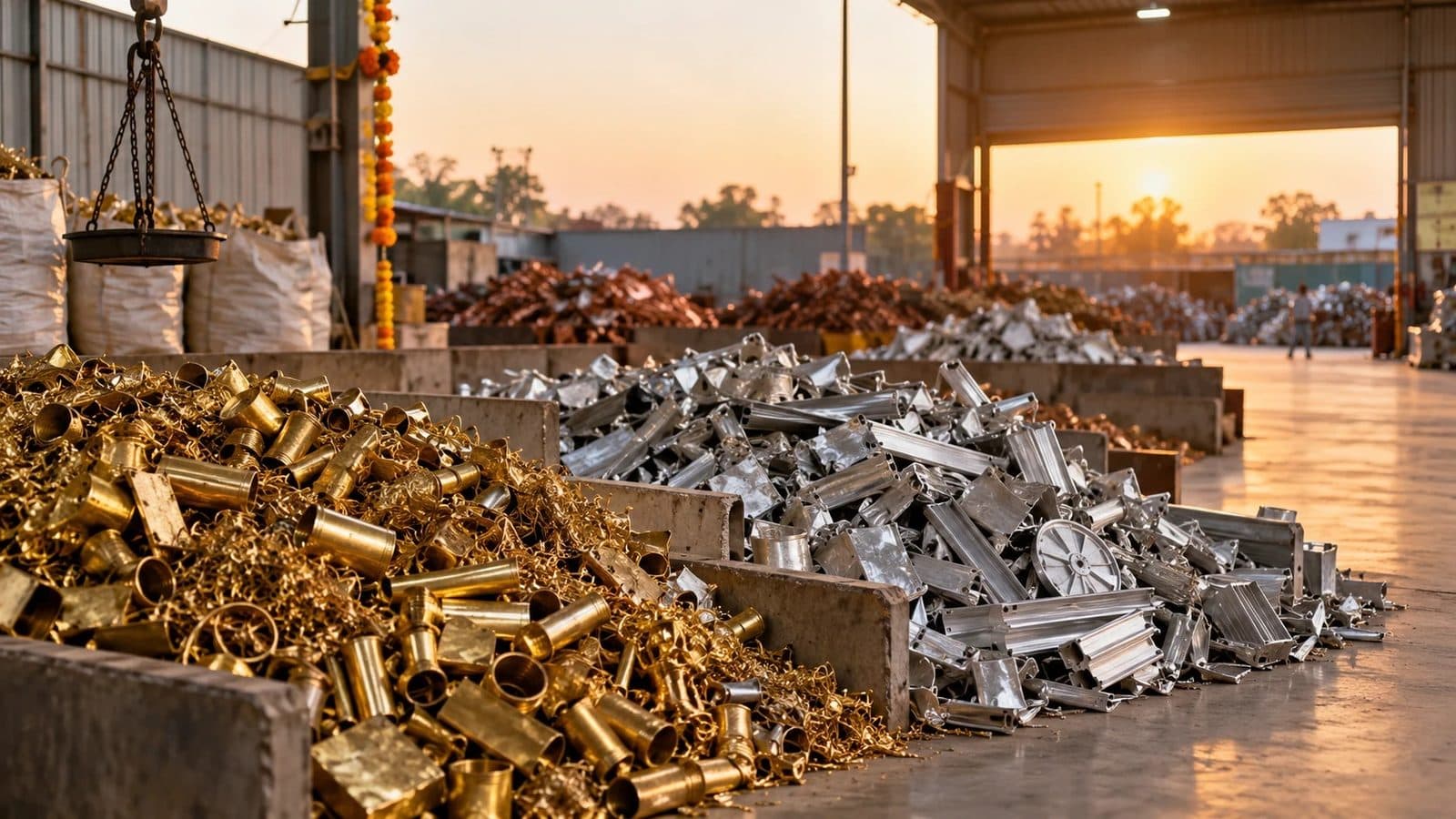
In the week to 15 October 2026, brass scrap in Delhi and Jamnagar fell by ₹35 to ₹54 a kg and aluminium alloy ingot slipped about 2%, as downstream factories went quiet before Diwali on 8 November. The telling part is that it happened even where global metal moved the other way: LME copper rose about 1.2% over the fortnight while Indian brass scrap dropped, because the price you get in mid-October is set by local festive demand, not the exchange. Steel scrap, by contrast, barely moved. For dealers sitting on clean non-ferrous scrap, this is a holding decision, not a distress sale.
Editor’s PickCompliance·16 Oct 2026·11 min·Rubber, Tyre
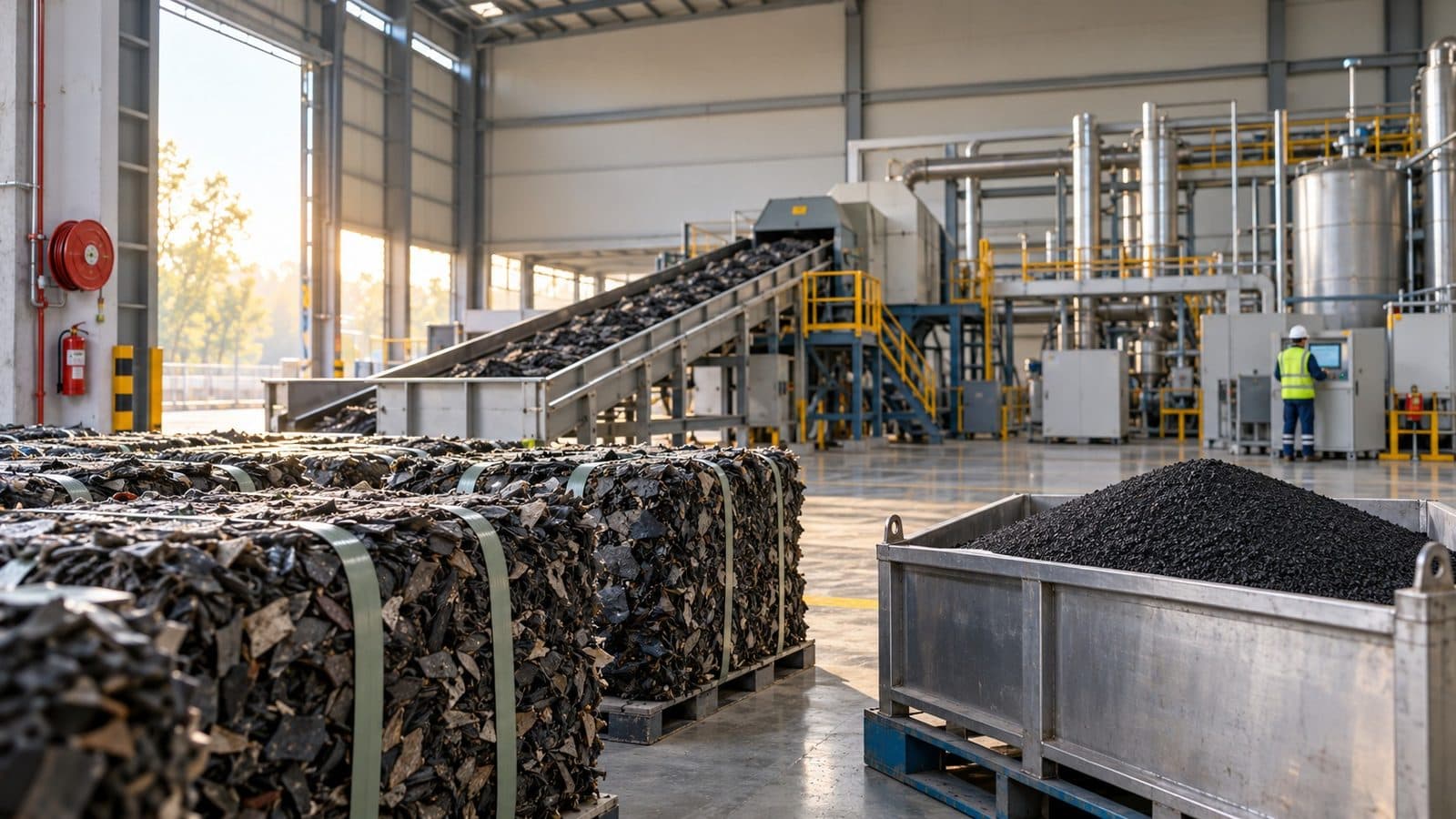
India's latest waste-tyre import decision recommends 288,219 tonnes across 23 applications. But 91,479 tonnes, nearly one-third of the total, is linked to further EPR verification or CPCB checks. The message for importers, recyclers and tyre brands is clear: capacity may open the gate, but only a consistent trail from import to production, sale and certificate can keep it open.
Editor’s PickGovernment·15 Oct 2026·11 min·Biogas & CBG, Biomass & Crop Residue
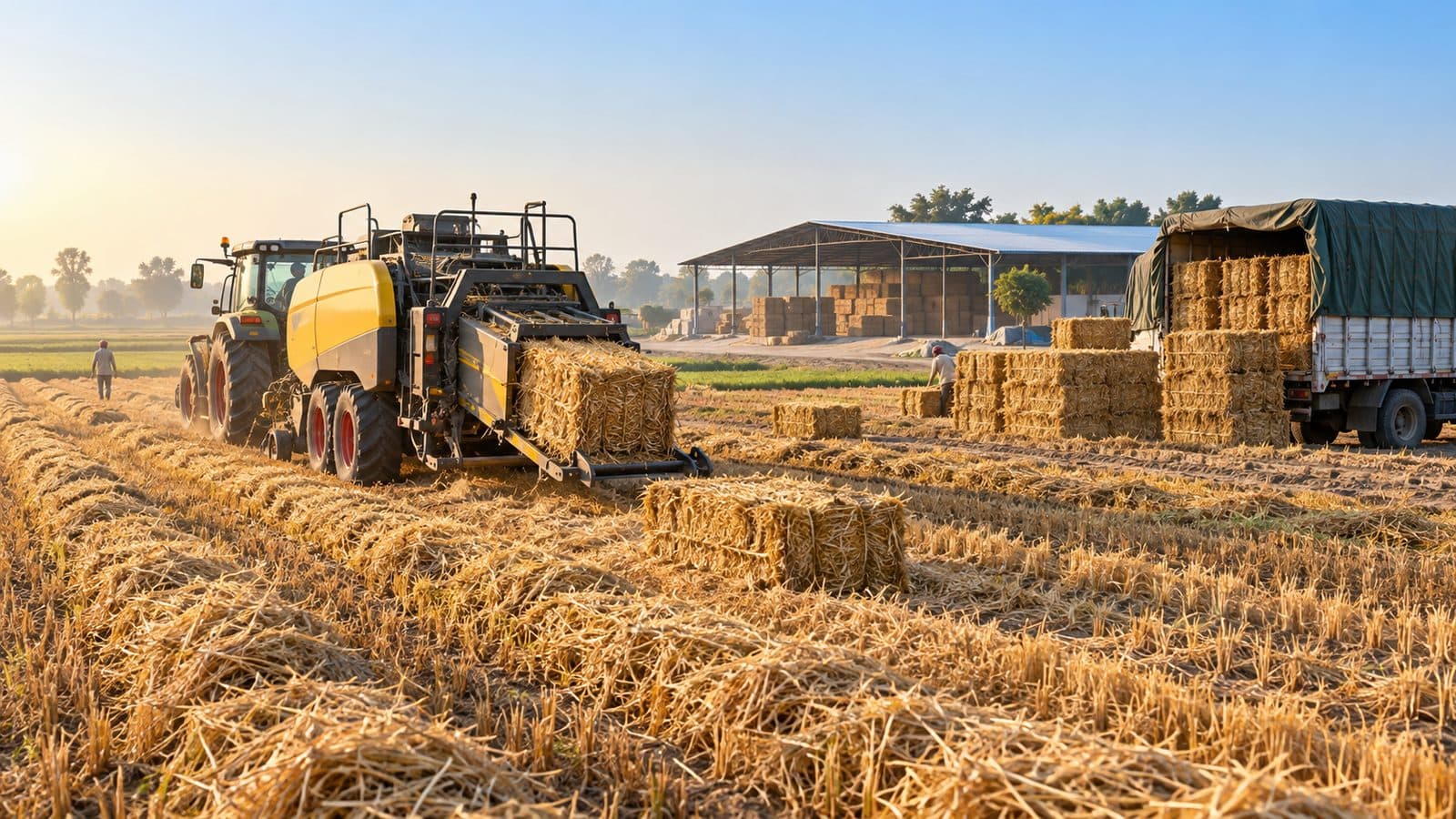
India's newest satellite bulletin recorded 778 paddy-residue fires across seven monitored jurisdictions from 15 September to 14 October 2026, about 35% more than in the same period of 2025. Haryana and Uttar Pradesh improved sharply, but Punjab moved above last year's pace, Rajasthan more than doubled and Madhya Pradesh more than tripled. After ₹4,266.47 crore of central releases and more than 3.54 lakh machines, the evidence points to a last-mile problem: equipment, farmers, storage and industrial buyers are still not connected consistently enough.
Editor’s PickCompliance·14 Oct 2026·11 min·Battery, Lithium-ion, Lead Acid
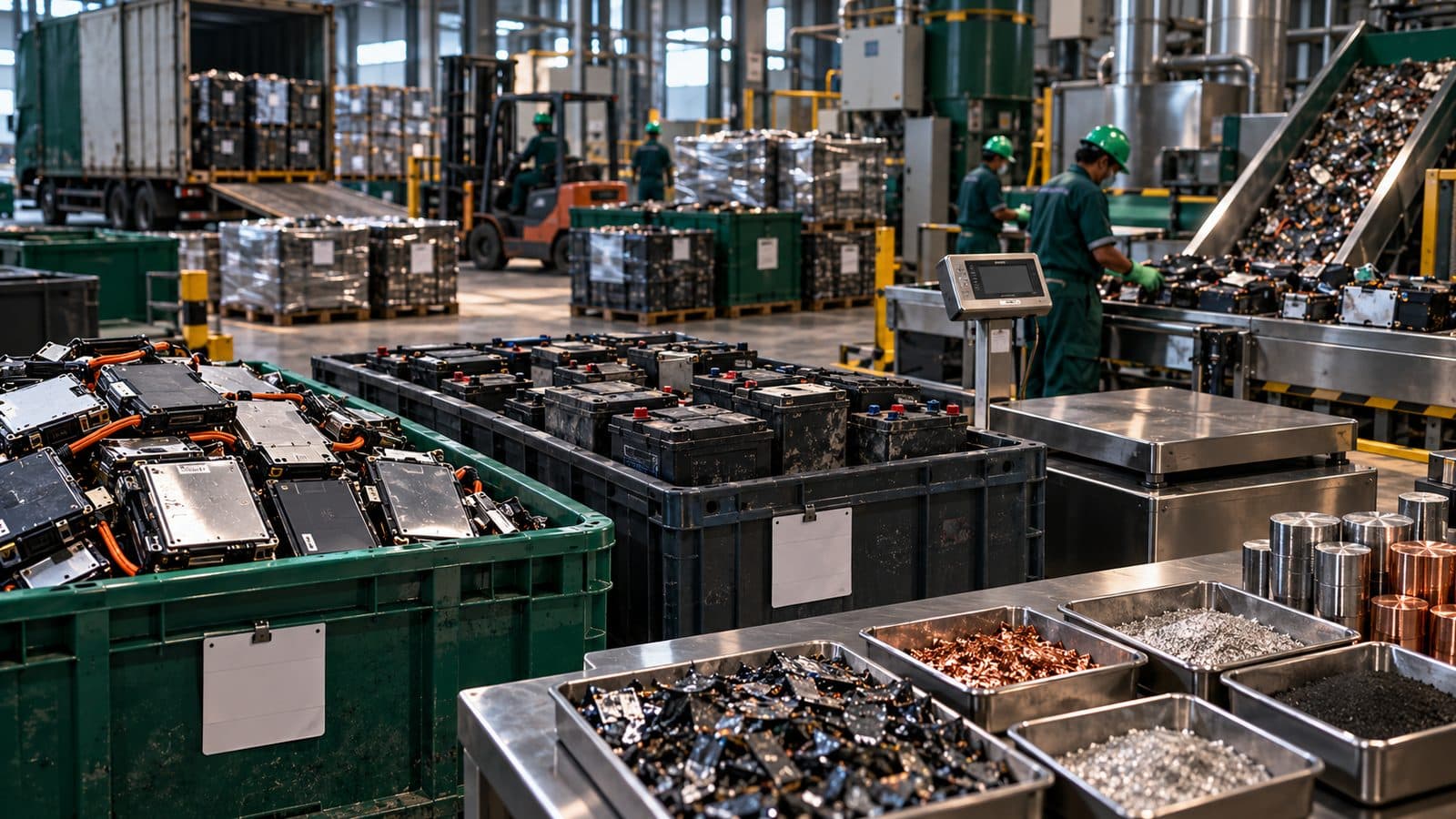
Between 1 April and 30 September 2026, India's battery rules did not receive a new Gazette amendment. The operating standard still changed sharply. A GST e-invoice cutover and two detailed CPCB guidelines connected battery-scrap collection, storage, transport, recycling, recovered-material sales and EPR certificates more tightly than before.
Editor’s PickCompliance·14 Oct 2026·9 min·E-Waste
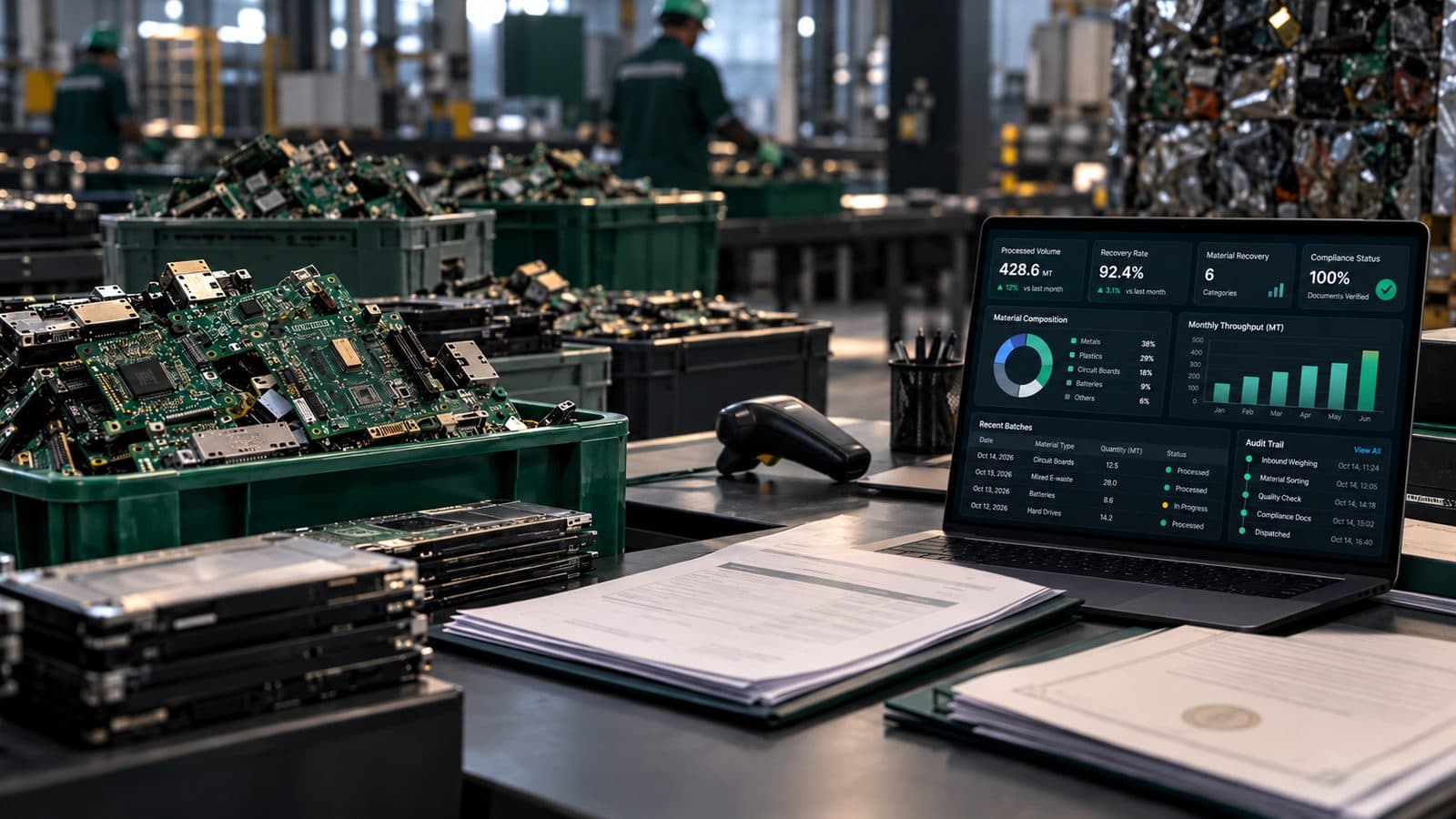
Between 1 April and 30 September 2026, India did not rewrite the E-Waste (Management) Rules. It tightened the way compliance is demonstrated. GST-linked invoice controls, certificate cut-offs, return extensions and portal discipline made one point clear for electronics brands: an EPR certificate is credible only when the commercial and material records behind it can be reconciled.
Editor’s PickGovernment·14 Oct 2026·9 min·Battery, Lithium-ion, E-Waste
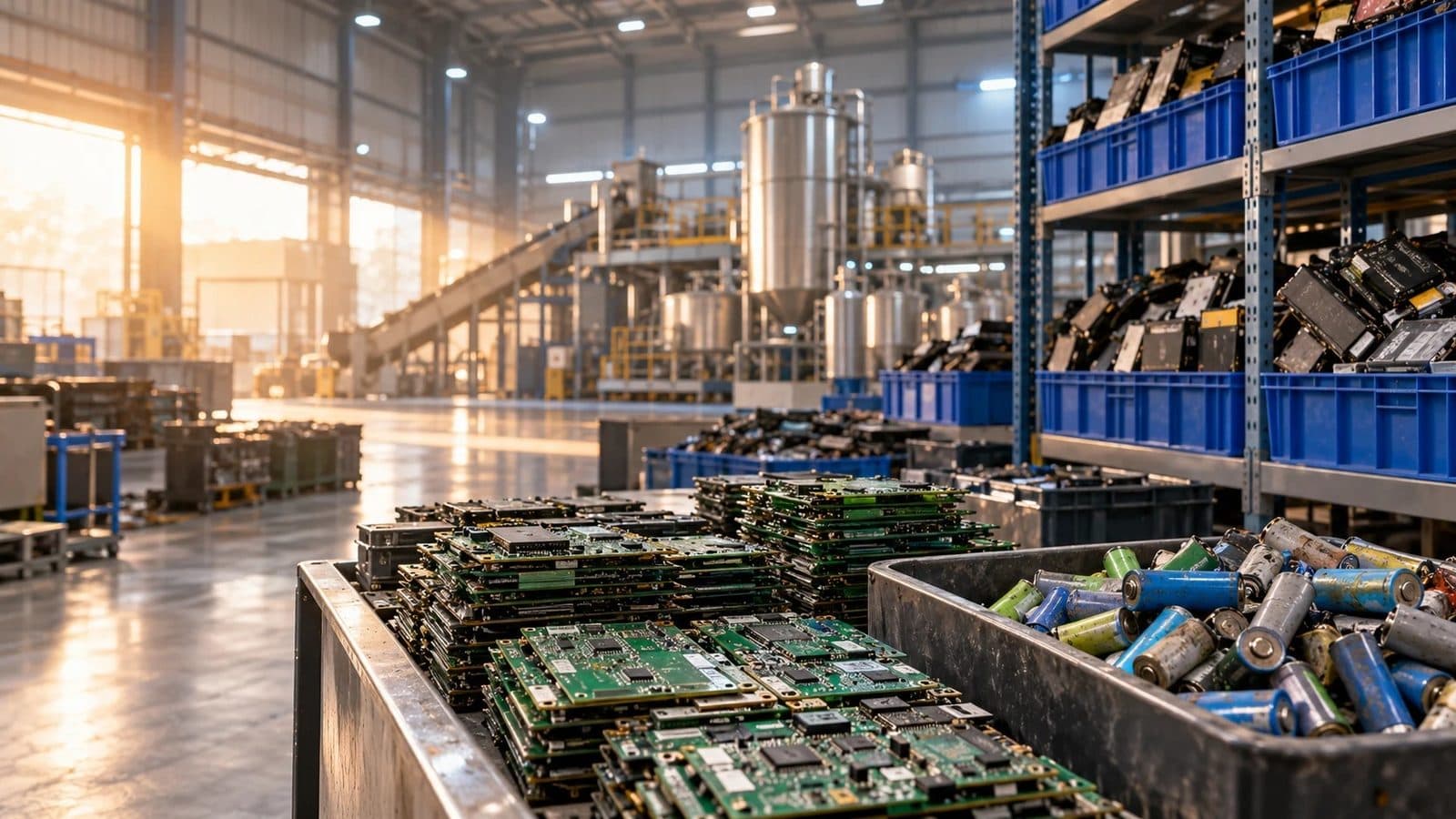
Fifty-eight companies cleared under the ₹1,500 crore critical mineral recycling scheme have pledged about 8.5 lakh tonnes a year of capacity, roughly three times what the government expected. India's registered e-waste recyclers already have more capacity than the country officially generates in e-waste. With a critical minerals stockpile policy due in about a month and lithium prices down by half since May 2026, the real contest now is over collection, and that puts aggregators and collectors in a stronger position.
Editor’s PickIndustry Trends·13 Oct 2026·10 min·Plastic
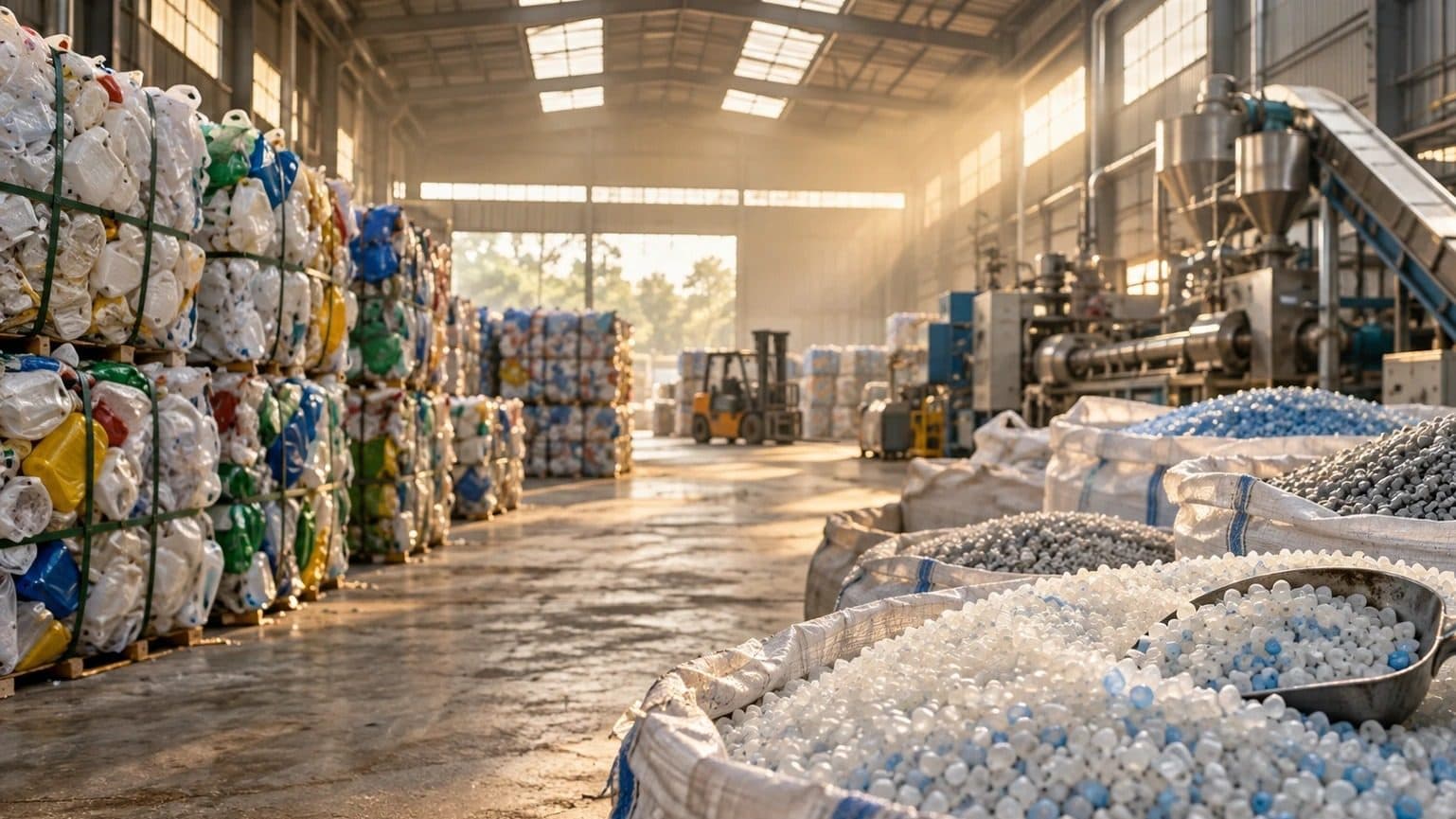
India used 16.8 million tonnes of its main plastics in 2024-25 but made only 13.4 million tonnes, and the government's own trend projection has imports rising to about a third of demand by 2030-31. New plants could narrow that gap, but one is still ramping up and the other is years away. Meanwhile the recycled-content rule for rigid packaging climbs from 40% in 2026-27 to 60% by 2028-29, and imported plastic cannot meet it. For anyone who collects, sorts or reprocesses HDPE and PP, that is a long runway of demand.
Editor’s PickGovernment·11 Oct 2026·9 min·Ferrous, Steel, Stainless Steel
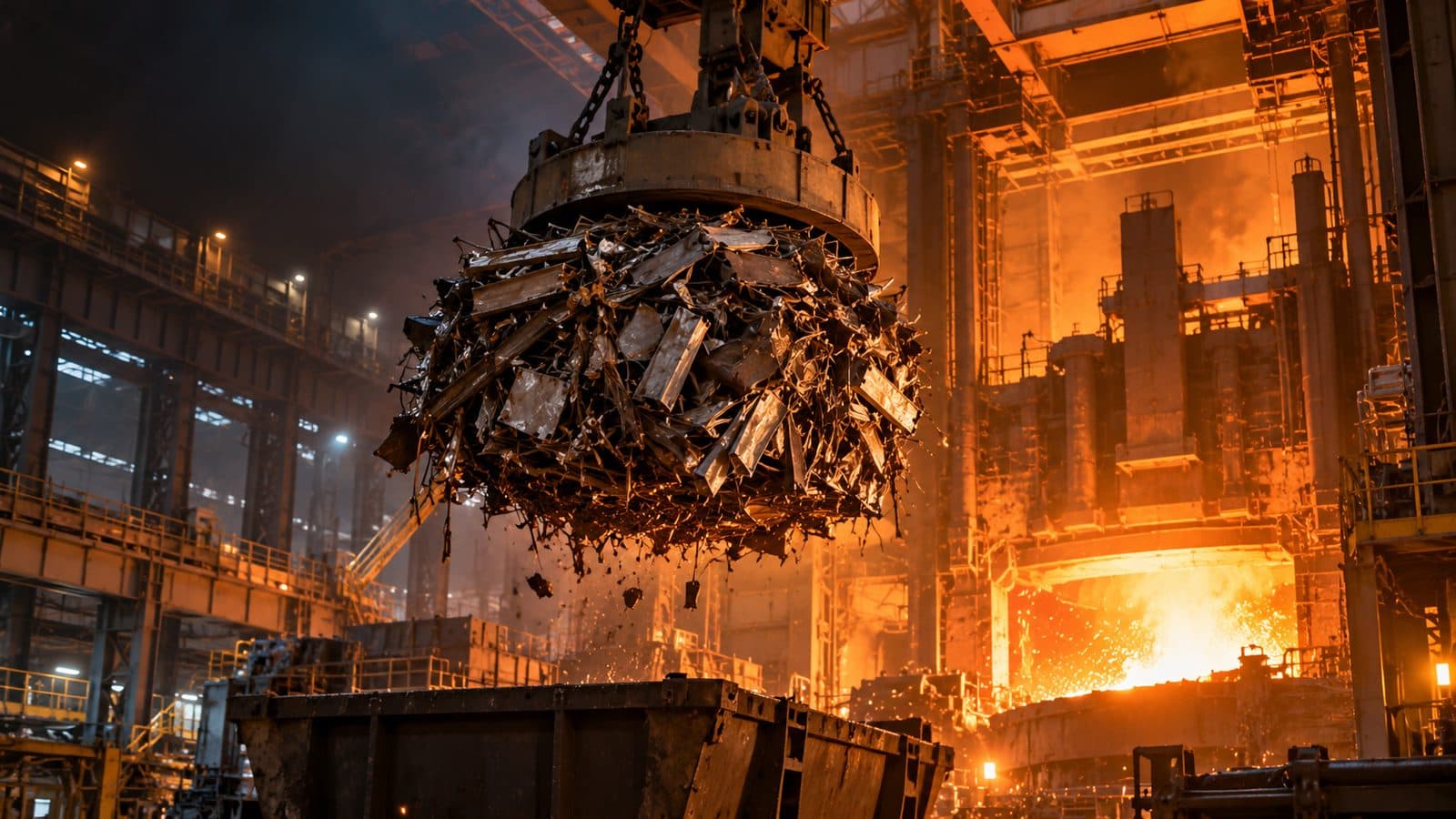
The Ministry of Steel's draft National Steel Policy: Vision 2047 projects ferrous scrap use rising from 36 million tonnes in 2025-26 to 123 million tonnes by 2047-48. Domestic collection has to do almost all the work: it must grow from 28 million tonnes to 111 million tonnes, and the draft proposes a nationwide collection drive modelled on Swachh Bharat to get there. Scrap's share of steelmaking, though, is planned to stay at about 21%. Anyone can send suggestions to the ministry until 30 October 2026.